Luna Glasses
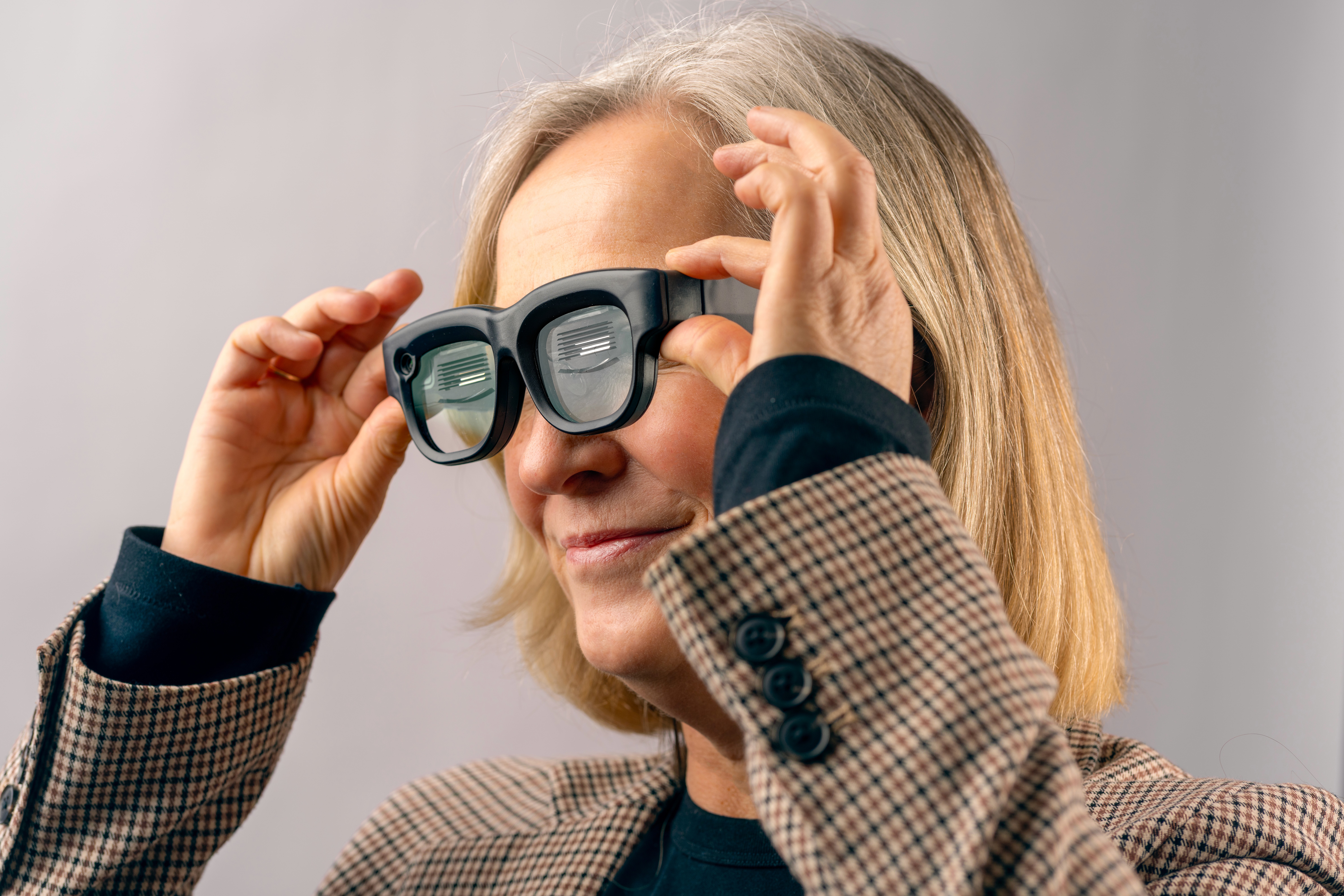
From Assistive Tech to Everyday Eyewear
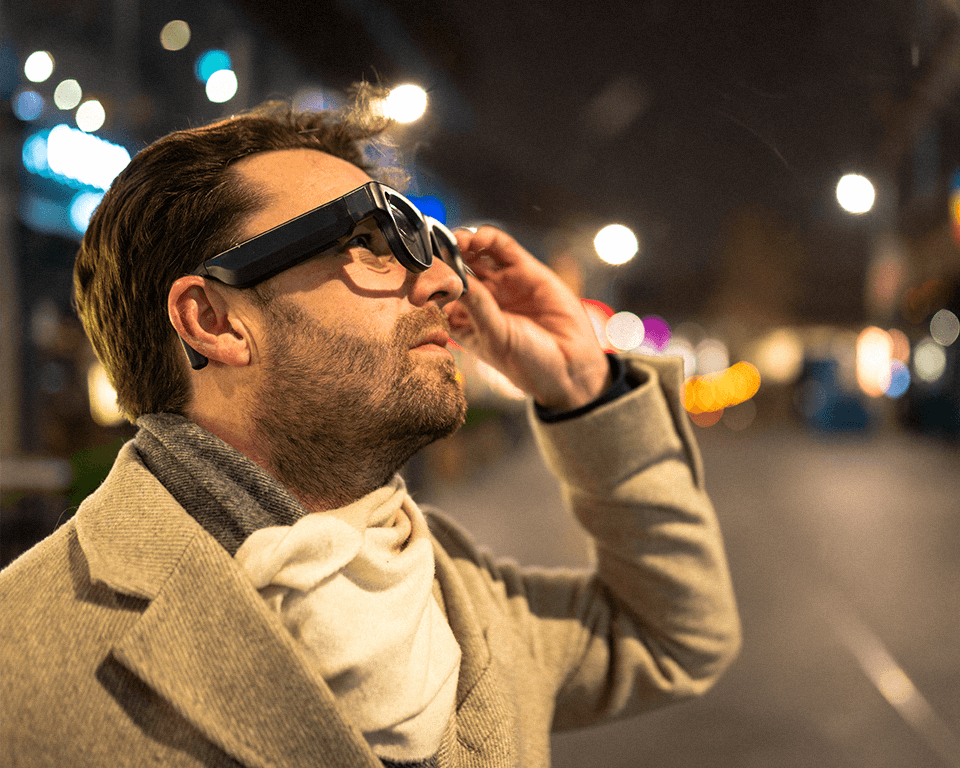
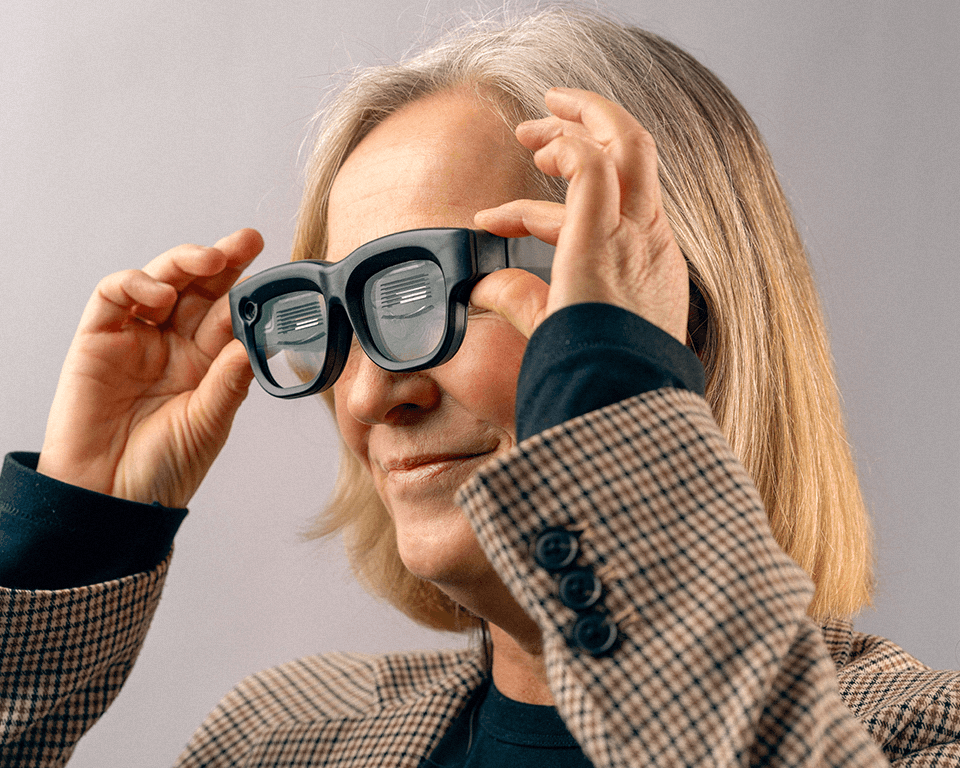
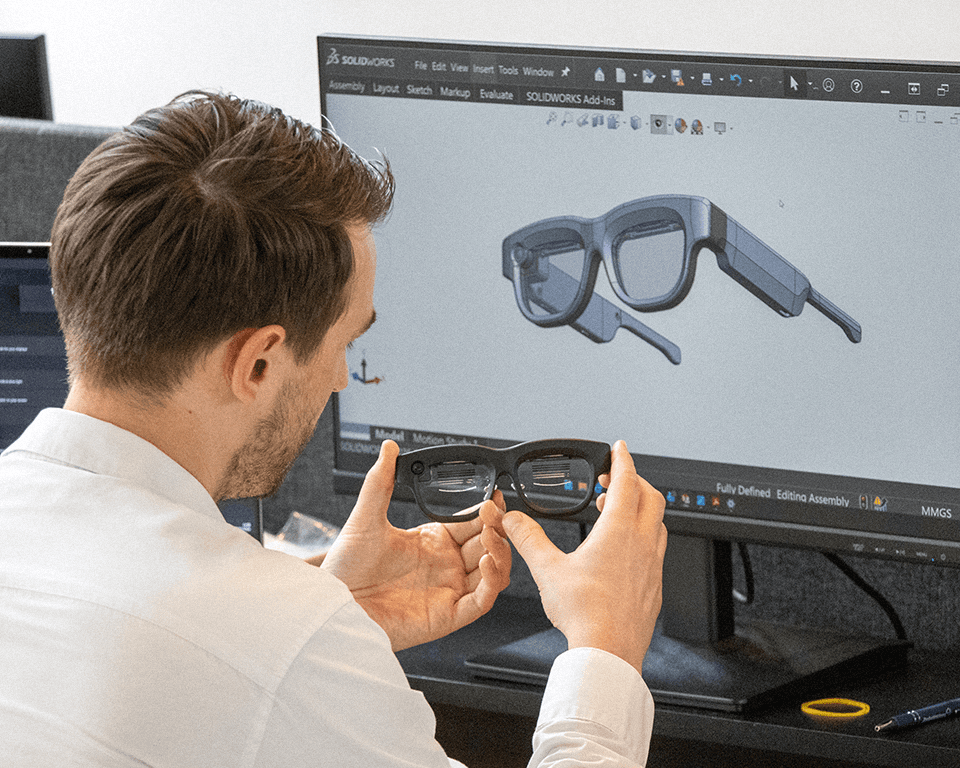
Luna set out to do something ambitious: turn assistive technology into something people actually want to wear. Not a device, not a gadget; but a pair of glasses that seamlessly support visually impaired users in navigating their surroundings, especially to help people suffering from night blindness. The challenge wasn’t just technical; it was emotional and social as well. Products in this category often signal their function too loudly, while Luna aimed for subtlety and confidence. ManGo Product Design joined to translate an early working prototype into a refined product suitable for series production; balancing performance, ergonomics and aesthetics, without compromising on any of them.
Designing Within Fixed Boundaries
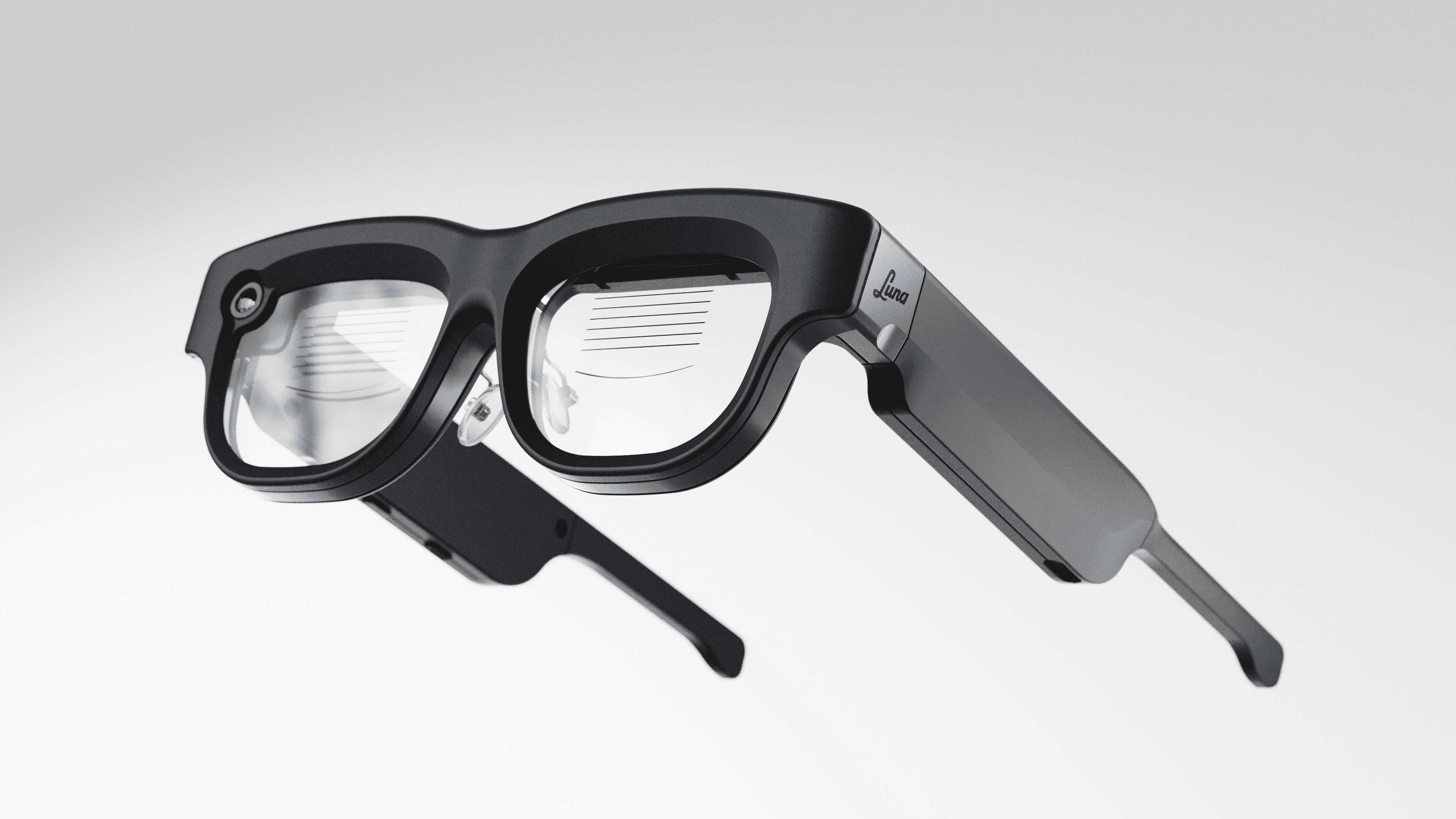
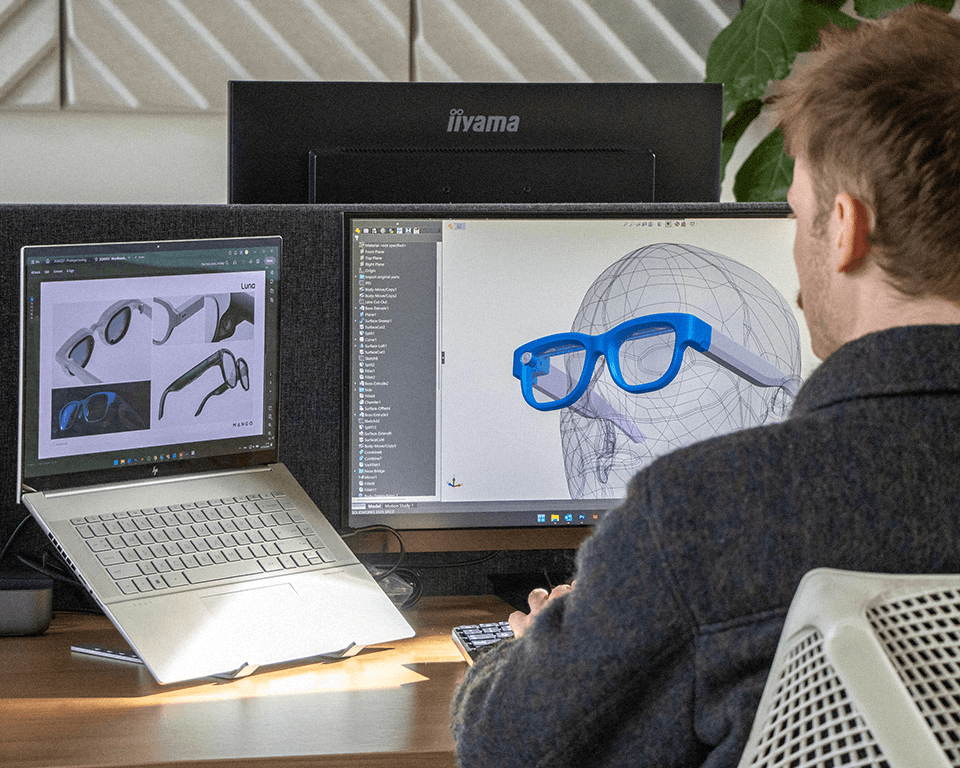
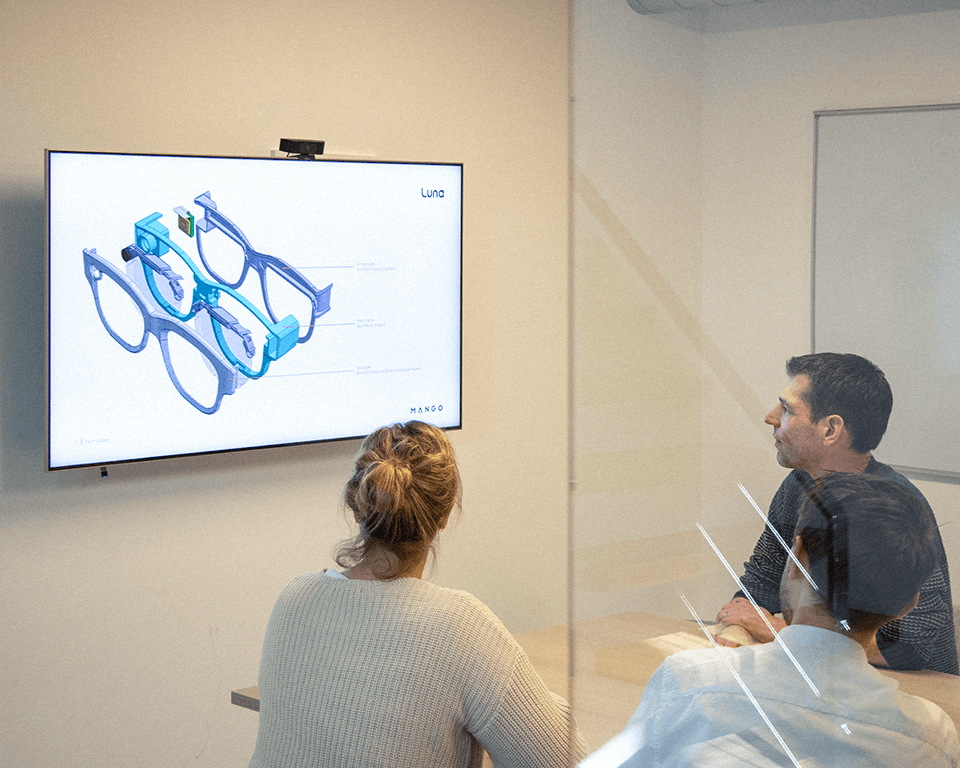
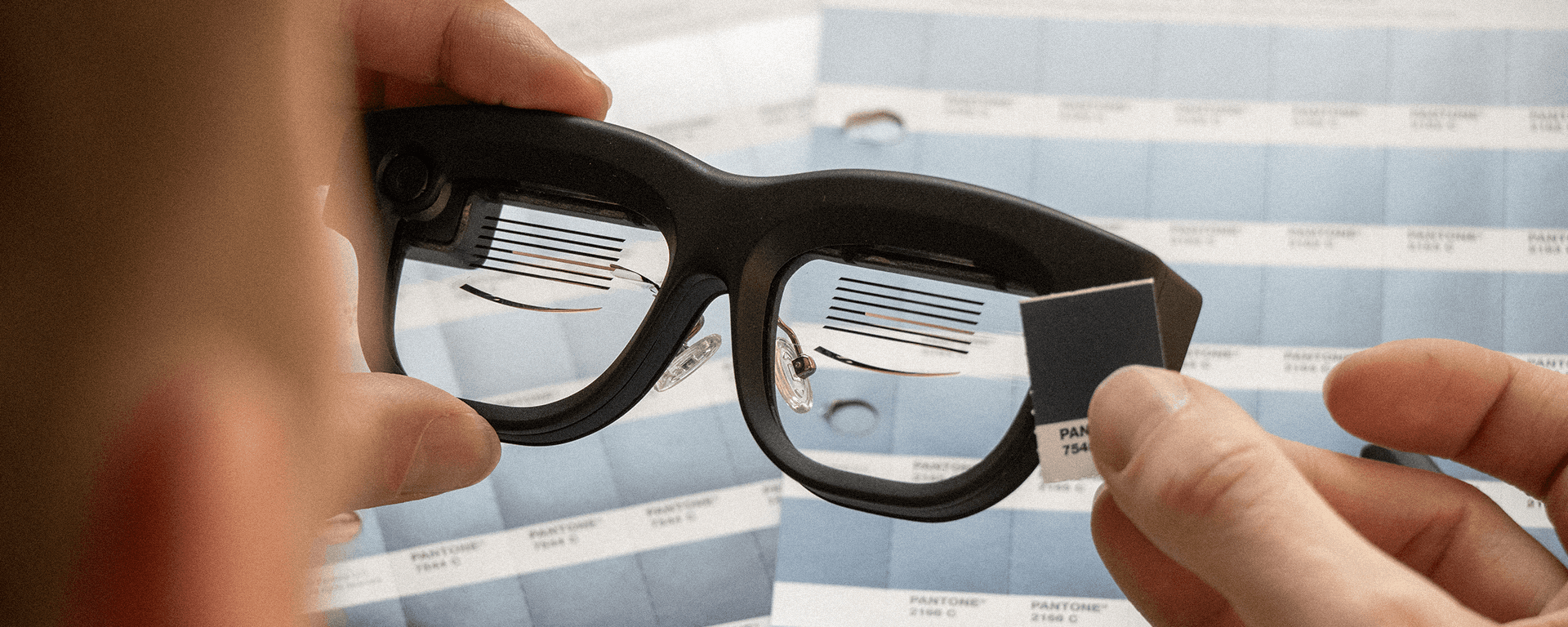
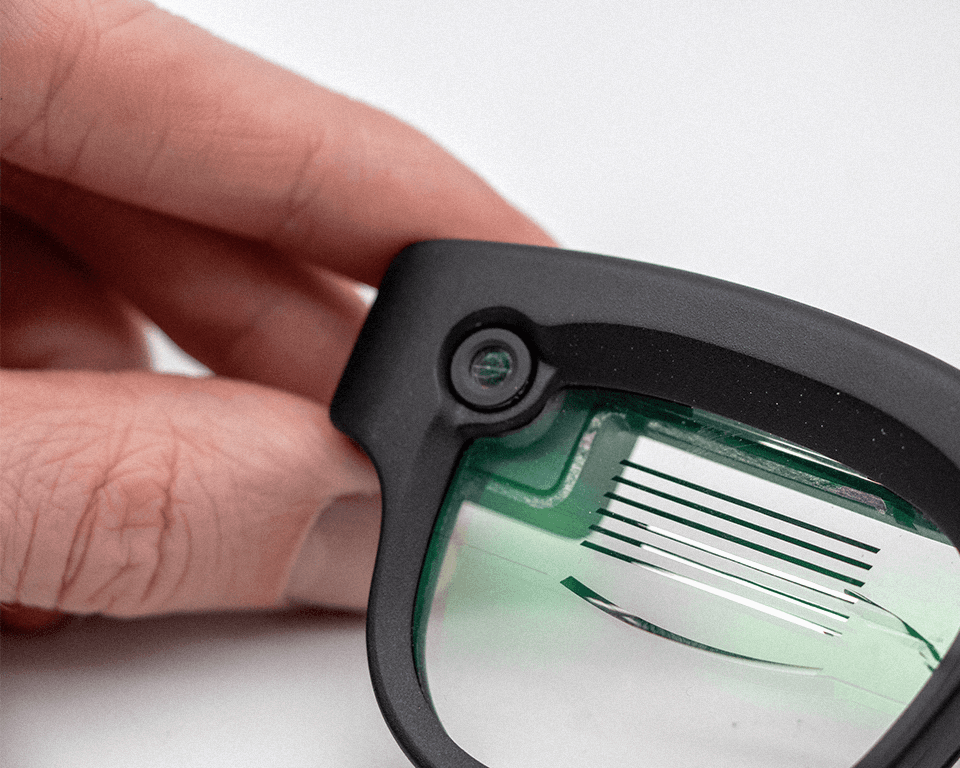
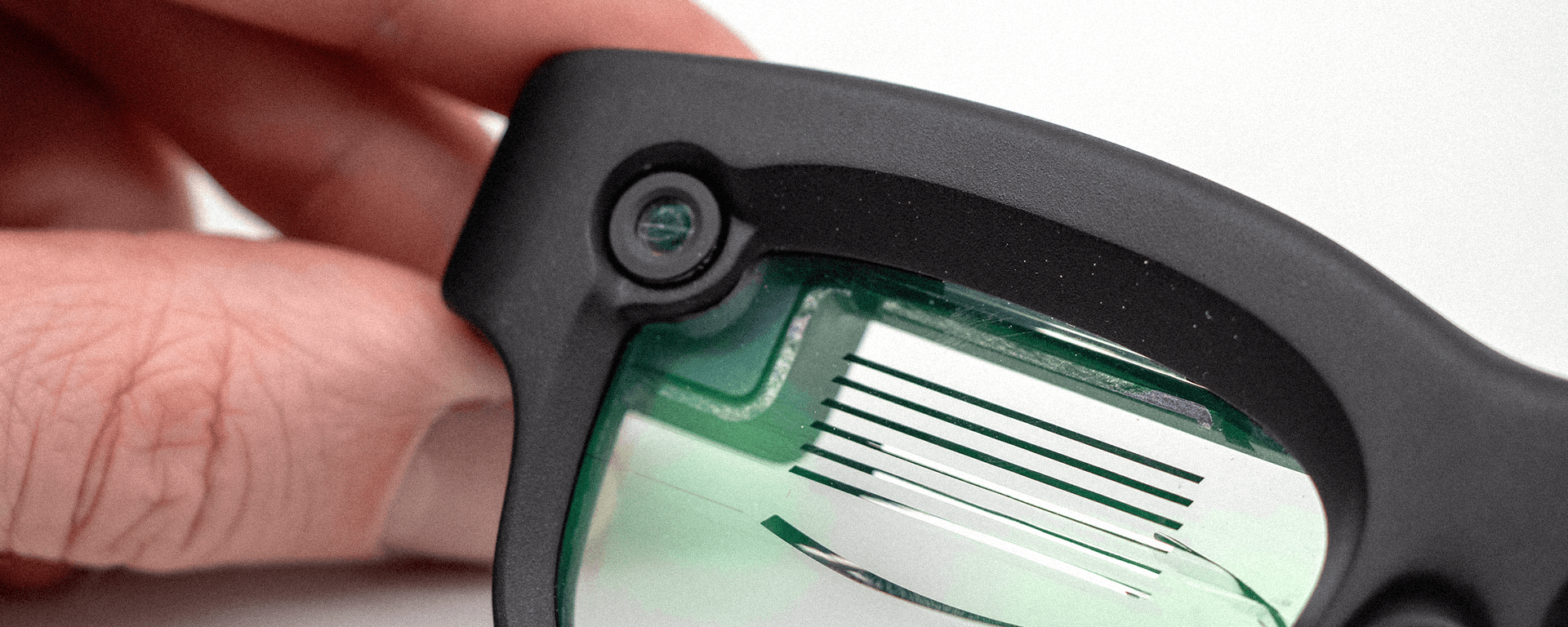
From the start, the playing field was clearly defined. Several key components; such as the lenses, camera module and sensor were already selected, and critical ergonomic dimensions were fixed. In other words: the puzzle pieces were given, but the picture still had to be painted. This required a highly integrated approach between design and engineering, where every millimetre counted. One of the key decisions was to partially overlap the camera with the lens, reducing the overall footprint while maintaining optical performance. Decisions like this allowed us to create a compact and coherent architecture, even within tight technical constraints.
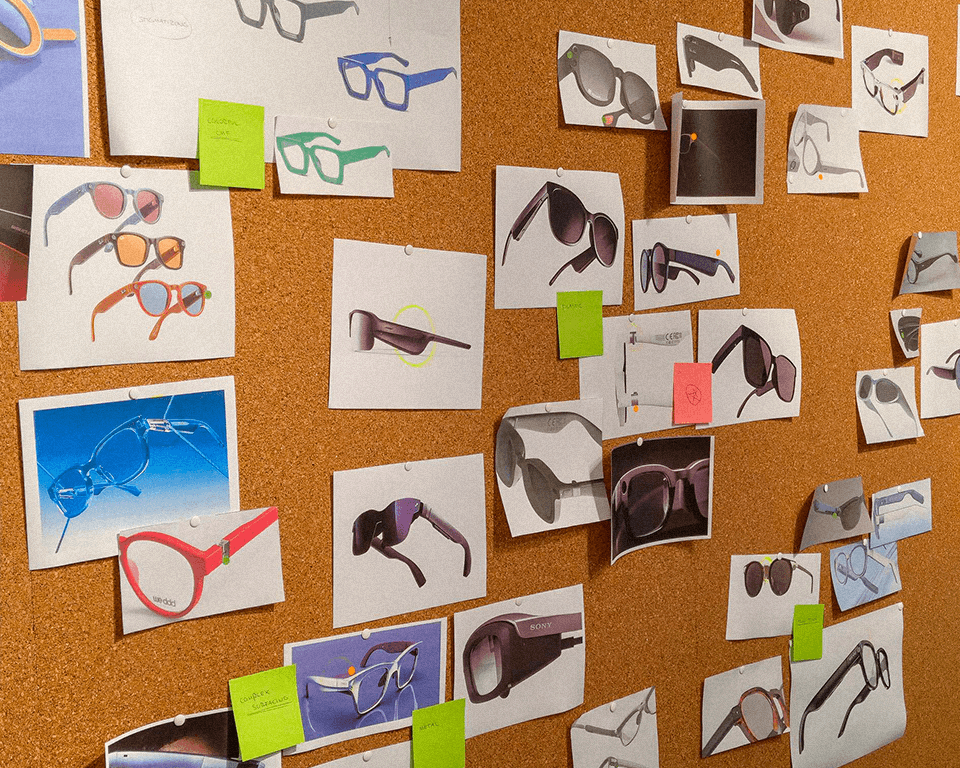
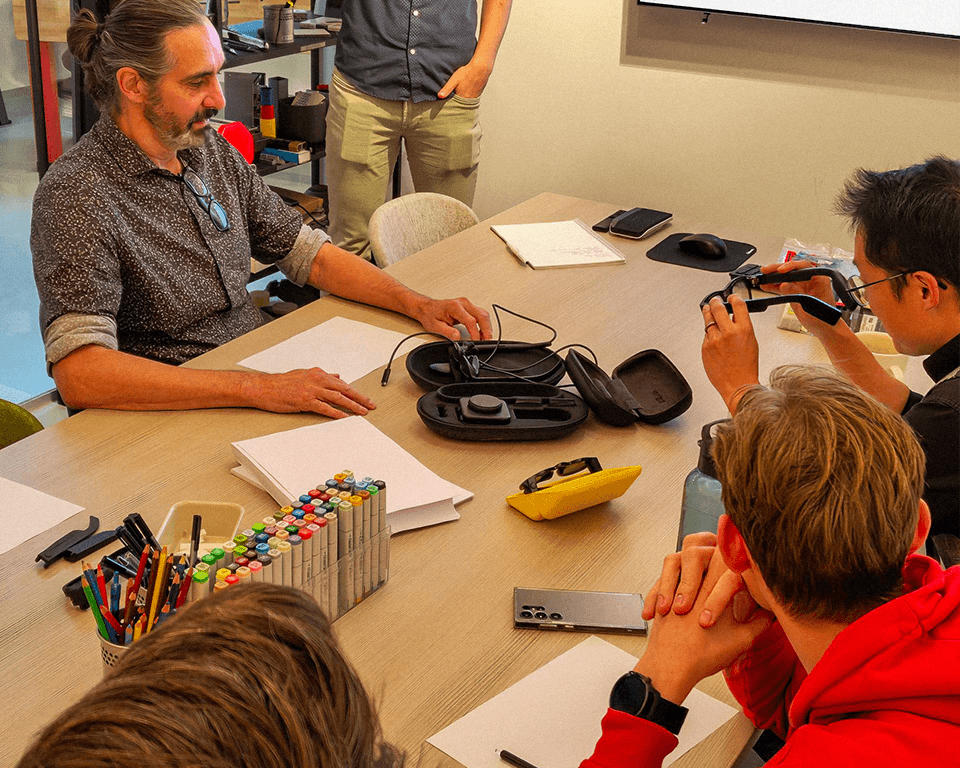
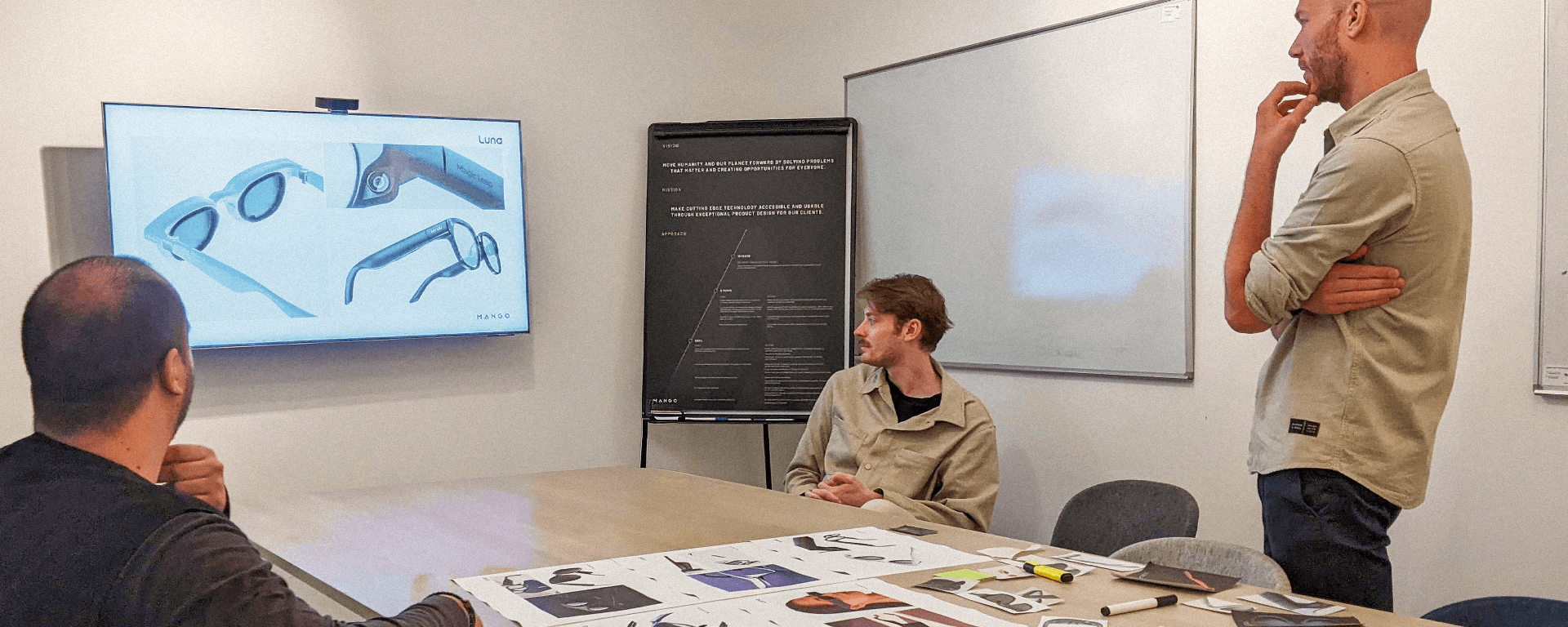
Shaping Perception Through Detail
With limited freedom in layout, the design challenge shifted from “where to place components” to “how to make them feel right.” The product needed to look lightweight and intentional, despite housing relatively bulky off-the-shelf parts. Through careful surface modelling, faceted transitions and subtle chamfers, ManGo shaped a design language that visually reduces volume and adds refinement. Small details like controlled edge breaks and defined surface transitions play a big role here. The result is a frame that feels contemporary and wearable, rather than technical or medical. Because if it looks like a gadget or stigmatizing, it will be treated as such.
Engineering for Assembly and Production
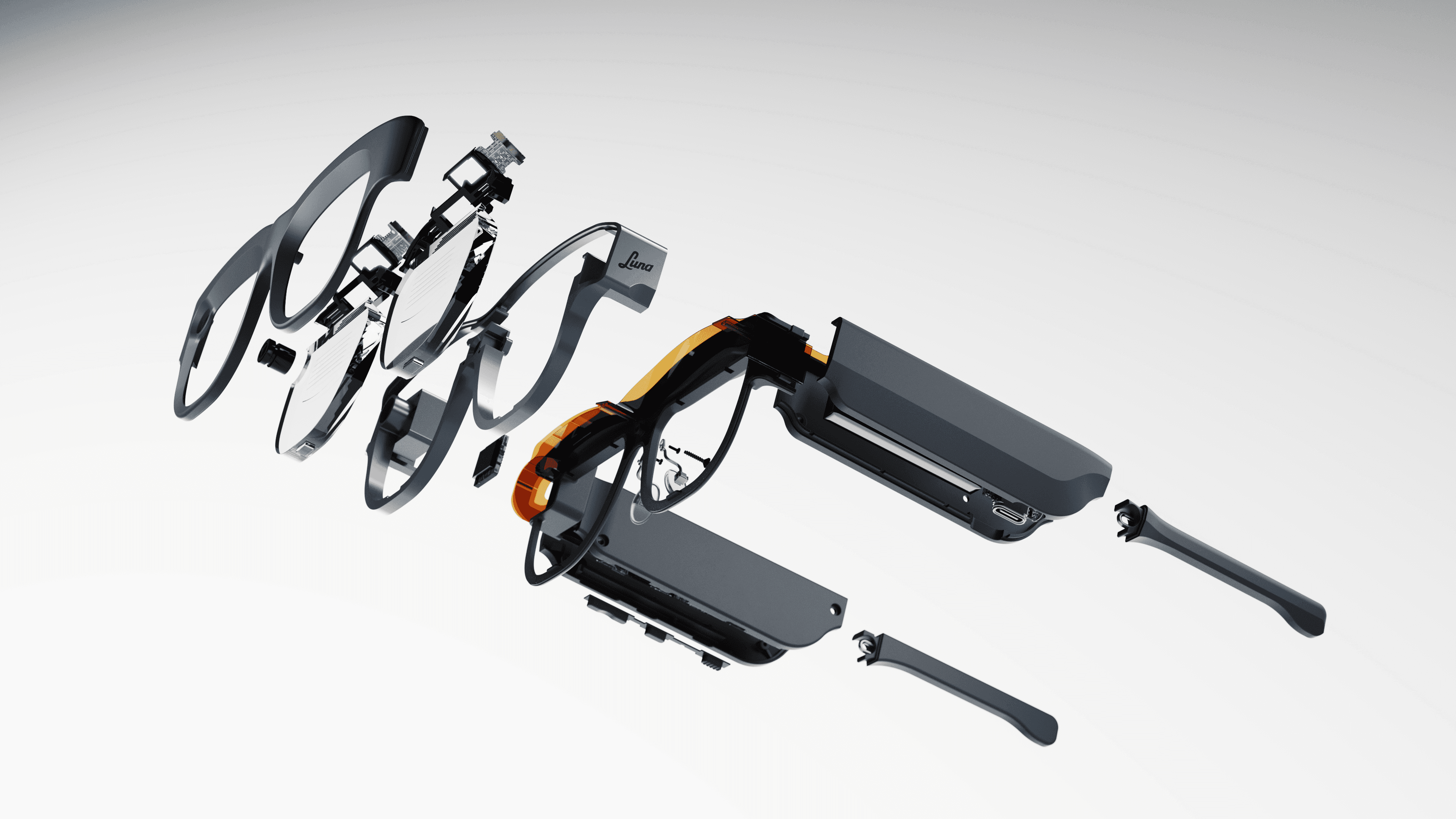
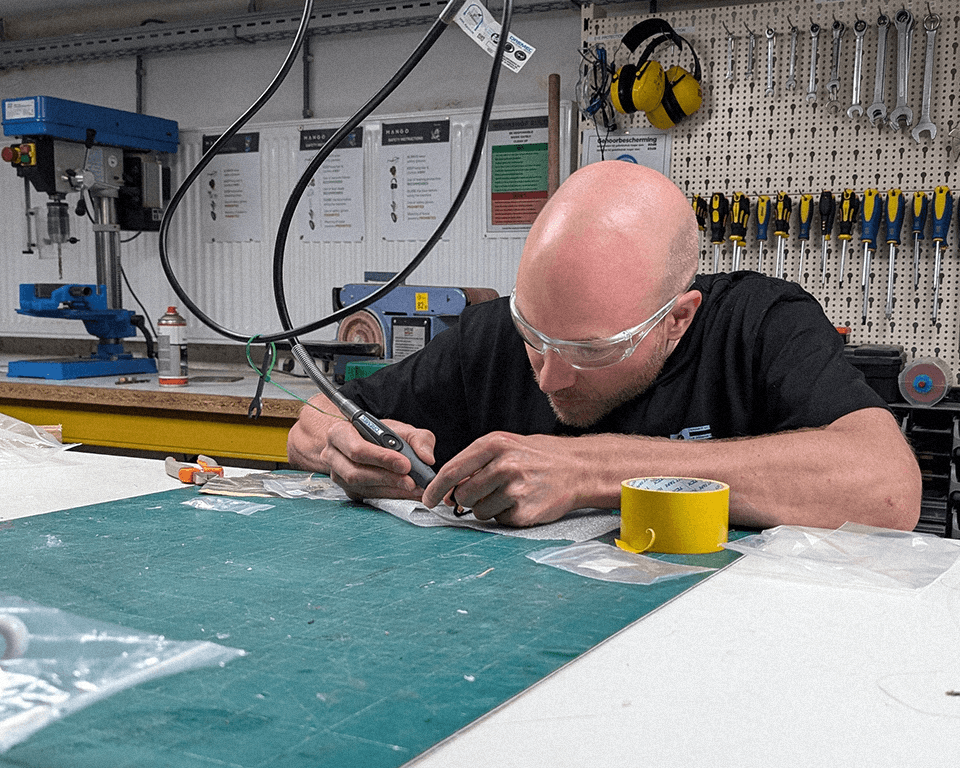
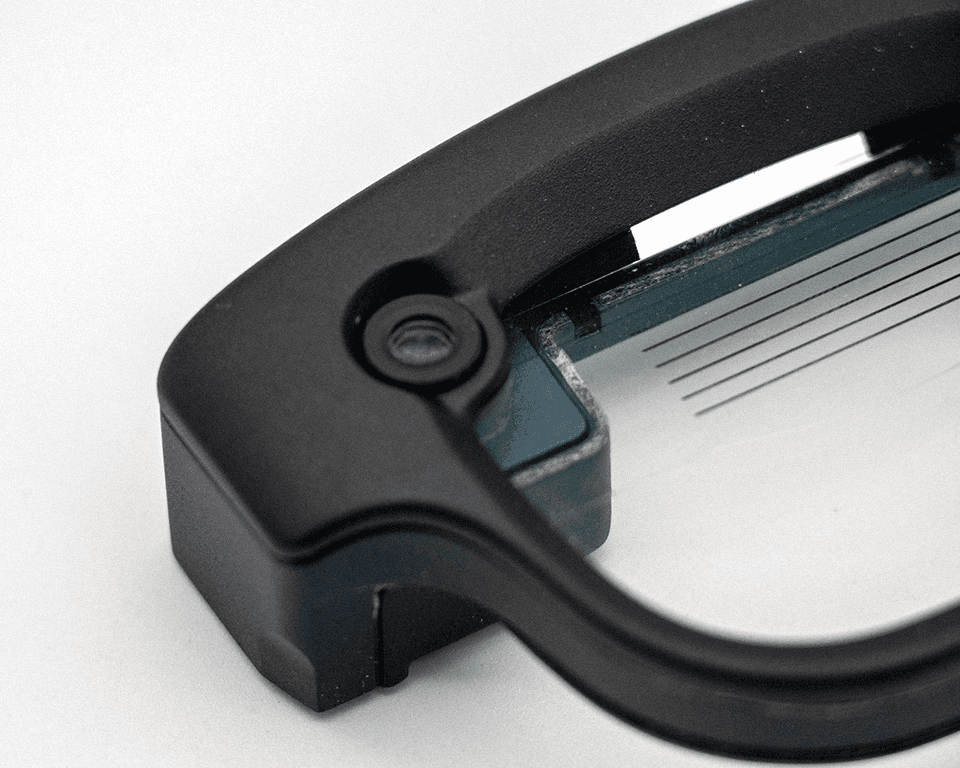
Once the design direction was set, the focus shifted to making it real: manufacturable, easy to assemble and robust enough for everyday use. The product integrates a wide range of sensitive components from optics to a battery and multiple flex-PCBs; each requiring its own assembly logic and precision. Aligning these into a coherent build without complex or fragile assembly steps was a key challenge. By introducing an aluminium core, we created a structural backbone that not only enhances perceived quality but also simplifies the assembly process. Most components are mounted onto this frame, while the outer plastic parts primarily handle IP sealing and the CMF finish . The result is a product architecture that supports efficient assembly and is ready for series production, without relying on behind the scene assembly gymnastics.