FMEA in product design

FMEA (Failure Mode and Effects Analysis) in product design is a structured method to identify how a product could fail, understand the consequences and decide which risks should be reduced through better design. Used at the right moments in product development, an FMEA can improve safety and reliability, prevent expensive redesigns and provide important input for verification and certification.
Product development naturally asks: How do we make this work? FMEA adds another question: How could this go wrong? It sounds pessimistic. In practice, it is one of the more constructive questions you can ask during product development. Discovering during a design session that a user could position a sensor incorrectly is useful. Discovering it after thousands of products have been manufactured is considerably less useful.
FMEA stands for Failure Mode and Effects Analysis. It is a systematic method, also known as Design FMEA (DFMEA) when applied to products, for investigating potential failures in a product, system or process before they become real-world problems. The development team considers important product functions and asks what could fail, why it could fail, what the consequences would be and how serious and likely those consequences are. Then comes the important part: what can we change to reduce the risk?
Imagine a connected product that takes a measurement. What if the user positions the sensor incorrectly? What if the signal quality is poor? What if the measurement is correct but data becomes corrupted during transmission? Or the software crashes before the result is stored? Nothing needs to catch fire for a product to fail. An FMEA gives these scenarios a structured place in product development rather than leaving them until somebody asks, three weeks before production: “Has anyone thought about what happens if...?”

A prototype can perform its main function perfectly and still contain significant risks. Products are dropped, cleaned, charged, transported, connected incorrectly and used by people who have never attended a project meeting. Real life is remarkably creative. FMEA brings some of that reality into the development process while there is still time to change the product.
For example, in a recent ManGo project developing a connected medical device for home use, we analysed what could happen when users perform clinical measurements themselves. One seemingly simple risk was incorrect positioning during a measurement. The device might still produce a plausible-looking result, which could subsequently be used to make a clinical decision.
Once identified, that scenario creates much better design questions. Can the product geometry encourage correct positioning? Can sensors detect movement? Can software determine whether signal quality is sufficient? Should a questionable measurement be rejected? Can the interface guide the user more clearly? Suddenly, a row in a risk analysis has become input for industrial design, electronics, software and UX. That is where FMEA becomes valuable: risks become design requirements.

Ideally early in development, before the design is fixed. An FMEA performed when tooling has been ordered and every component has been specified can still identify problems. Your freedom to solve them elegantly, however, has largely disappeared. A first analysis can be performed once the product's intended use, users, important functions and basic architecture are sufficiently understood. At this stage, the objective is to identify significant risks while concepts are still flexible.
As development progresses, the analysis should evolve. Prototypes expose new information. Components are selected. Software and electronics mature. User tests reveal unexpected behaviour. Manufacturing processes become clearer. Design changes can eliminate risks, but they can also introduce new ones.
Consider wireless charging. Removing an exposed charging connector can improve cleanability and eliminate certain electrical or mechanical concerns. But wireless charging introduces different questions. What happens if a metallic object is accidentally placed between the charger and product? Could it heat up? How is that detected? Solving one problem can create another. For that reason, an FMEA should be a living activity, revisited at important design milestones rather than completed once and forgotten.
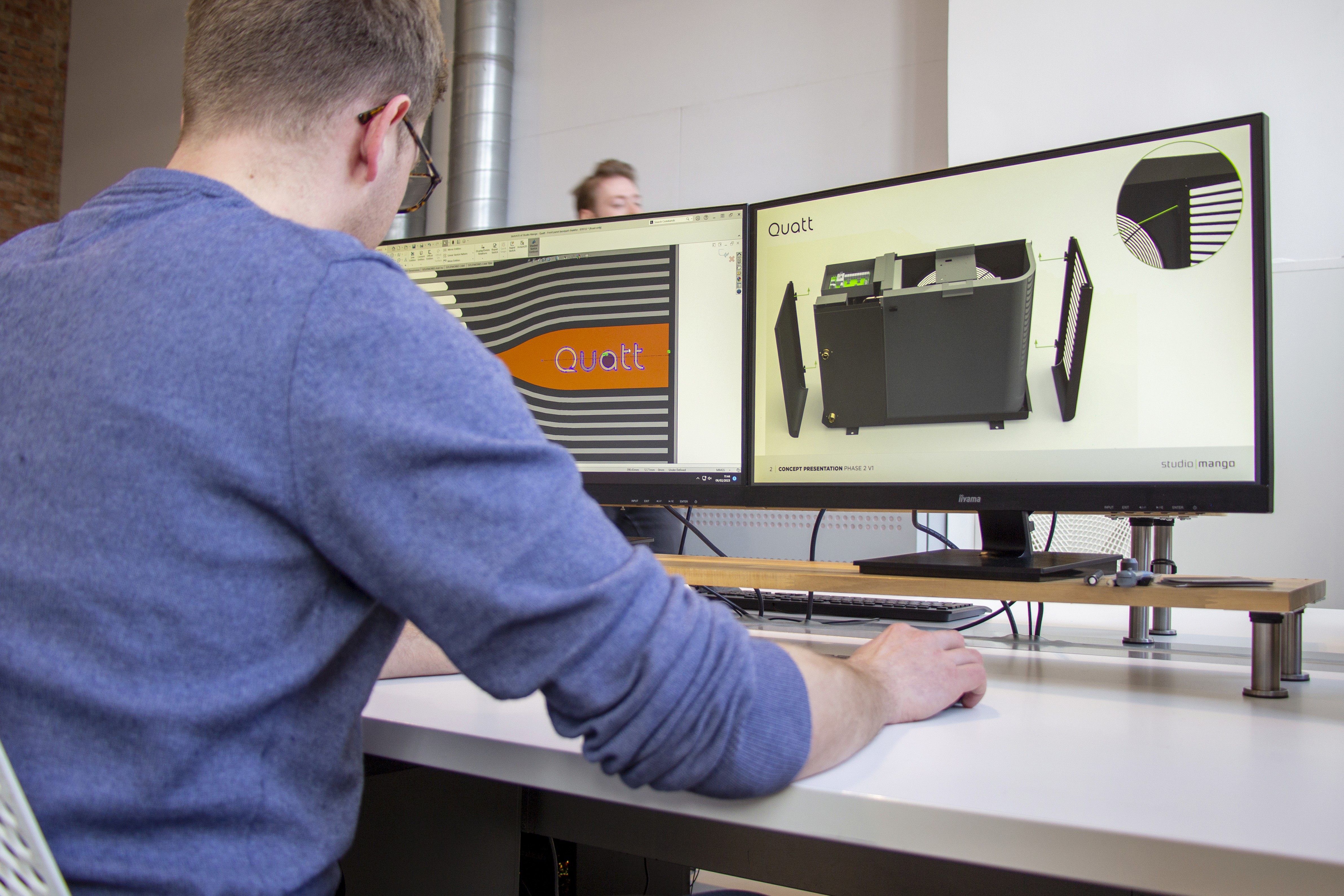
A useful FMEA starts with understanding the product, not with opening Excel. Requirements, intended use, product architecture, prototypes, research, applicable standards, previous products and test results can all provide input.
Equally important is gathering people with different expertise and backgrounds. Industrial designers notice different risks from electronics engineers. Mechanical engineers see different problems from software developers. Manufacturing, usability and quality specialists bring other perspectives. For medical products, clinical and regulatory expertise is also essential.
At ManGo, our Design FMEA (DFMEA) structure links product functions and parts with potential errors, their effects and possible causes. Severity and occurrence are evaluated, measures are proposed and assigned, and risks are reassessed after measures have been implemented. The objective isn't to create the world's largest spreadsheet. It is to uncover the scenarios that matter and translate them into action.
This is where an FMEA either becomes valuable or becomes paperwork. Take poor measurement quality. Movement or incorrect positioning could result in an unreliable signal. One approach would be to simply display the resulting value and tell users to follow the instructions carefully. A stronger solution may combine physical positioning features, motion detection and software that evaluates signal quality. If the measurement does not meet predefined conditions, the product can reject it and ask the user to try again. Sometimes the safest measurement is the one the product refuses to give you.
Another example is cleaning. For a reusable product, risk analysis may identify insufficient cleaning, aggressive cleaning chemicals, fluid ingress or reuse of an accessory intended for single use. These findings can influence materials, surface design, ingress protection, disposable versus reusable components, user prompts and cleaning instructions. A good FMEA therefore influences the product at many levels: geometry, materials, components, electronics, software, user interaction, manufacturing and testing.
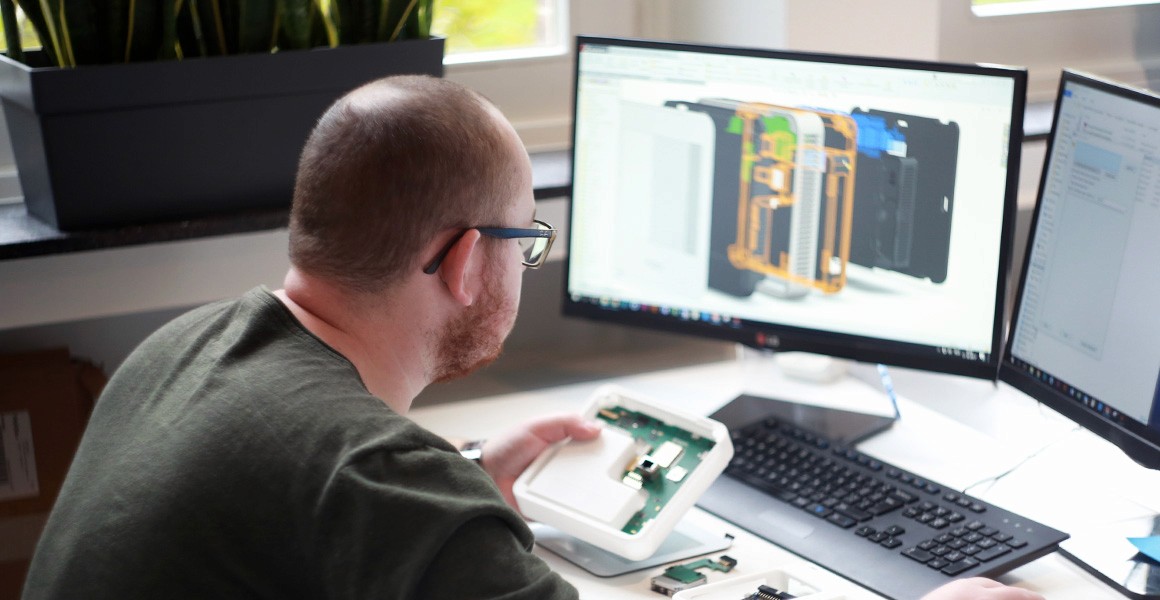
Good documentation preserves the reasoning behind design decisions. An FMEA should make it possible to understand what was analysed, which potential failures were identified, their consequences and causes, how risks were evaluated, which measures were proposed and what the resulting risk was after implementation. Our Design FMEA also records responsibility, participants, document version and change history.
This traceability becomes particularly important in complex or regulated development. A risk can generate a risk-control measure. That measure becomes a product requirement. The requirement leads to a design solution. And that solution may require verification. Months later, if a component, material, algorithm or supplier changes, the team can understand why the original decision was made and which risks might need to be reconsidered.
FMEA can provide important evidence that product risks have been considered systematically, especially where safety standards, quality systems or regulatory requirements apply. However, an FMEA does not certify a product by itself. Depending on the product and market, certification may involve electrical and mechanical safety, EMC, usability, software, cybersecurity, biocompatibility or other requirements. Risk analysis helps connect those requirements to the actual design.
For example, if electromagnetic interference could cause an incorrect measurement, the outcome should not simply be “perform EMC testing”. It can influence PCB design, filtering, shielding and signal-quality detection before the eventual verification tests take place. Identifying these issues during development makes certification considerably less adventurous.
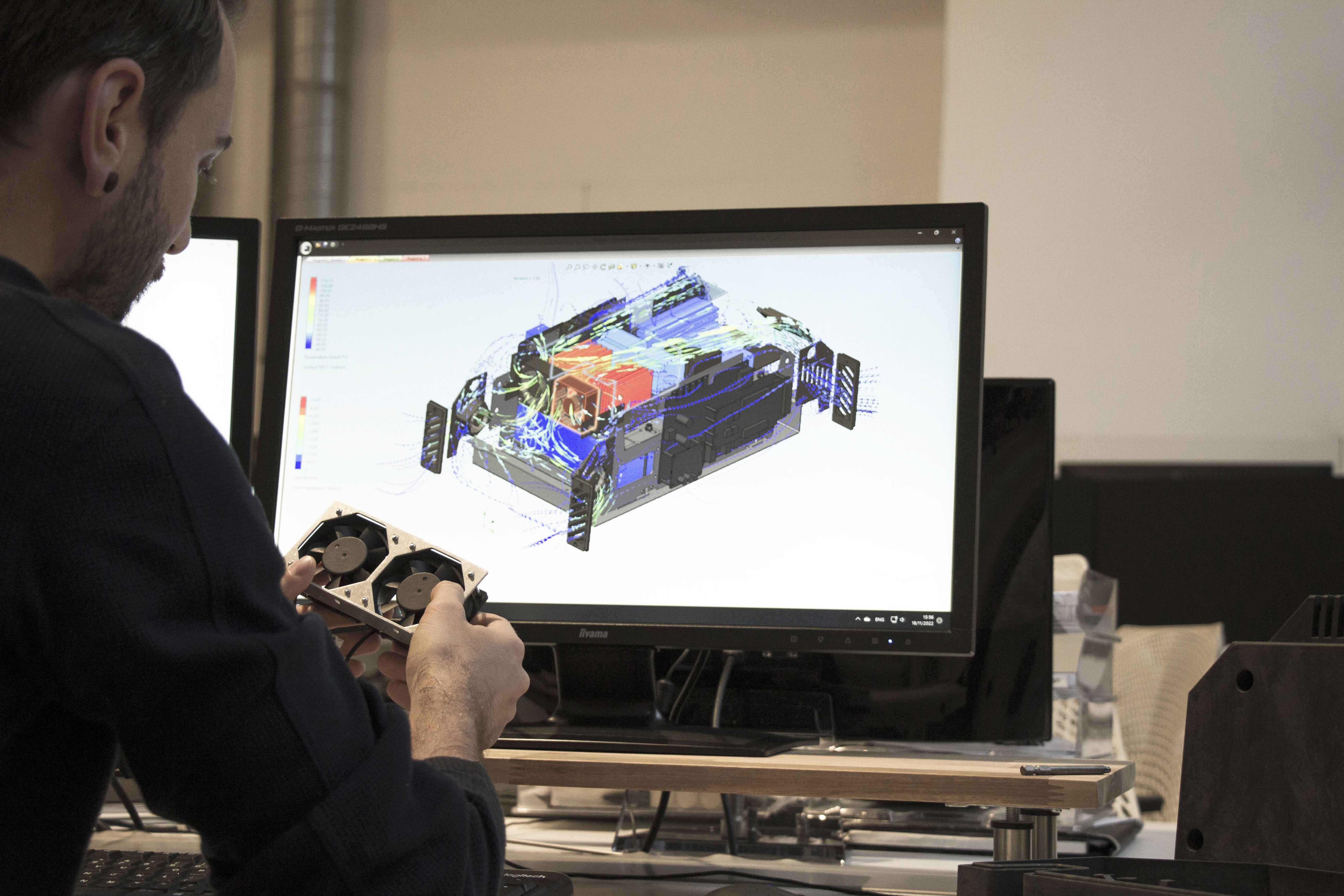
For medical devices, an important distinction needs to be made: an FMEA is not the same as ISO 14971 risk management. ISO 14971, the international standard for risk management of medical devices, establishes a broader lifecycle process for identifying hazards and hazardous situations, estimating and evaluating risks, controlling them and monitoring the effectiveness of the controls. The process continues into production and post-production.
The thinking also becomes more explicit. Rather than simply saying “sensor failure = dangerous”, medical risk analysis considers the chain between a hazard, foreseeable sequence of events, hazardous situation and potential harm. ISO 14971 requires hazards and hazardous situations to be considered in normal and fault conditions and also takes reasonably foreseeable misuse into account. For example:
Incorrect positioning → unreliable measurement → incorrect value accepted → incorrect clinical decision → potential harm
Understanding that chain helps the development team determine where it can most effectively be broken.
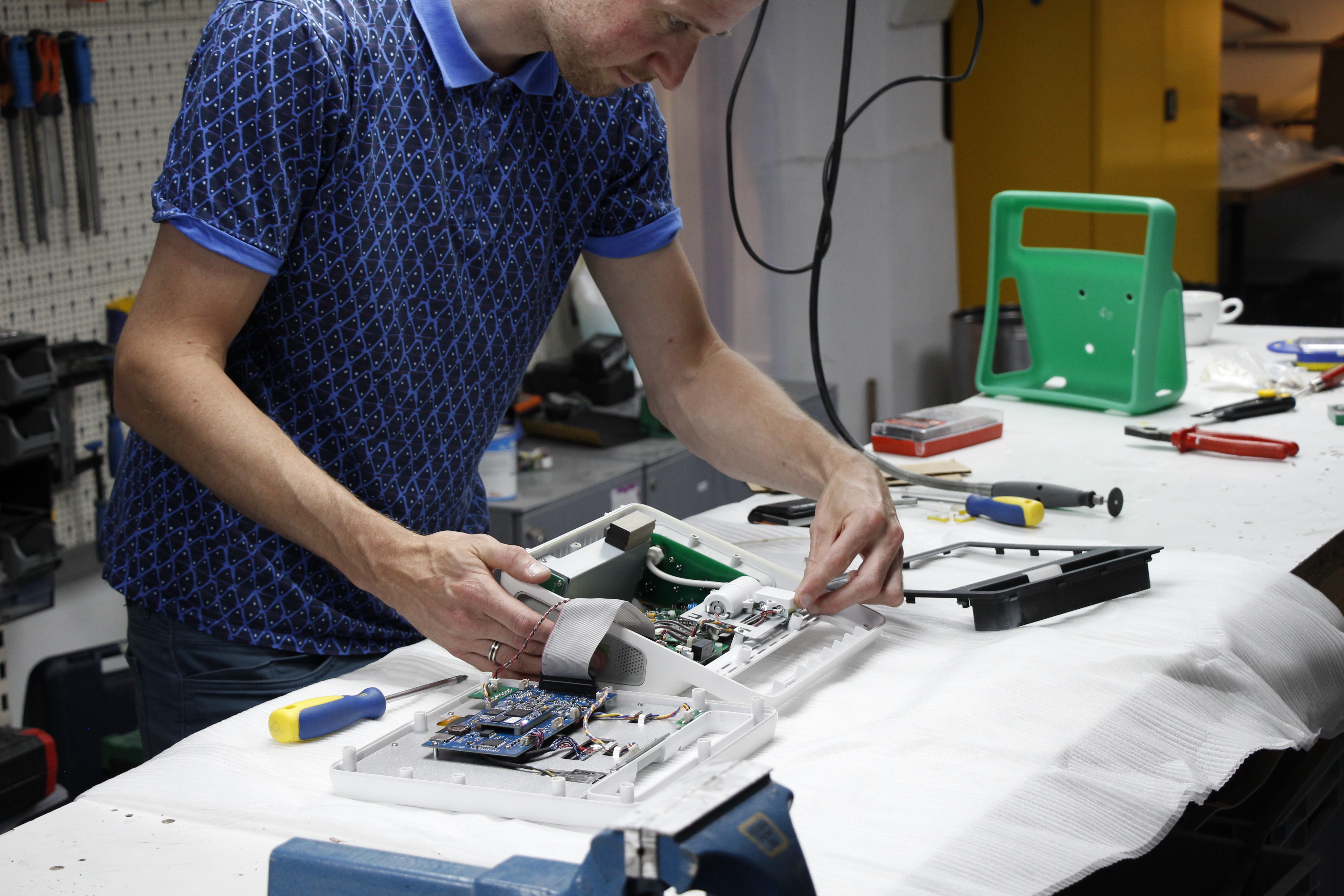
One of the most relevant principles of ISO 14971 for product designers is its priority order for risk control. The first preference is inherently safe design and manufacture. Next come protective measures in the product or manufacturing process. Information for safety and user training come after those options.
Imagine a component that can accidentally be inserted incorrectly. You could add a warning to the manual. Better might be software that detects the incorrect connection. Better still may be designing the physical interface so that it cannot be connected incorrectly in the first place.
ISO 14971 explains why this matters: inherent design characteristics are likely to remain effective, whereas protective measures can fail or be bypassed and safety information might not be followed. In simpler terms: if you can design the problem out, don't start with a warning label.

Because you verify it. ISO 14971 makes an important distinction between verifying that a risk-control measure was actually implemented and verifying that it is effective. Suppose an on-screen guide is introduced to prevent incorrect positioning. A software review can demonstrate that the guide exists. It does not demonstrate that users understand it. That may require usability testing with representative users.
Likewise, a stronger enclosure needs mechanical testing, a signal-quality algorithm needs testing with relevant signals and an electrical protection mechanism needs to be tested under appropriate conditions. This is how risk analysis connects directly with prototyping, verification and validation.
Definitely not. FMEA is valuable for any product. Medical devices have a particularly rigorous regulatory framework, but FMEA thinking is valuable across consumer products, connected devices, industrial equipment and many other product categories. Batteries can overheat. Mechanisms wear. Products get wet. Software crashes. Users find creative ways to interact with things.
Even without extensive regulatory requirements, identifying these scenarios early can improve safety, reliability and user experience, and ultimately reduce warranty issues and expensive redesigns. You don't need to be developing a medical device before asking what could go wrong becomes a very good investment.
At ManGo Product Design, we integrate FMEA and risk analysis into the wider product development process rather than treating them as documentation exercises performed afterwards. We can prepare and facilitate the analysis, bring together the relevant disciplines, structure and document the risks and translate the outcomes into practical design and engineering requirements.
More importantly, we can then design and engineer the solutions. A positioning risk can become better geometry. A cleaning risk can influence materials and enclosure design. An electrical risk can change the architecture. A use error can become a better interaction. And those solutions can subsequently be prototyped, tested and verified. For medical-device development, ManGo can support an ISO 14971-based risk-management process and connect it with industrial design, engineering, usability and verification activities.
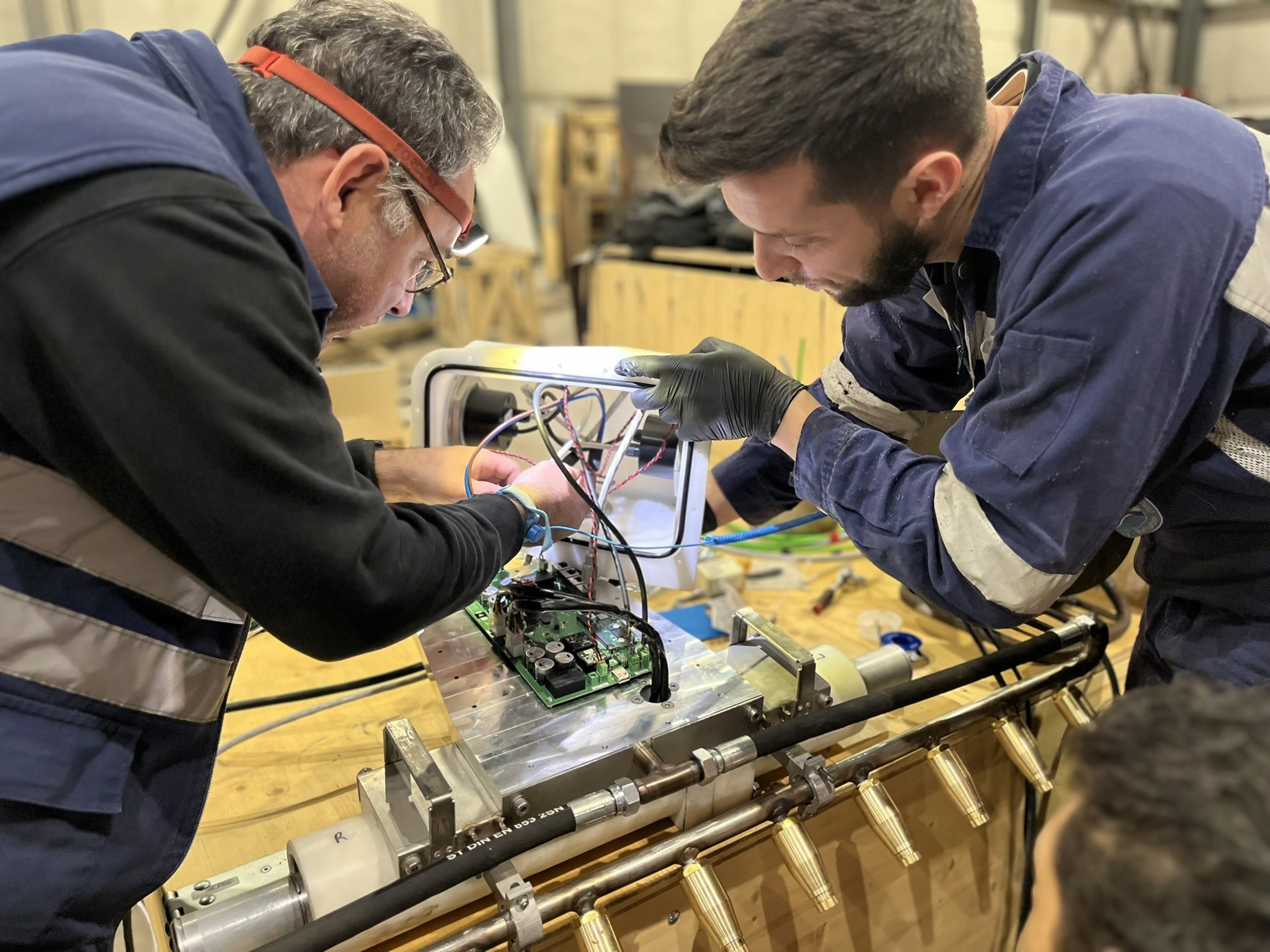
FMEA is structured pessimism with a productive outcome. It forces a development team to look beyond how a product is supposed to work and consider what happens when components fail, users make mistakes, signals become unreliable or an apparently sensible solution creates an unexpected new problem.
Done early and revisited as development progresses, it can improve safety, reliability and certification readiness while there is still time to make smart design decisions. For medical devices, ISO 14971 takes this further by embedding risk management throughout the complete product lifecycle. But the underlying principle remains surprisingly simple: don't just document the risk. Use it to design a better product.
