ISO 13485 Explained

ISO 13485 is the international quality management standard for medical devices. It describes how organisations should control and document the processes used to design, develop and manufacture medical devices.
It does not tell you how to design a surgical instrument, diagnostic device or wearable sensor. It makes sure you can explain what you did, why you did it, what could go wrong, what you tested and who approved it. That matters because in a “normal” product project, a discussion can sometimes go like this:
“Why did we change this part?”
“Because the old one didn’t work.”
“Who decided that?”
“I think Mark did.”
“When?”
“Before Christmas?”
In medical device development, that answer tends to age badly.
ISO 13485:2016 is an internationally recognised standard for a Quality Management System (QMS) for medical devices. It applies to organisations involved in activities such as design, development, production, installation and servicing of medical devices. The easiest way to understand a QMS is as the operating system behind product development. It defines how important activities are planned, performed, checked, documented and improved. That includes responsibilities, requirements, risk management, design reviews, verification, suppliers, document control, complaints and corrective actions.
In short: it reduces the chance that quality depends on somebody remembering an important conversation from six months ago.

No. ISO 13485 is a standard, not a law. It is published by the International Organization for Standardization, ISO. However, regulators around the world refer to it or use it as part of their quality requirements. In Europe, the Medical Device Regulation requires manufacturers to establish and maintain a suitable quality management system. In the United States, the FDA’s Quality Management System Regulation now incorporates ISO 13485:2016 by reference. Canada also relies heavily on ISO 13485 certification through the Medical Device Single Audit Program (MDSAP). So while ISO 13485 itself is not a regulation, it is deeply connected to regulatory compliance in major medical markets.
Medical devices are different from ordinary consumer products because design errors can affect patient safety. ISO 13485 therefore requires development to be systematic and traceable. Every requirement should be traceable to its source. A design decision should have a reason. A risk should have a mitigation. A test should have a predefined objective. A change should be identifiable. And important approvals should be recorded.
The principle is simple: Say what you are going to do. Do it. Check it. Keep the evidence. Improve the process when needed. The goal is not to create a digital graveyard of PDFs. The goal is to build a reliable development process.
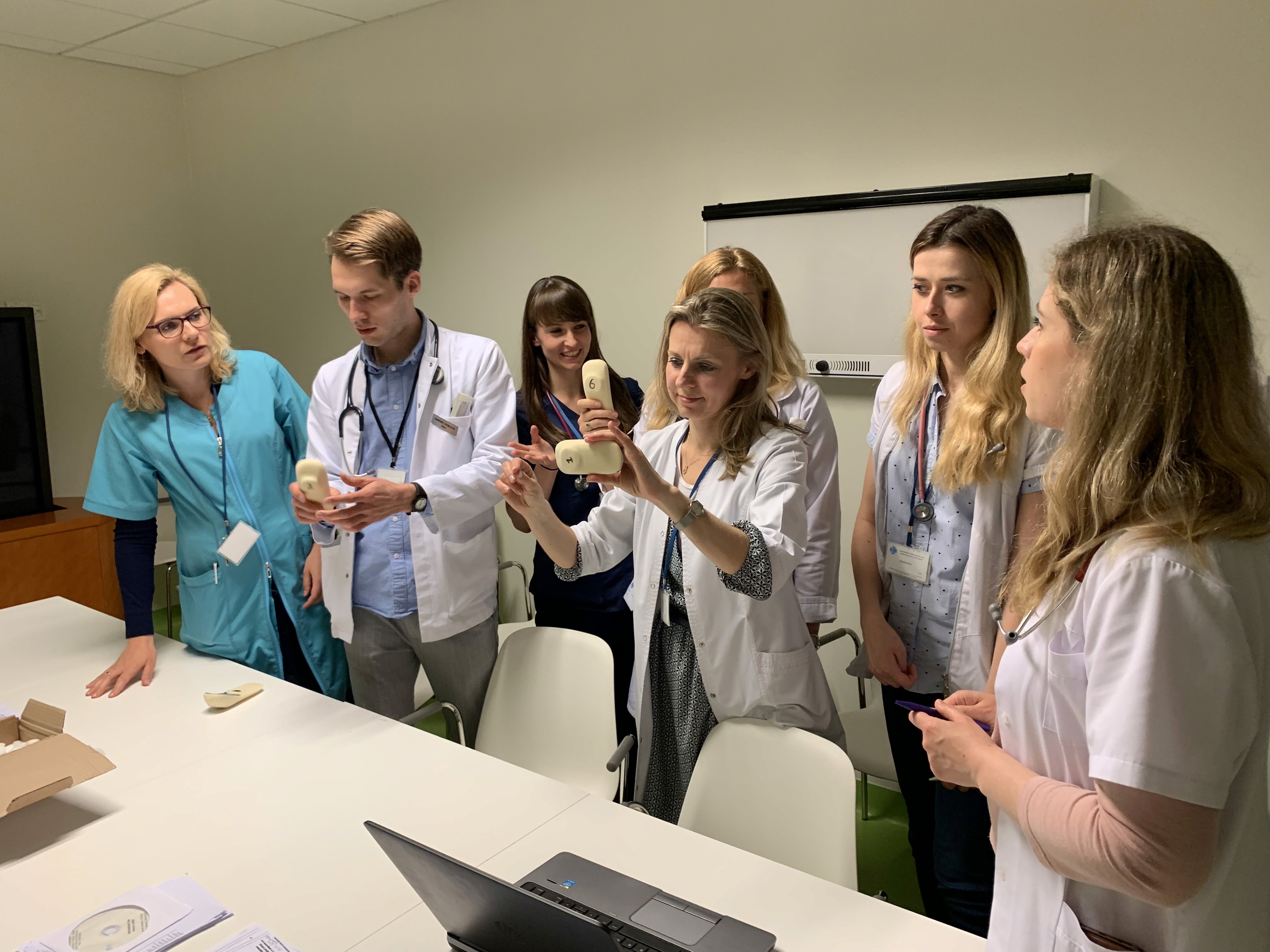
At ManGo, medical projects executed under our ISO 13485 process use a number of mandatory tools and documents. These include a responsibility matrix (RACI) showing who is responsible, accountable, consulted and informed, a medical Product Design Specification, an Action Decision Log, ISO 14971-based risk management, a DesignBook documenting the development process and documented prototype verification. The Product Design Specification defines the product requirements and is updated during development. The Action Decision Log records important decisions and their origin. Risk management identifies possible failures and links unacceptable risks back to design requirements. Prototype verification records what was tested, why it was tested and whether the objective was achieved. Version control is also essential. Medical projects have dedicated documentation structures and controlled naming conventions, while prototypes are linked to identifiable CAD versions. That creates a traceable chain from requirement → decision → risk → prototype → test → result.
For GOAL3’s IMPALA monitoring system, this included supporting an ISO 13485 audit of the selected manufacturer, defining product specifications and testing prototypes for demanding operating conditions.
The correct answer is: it depends on the organisation, its role and the market in which the device will be sold. For a legal manufacturer (or distributor), a compliant QMS is generally required in regulated medical-device markets. ISO 13485 is one of the main international frameworks used to meet those requirements. For an external design or engineering company, ISO 13485 certification is not automatically mandatory simply because it works on a medical device. But clients, regulators or contracts may require it. At ManGo, our ISO 13485 scope covers conceptual and technical development of medical products commissioned by clients. Production and related activities remain outside our scope and are the responsibility of the client or legal manufacturer. That distinction is important because development and manufacturing carry different responsibilities and after the development process and certification procedures ManGo is no longer involved in ongoing manufacturing, a process which also needs to be controlled constantly.

Yes. ISO 13485 is an international standard and is widely used across medical-device markets. However, certification is not a universal passport that automatically approves a product everywhere. Europe, the United States, Canada and other markets still have their own device classifications, technical documentation requirements and approval processes. That is why intended markets should be identified early in development. Discovering the regulatory strategy after tooling is one of the more expensive ways to learn this lesson.
No. ISO 13485 can apply to both development and production, depending on what an organisation actually does. At ManGo, the certified scope is focused on R&D. Our process covers design input, the design process and controlled design output. Production control, sterilisation validation, servicing and several other manufacturing-related activities are outside our scope.
This is important because a QMS should reflect the organisation’s real activities, not pretend every development company also operates a medical-device factory.
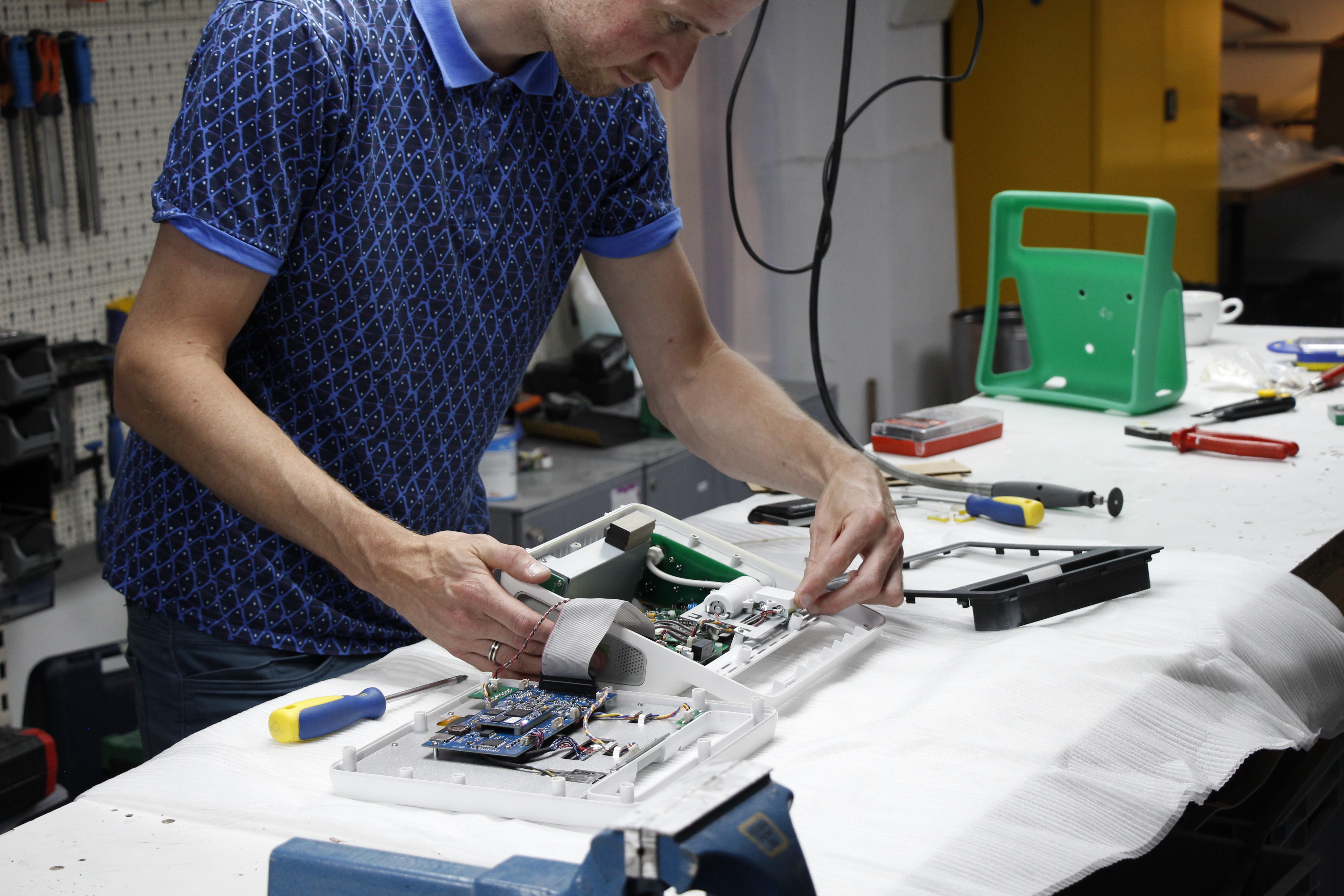
A company can work according to ISO 13485 principles without being certified. Certification means an independent certification body audits the organisation against the standard and the defined scope. At ManGo, external certification audits are performed by LRQA. Our QMS also includes internal audits, improvement reviews and an annual management review. External auditors review real projects, interview team members and check whether procedures are genuinely used in daily work. An external audit typically takes around two to three auditor days. Writing a beautiful procedure nobody follows is therefore not a particularly strong strategy.
There is no universal percentage. The additional effort depends on device complexity, risk, number of stakeholders, documentation quality and the maturity of the client organisation. At ManGo, extra time mainly goes into:
defining responsibilities
maintaining product requirements
documenting important decisions
risk management
design reviews and approvals
controlled versions
prototype verification
maintaining traceable project documentation
The DesignBook is maintained throughout the project, the Product Design Specification is updated at phase boundaries and risk management is revisited as development progresses. The key point is that a mature QMS does not add one giant paperwork phase at the end. Documenting a decision when it is made takes minutes. Reconstructing it eighteen months later from CAD files, emails and memory can take considerably longer.
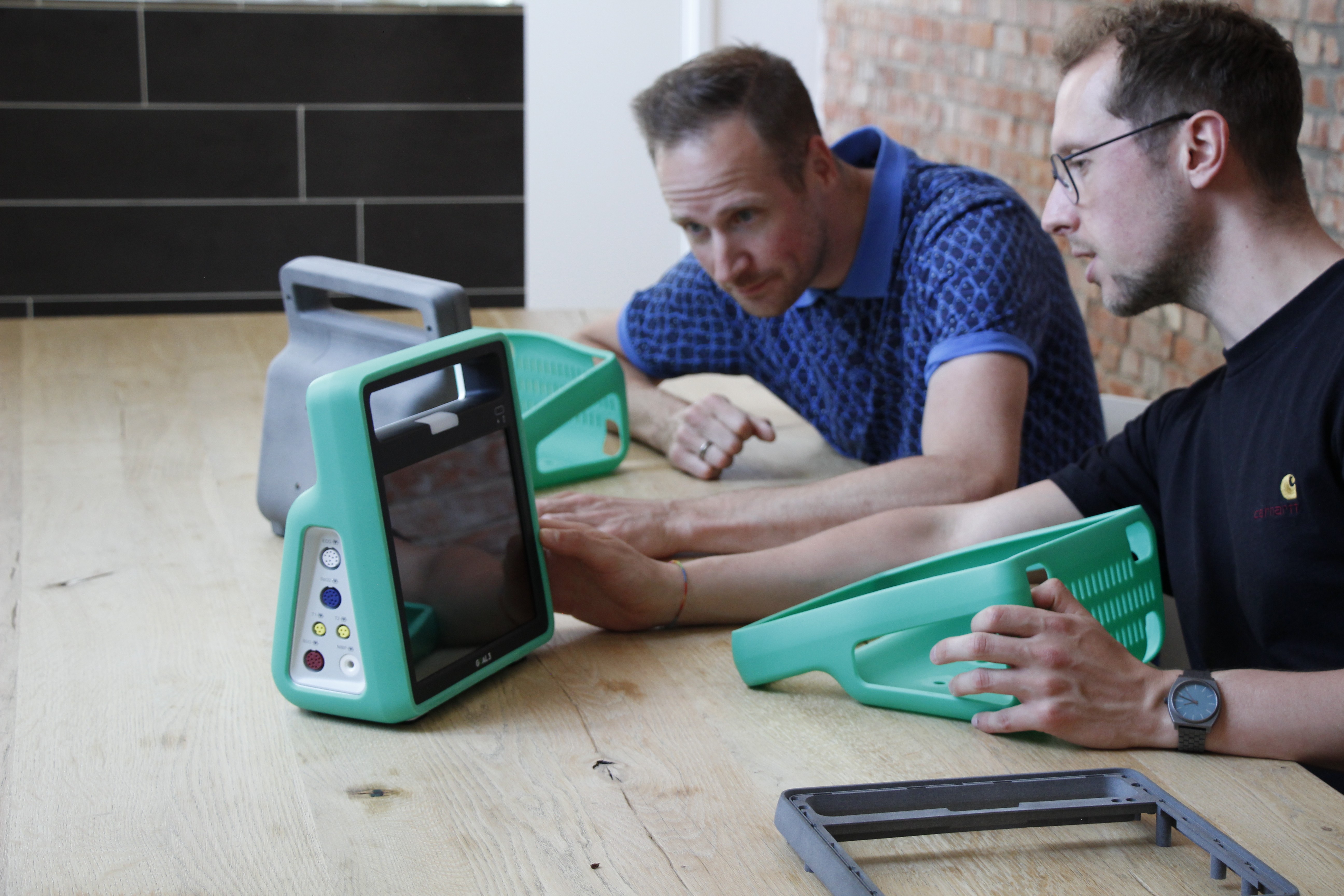
We have integrated ISO 13485 into our medical product development process rather than creating a separate regulatory process beside it. Our ISO 9001 QMS forms the general foundation, with additional ISO 13485 requirements applied to medical projects. Our certified scope focuses on conceptual and technical medical product development, while production responsibility remains with the legal manufacturer. Responsibilities are defined, requirements are controlled, decisions remain traceable, risks are reviewed, prototypes are verified and documents use version control.
Behind the individual projects, the QMS itself is continuously maintained through improvement reviews, management reviews, employee input and external audits. That is an important distinction: ISO 13485 is not something we switch on when a medical client arrives. The system has to remain active all year.
Not automatically. A certificate does not turn a weak concept into a good medical device. You still need capable designers and engineers, user research, risk management, verification, validation and appropriate regulatory expertise. What ISO 13485 does is create the structure in which those activities become traceable and repeatable. And when somebody later asks:
“Why did you design it like this?”
there should be a better answer than:
“Mark probably knows.”
ISO 13485 can initially look like a mountain of procedures, templates and acronyms. Its purpose is much simpler: to make medical device development controlled, traceable and repeatable so that quality does not depend on luck or memory. For legal manufacturers, a proper QMS is a core part of regulatory compliance. For development partners such as ManGo, ISO 13485 makes it possible to work within that regulated environment while keeping responsibilities clearly defined. At ManGo, we have built the system around the way designers and engineers actually work: requirements, decisions, risks, prototypes and tests are documented as part of development rather than reconstructed afterwards. Developing a medical device and wondering what ISO 13485 means for your project? Contact ManGo before your prototype turns into a regulatory archaeology project.