Quadruple Aim in healthcare

The Quadruple Aim is a practical healthcare framework for designing medical products that improve patient experience, support population health, reduce the total cost of care and make healthcare professionals' work easier. Translating these goals into measurable requirements early creates products that are safe, feasible, usable, scalable and easier to adopt.
A successful medical product must do more than function correctly. It must fit patients' lives, clinical workflows and a sustainable cost model.
The Quadruple Aim has four connected goals: improving patient experience, population health, the cost of care and the working experience of healthcare professionals. It developed from the IHI Triple Aim.
The purchaser, prescriber, operator, maintainer and patient may all be different people. The framework broadens the question from “Can we make this technology work?” to “Can it improve care across the healthcare system?”
Patient experience covers comfort, pain, noise, clarity, confidence, privacy, dignity and accessibility before, during and after use. A wearable may perform well clinically and still be abandoned if it is uncomfortable, hard to clean or complicated to charge.
Research should become testable design inputs: “easy to use” is vague, while recognising the correct orientation without instructions is measurable.
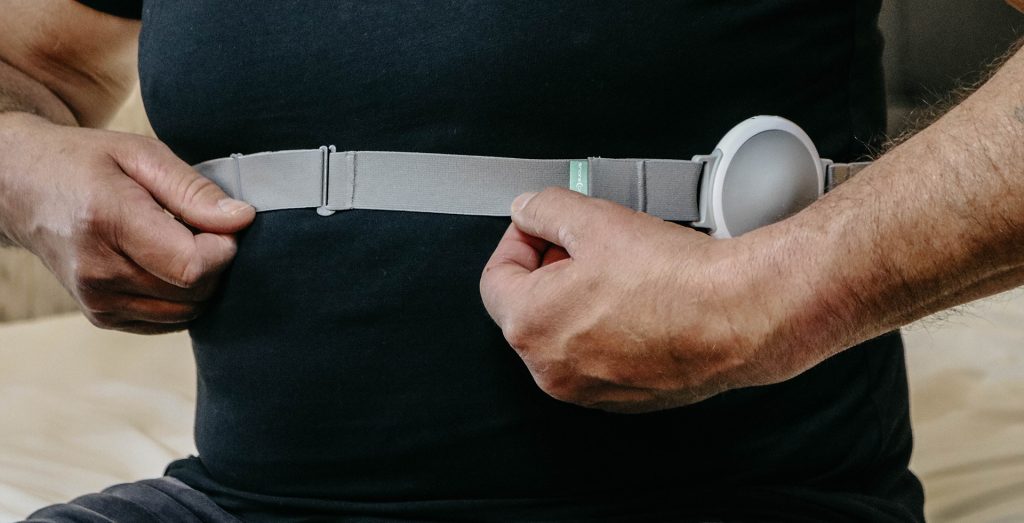
Population health depends partly on how many people can access, understand and benefit from a solution. Inclusive design considers health literacy, vision, hearing, dexterity, strength, body size, language, culture and connectivity.
Context matters too. Products may behave differently in hospitals, primary care, ambulances, homes or lower-resource settings. Population-level impact requires reliable production, distribution, service and use at scale.
Reducing healthcare costs does not necessarily mean making the cheapest device. A higher purchase price may create value by shortening procedures, reducing preparation, preventing errors, lowering training needs or enabling home treatment.
Architecture, assembly and manufacturing affect development costs, but also reliability, repair and disposal. A realistic analysis includes staffing, training, maintenance, replacement and use errors.
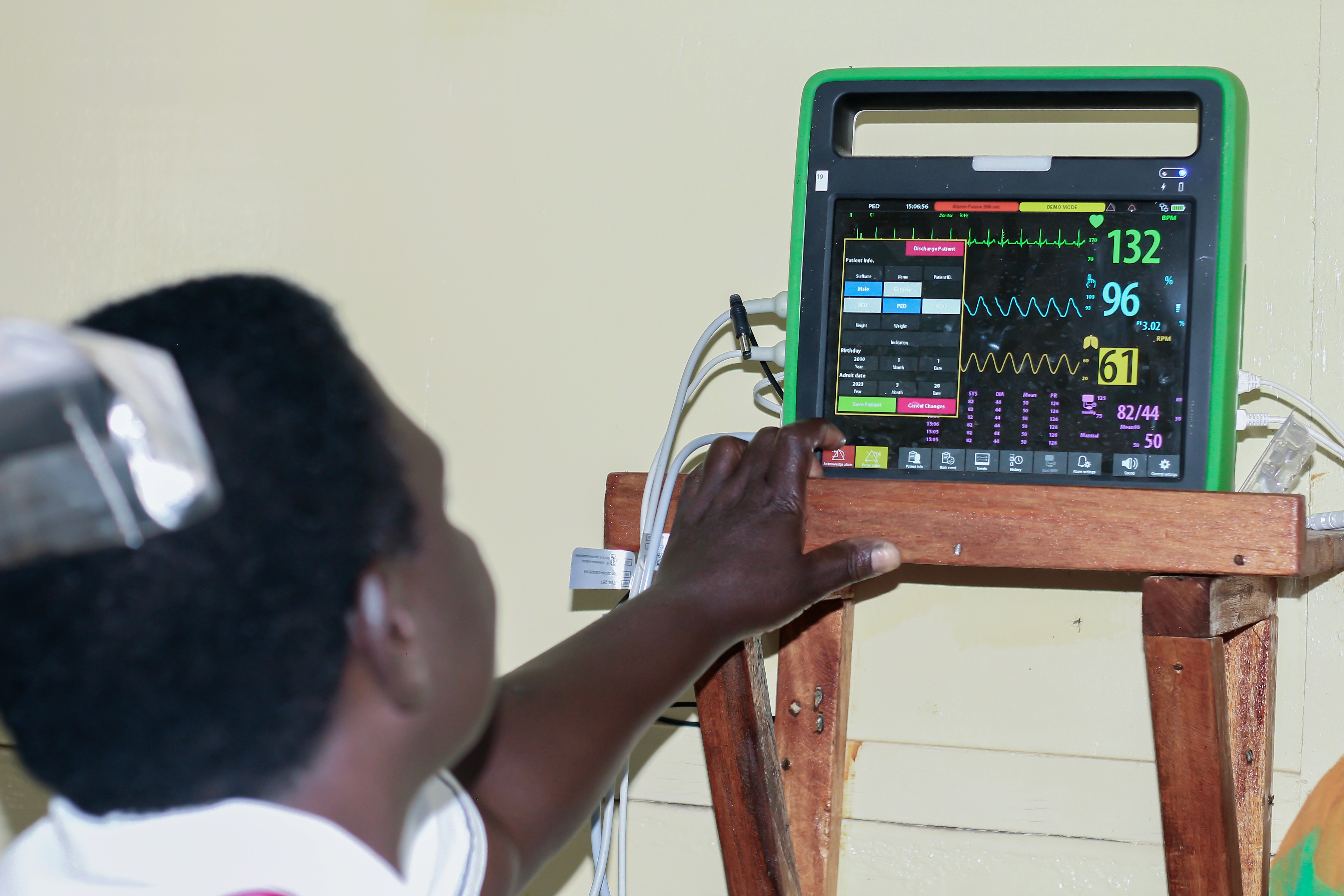
Healthcare professionals use devices under time pressure, with interruptions, alarms, protective equipment and competing demands. Design should cover the entire workflow: preparation, connections, positioning, settings, feedback, cleaning, storage and service.
The interface is more than a touchscreen. FDA human-factors guidance also includes physical form, controls, displays, packaging, labelling, instructions and training.
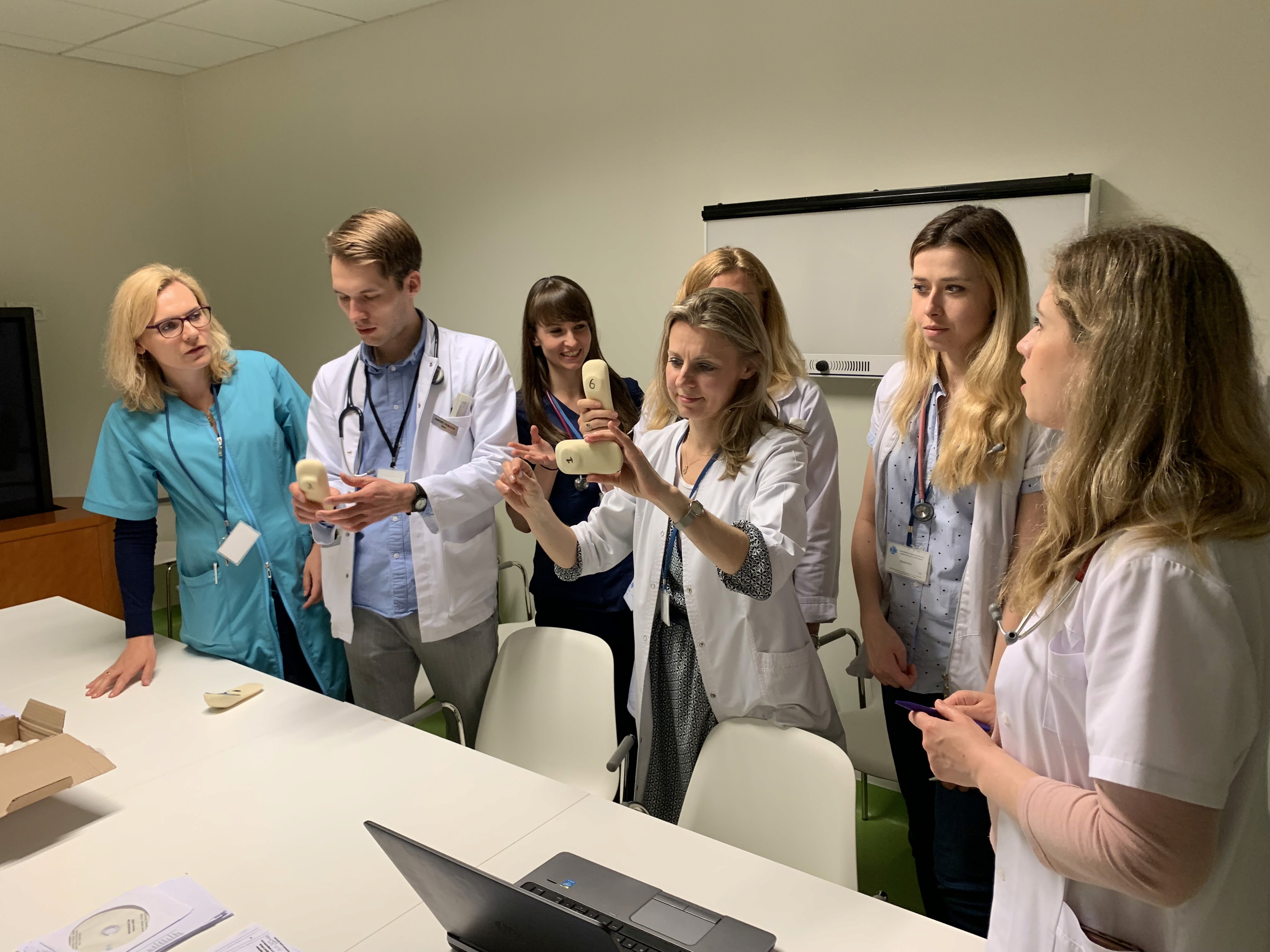
At the start of a structured product development process, define a design question, hypothesis and success indicator for each aim.
Measures may include task success, comfort, adherence, accessibility, reach, procedure time, consumables, training, workload, setup time, use errors and satisfaction. They must be defined early enough to influence concepts and engineering.
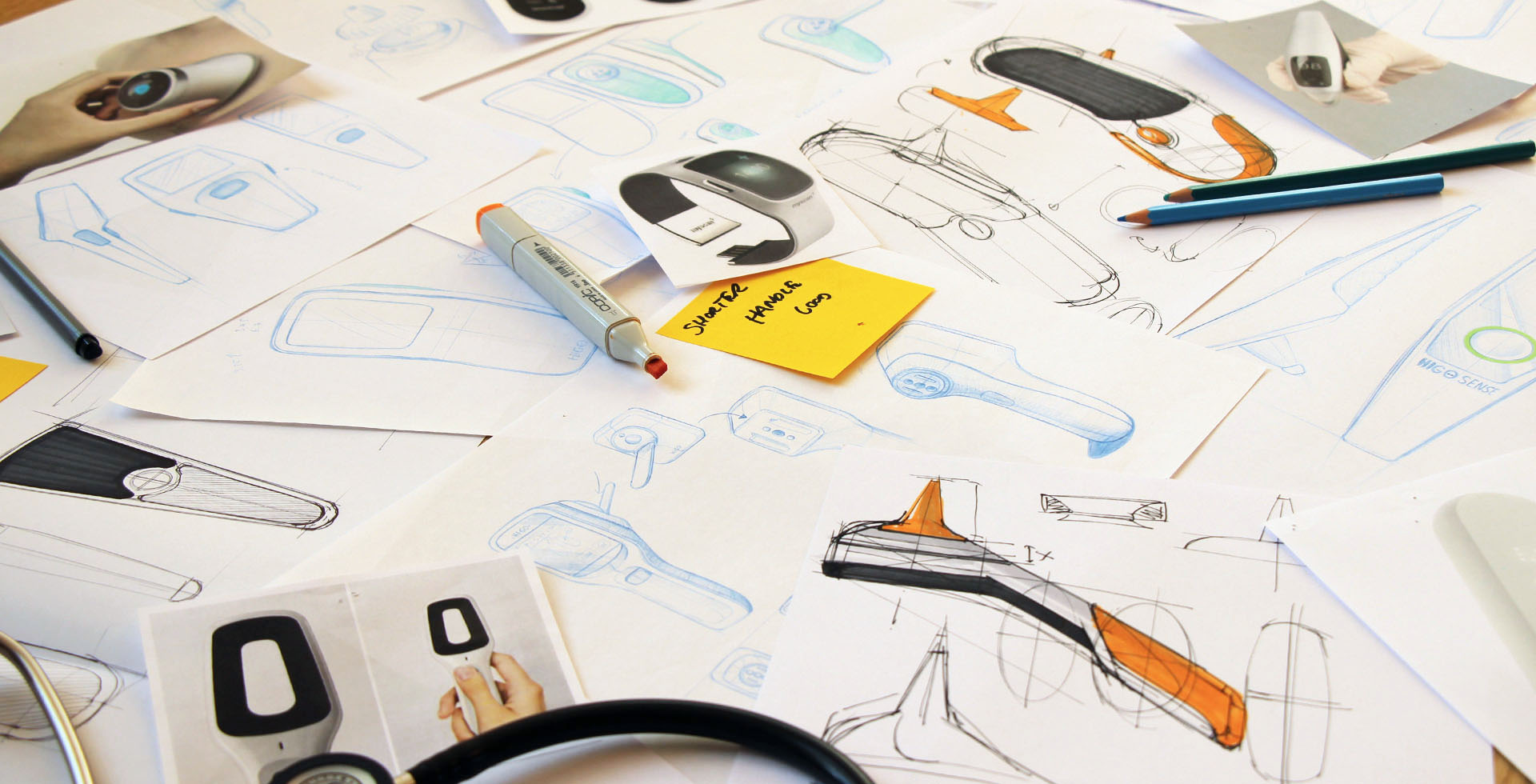
Validation should become progressively more realistic throughout the development timeline. Confirm the need and stakeholder ecosystem, observe representative users, test early prototypes and connect usability engineering with risk management.
Measure workflow and economic effects against the current standard of care. Introduce realistic equipment, noise, interruptions, packaging, cleaning and maintenance. After launch, complaints, service data and recurring workarounds can guide improvement.
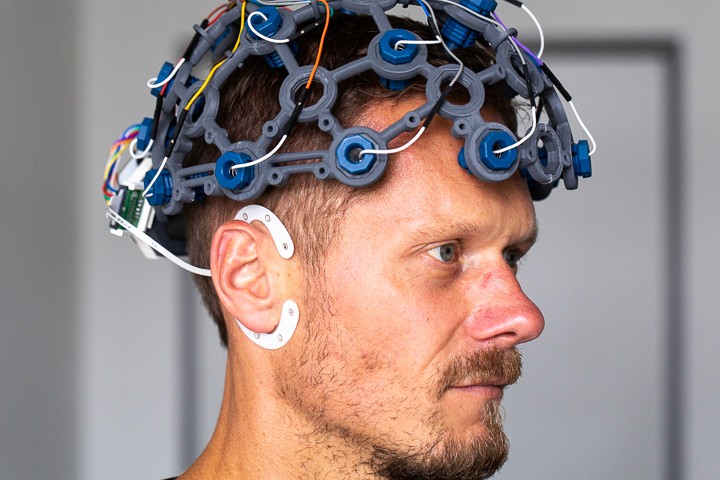
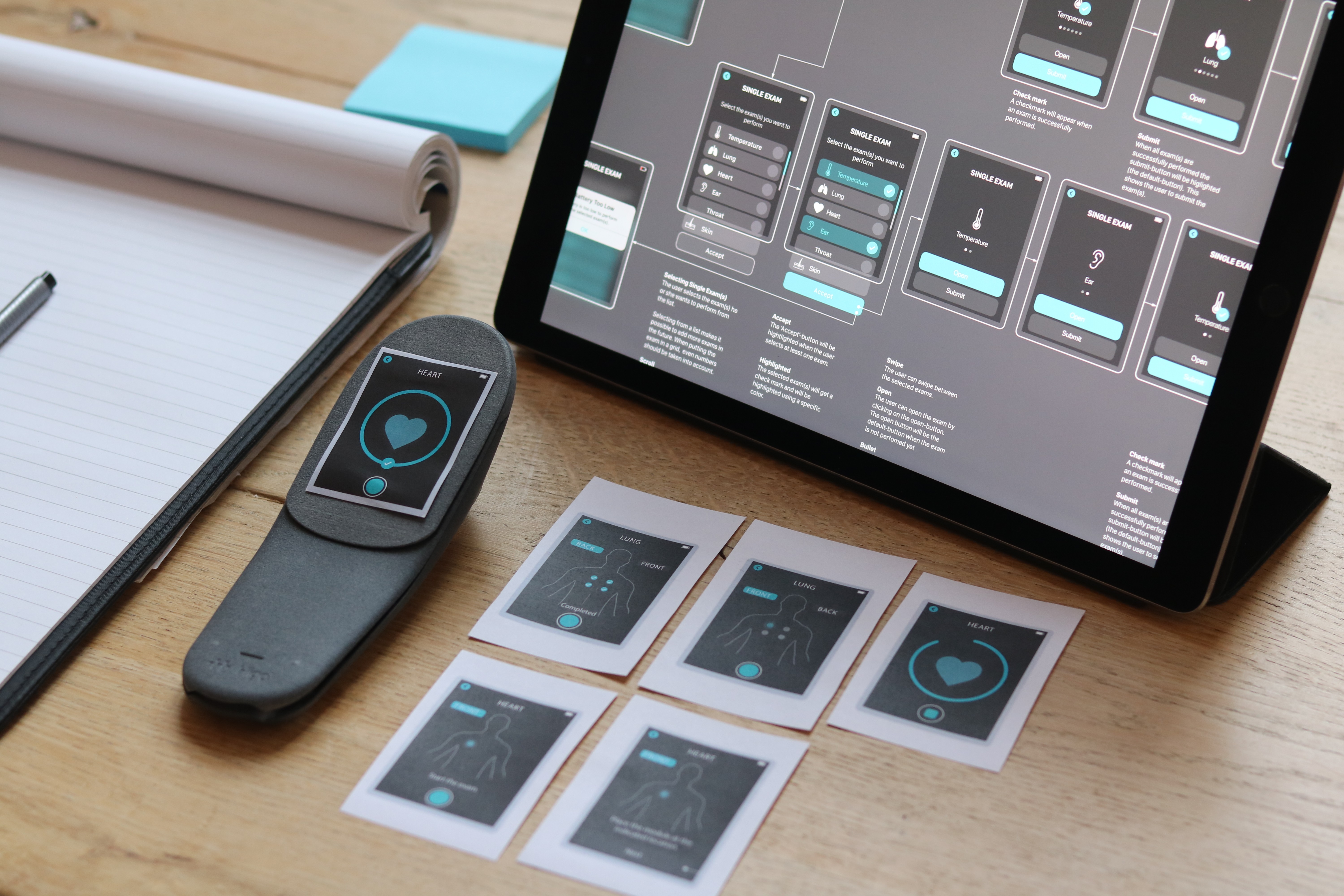
Industrial design connects human needs, technology, engineering and manufacturability. In MedTech it supports research, product strategy, ergonomics, interaction, prototyping, usability evaluation and design for manufacture.
Form, colour, material and finish can communicate trust and cleanliness, distinguish interaction zones, support correct use and reduce anxiety.
Health equity is the formally recognised fifth objective in the IHI Quintuple Aim. It asks whether language, disability, age, income, digital access or geography affects who can benefit.
Environmental sustainability is a separate design consideration. Materials, packaging, energy, logistics and end-of-life choices must be balanced with safety, infection control, reliability and regulation.
ManGo supports MedTech companies from product definition and concept development through engineering, prototyping and production preparation. The HigoSense telemedicine device shows how design, engineering and usability can be developed as one system.
Clear development deliverables connect user research, requirements, prototypes and engineering to quality, clinical and regulatory activities. ManGo is certified according to ISO 9001 and ISO 13485.
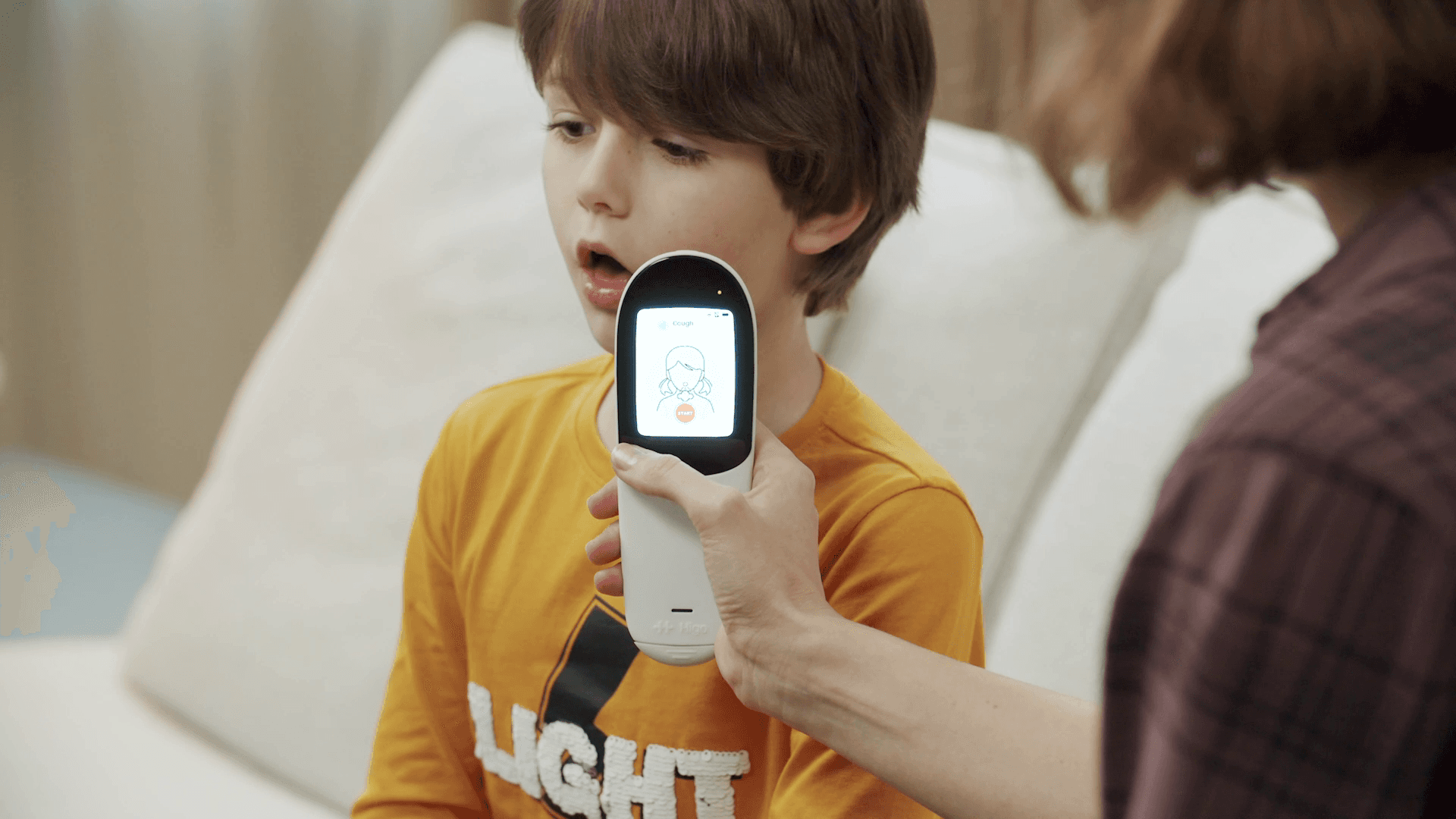
The Quadruple Aim helps MedTech teams look beyond technical performance. Strong medical products help patients feel confident, professionals work effectively, organisations use resources efficiently and make better care accessible to more people.
Achieving this requires collaboration, prototyping, testing and evidence rather than assumptions.
Developing a medical product for patients, professionals and healthcare organisations? Contact ManGo before important decisions become expensive to change.