Reimbursement by design

A medical device can work technically and still be difficult to adopt. It happens more often than it should: a team builds a strong prototype, hits important milestones and gets encouraging feedback from clinicians. Then runs into the harder question: who is actually going to pay for this?
That question is about reimbursement, and it sits separately from regulatory approval. Approval can help a device enter a market. Reimbursement determines whether it becomes part of routine care.
This article is not reimbursement advice, and ManGo is not a reimbursement consultancy. But there is a practical point worth making: payment routes, billing codes and evidence requirements can shape product decisions earlier than most teams expect.
Before a medical device is too far into development, product teams should ask:
Is there an existing payment route for this type of product, procedure or service?
Does the device fit an existing billing code, tariff or budget category?
If the product is innovative, does it fall outside the usual reimbursement categories?
What evidence will hospitals, insurers, procurement teams or care organizations need before they accept the value case?
Which product decisions affect cost per use, workflow, training, maintenance and adoption?
When these questions come too late, a product can be technically strong but commercially difficult to land. That is a familiar and expensive outcome.

In many healthcare markets, reimbursement comes down to three connected questions:
Coverage: will a payer or healthcare system pay for this at all?
Coding: is there an existing billing code, tariff or category for it?
Payment: how much is reimbursed, and to whom?
The coding question is easy to underestimate. Healthcare systems do not typically create a new budget line just because a product is useful. Products have to fit existing categories, procedures, tariffs or budgets, and those categories may not reflect the way an innovative product actually creates value.
Innovative products often do not fit neatly into existing billing codes. A product may help prevent complications, reduce visits or give clinicians better information earlier, and that can be genuinely valuable. But if the healthcare system has no clear category for paying for that value, adoption becomes difficult regardless of how well the product works.
The reasons vary. The product may sit outside available budget categories. The benefit may appear in one part of the system while the cost lands somewhere else. A payer, hospital or care organization may need real-world evidence over time before money flows differently. Together, these create a hard commercial gap: the product works, but the payment route is not ready for it.
ManGo recognizes this pattern. A preventive connected-care product can be technically strong and still struggle with adoption, simply because the party that benefits is not automatically the party that pays. That is not a design failure. It is a reimbursement and adoption reality that needs to be visible early in the process.
The practical lesson is straightforward: if a product depends on prevention, earlier diagnosis or avoided future costs, the reimbursement question is not "is this useful?" It is "who has a code, budget or incentive to pay for this now?"
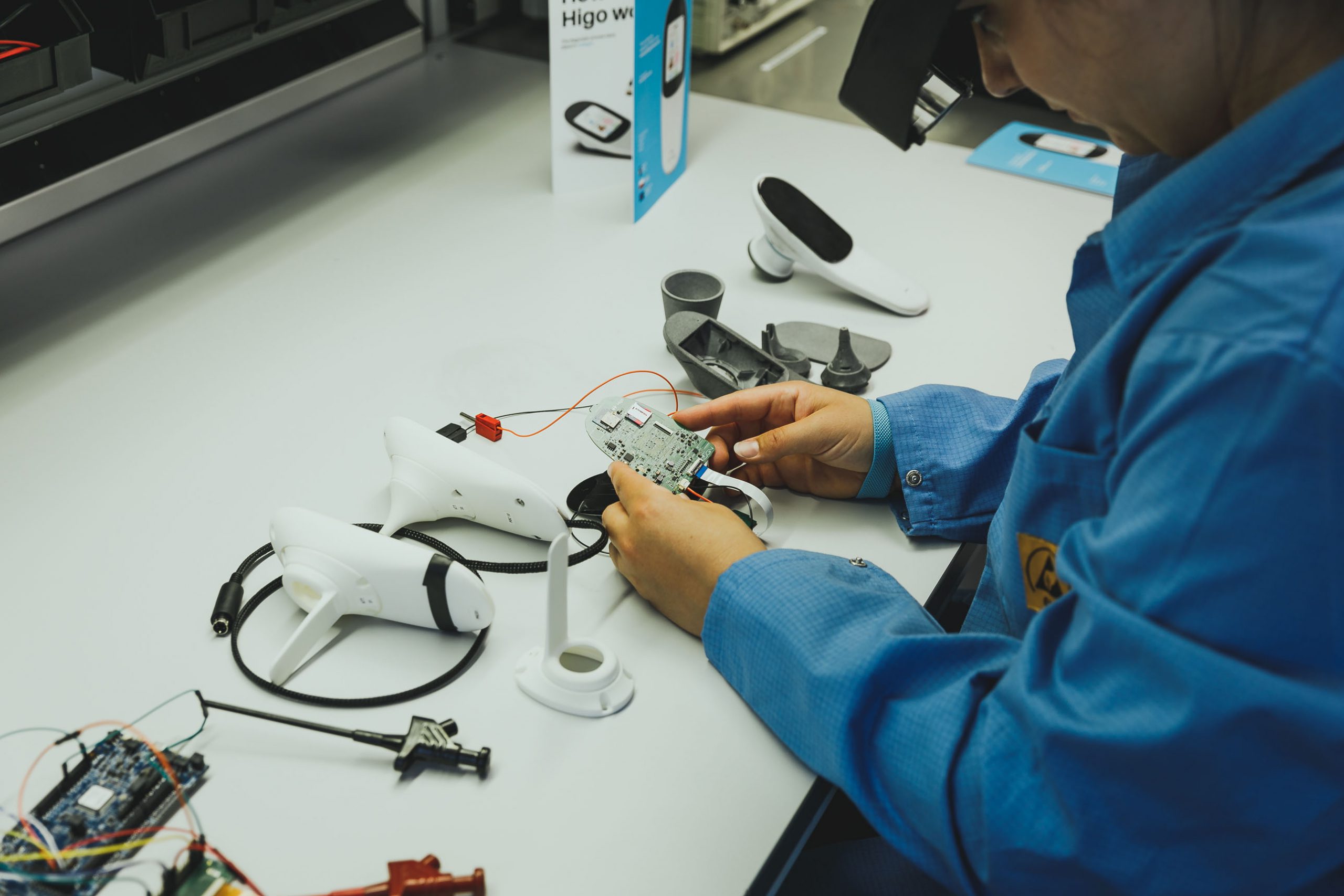
Reimbursement sounds commercial, but many reimbursement-sensitive decisions are made during product development.
Product teams make choices about:
reusable versus disposable models
cost per use
clinical workflow
training burden
evidence claims
usability
manufacturing cost
service or software components
what must be verified, validated and documented
All of those choices affect whether a product can fit a payment route, procurement process or care pathway.
If a device saves time but adds cost to the wrong department, adoption may still be slow. If it requires new workflow behavior, the value story needs to be supported by evidence. If it depends on prevention, the team may need to demonstrate outcomes over time before payers will move.
Design cannot solve reimbursement on its own. But early design decisions can make reimbursement assumptions visible while the product definition is still open, before rework becomes costly.

Common problems include:
The product is priced above what existing payment structures can support.
The clinical study measures what clinicians find interesting, but not what payers or procurement teams need.
The product creates long-term value, while the buyer only sees short-term cost.
The device improves a workflow, but there is no billing code or budget category that fits.
Procurement sees the product as an added cost rather than a replacement for existing spend.
The team discovers too late that adoption may require real-world evidence over several years.
This is especially relevant for preventive innovations. Preventing a future problem may be clinically and socially valuable, but healthcare budgets tend to move only when proof, codes and incentives are in place. The spreadsheet is rarely impressed by optimism. Rude, but consistent.
Before locking the product definition, ask:
What exact use case are we designing for?
Which care setting will use the product first?
Is there an existing billing code, tariff or budget category?
If not, who would need to pay before the evidence is mature?
Who benefits financially, and is that the same party that buys the product?
What evidence is needed for adoption, not just for approval?
Which product decisions influence cost per use, workflow, training and maintenance?
Which reimbursement, market access or health economics specialist should review these assumptions early?
This does not turn designers into reimbursement experts. It makes the design brief more honest, and the assumptions visible at a point when they can still be addressed.
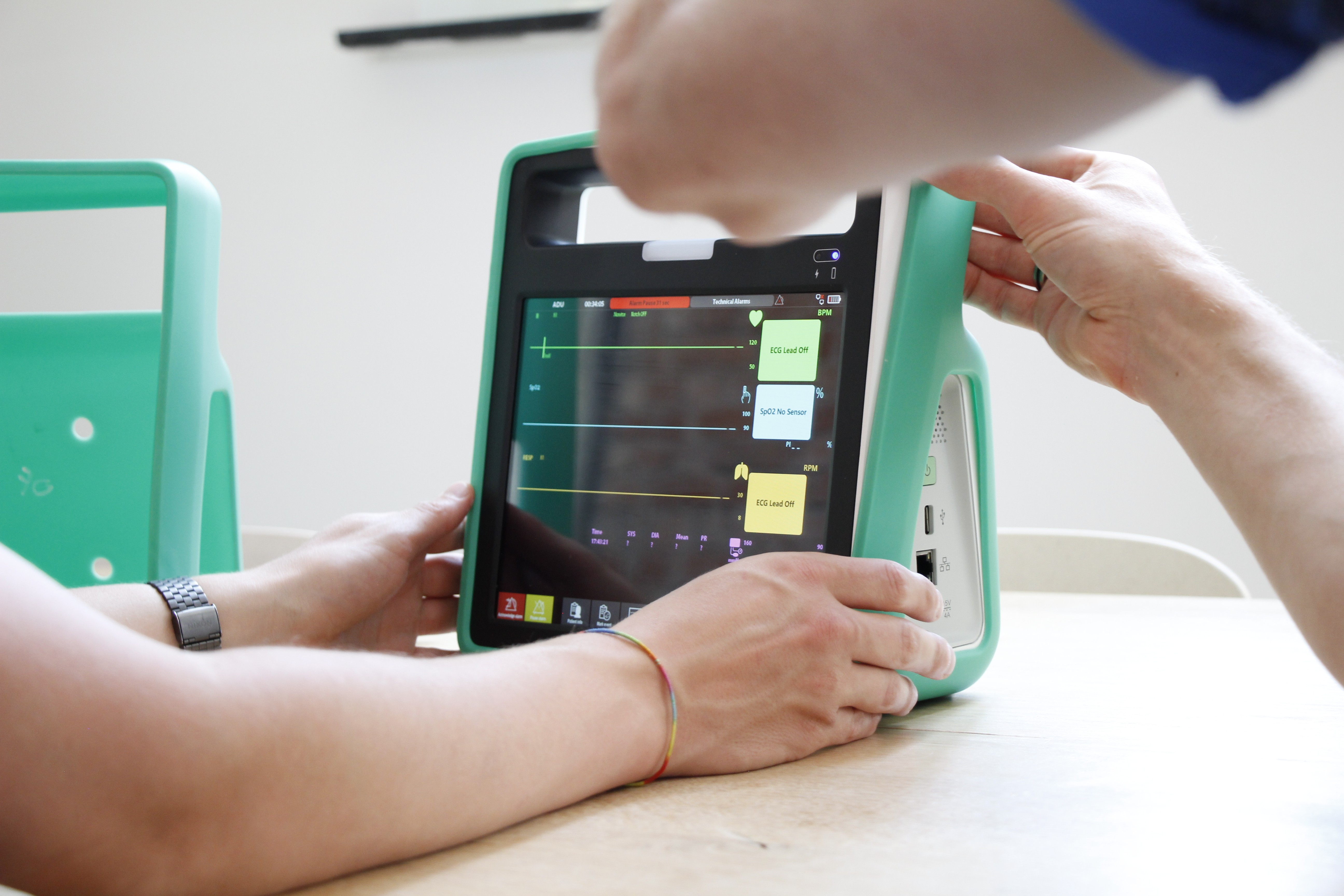
ManGo helps teams develop medical devices and technically complex physical products. In doing so, user needs, technical constraints, prototyping, usability and manufacturing reality come together earlier than is common in most development trajectories.
Reimbursement is part of that reality. Not because ManGo replaces reimbursement specialists, but because reimbursement-sensitive questions can upend the product brief long before those specialists join the process.
For teams developing medical devices, the real value lies in bringing product design, clinical value, evidence assumptions and reimbursement logic to the table early, while the decisions that matter are still open.
Are you developing a medical device and want to critically examine your product definition, prototype strategy or development assumptions? Get in touch.
Is reimbursement the same as regulatory approval?
No. Regulatory approval gives a product access to the market. Reimbursement then determines whether an insurer, healthcare system, or care organization actually pays for routine use. They are two separate steps, each with their own process.
Why are billing codes so important?
Codes, tariffs, and budget categories determine whether a product fits an existing payment route. Innovations often create value outside established categories, and that makes reimbursement particularly challenging. Understanding the codes early allows teams to anticipate and address funding obstacles before they become blockers.
When should teams test their assumptions?
Before the product definition, prototype strategy, and evidence planning are finalized. At that stage, assumptions can still be adjusted, and early validation prevents costly course corrections later in the process.
©2026 ManGo Product Design | Privacy Policy | Terms & conditions | Cookies