Crowdfunding rollercoaster, from sketch to backers

Crowdfunding, it sounds like the holy grail for every ambitious product entrepreneur: throw your brilliant idea online, make a slick video and the money will pour in. Right? Well… not quite. Crowdfunding is a powerful tool to build awareness and attract early fans, but it comes with plenty of strings attached. So let’s walk through what really goes into launching a successful campaign.
Crowdfunding means raising money from the public, literally, “the crowd.” You present your idea on a platform, and people who believe in it can back the project by pledging money. In return, they typically get early access to the product, often at a discounted price. There are many types of crowdfunding (loans, equity, etc.), but for physical products, the most common model is reward-based crowdfunding.

The two most well-known platforms for launching physical products are Kickstarter and Indiegogo. Kickstarter is strict: they only accept campaigns that feature a functioning physical prototype (no render-only projects), and only allow rewards, no equity or profit promises. Indiegogo is a bit more flexible and allows pre-orders of products that are still in development. But even there, having a working prototype is strongly recommended. The days of “just an idea and a PowerPoint” are long gone.

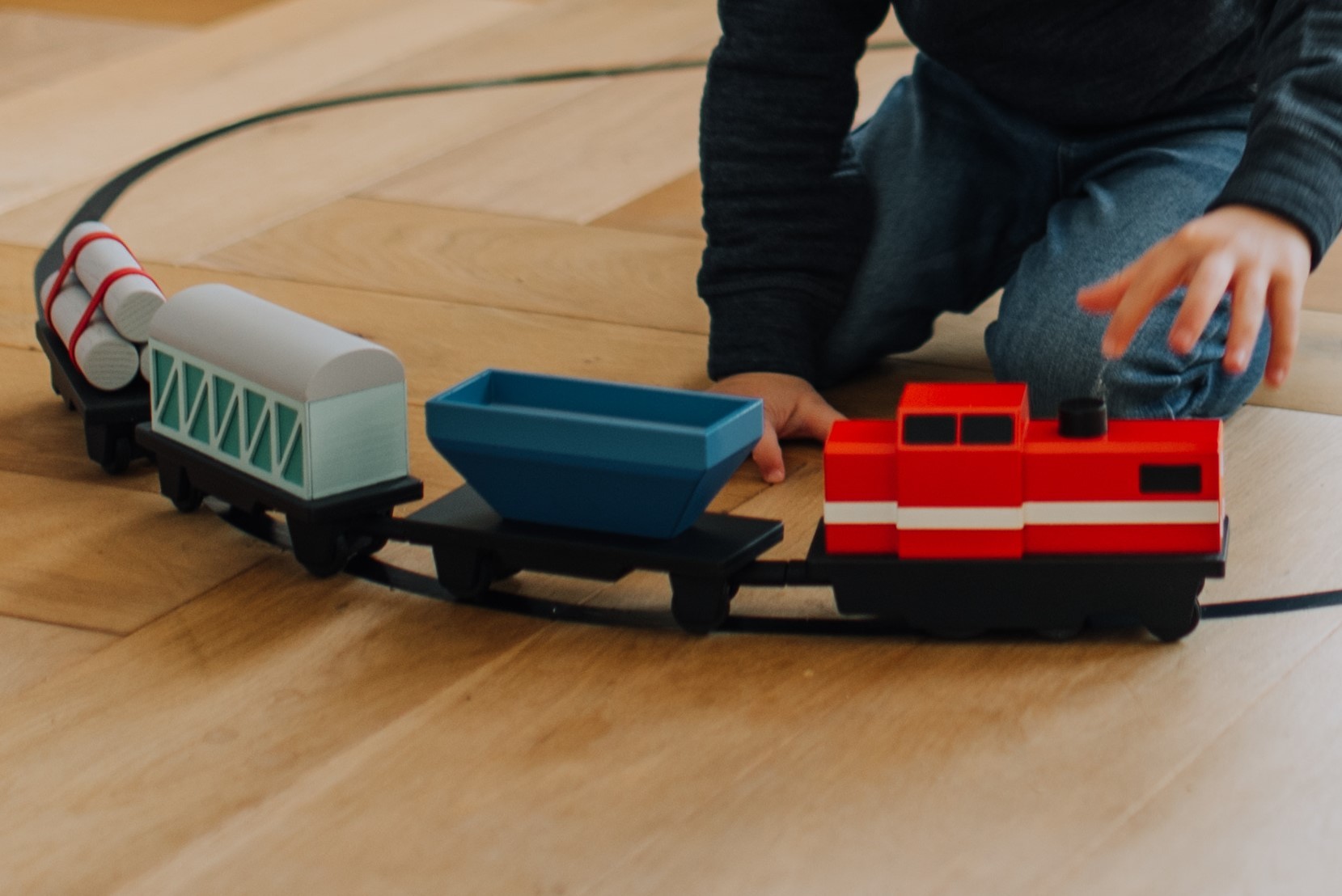
First: have a solid product idea. Second: build a working prototype. As well as creating a strong brand, crafting a compelling story and investing in top-notch visuals and, most importantly, a video that doesn’t look like it was shot in your garage with an old Nokia. The best crowdfunding videos are short, clear, show the product in action and build trust. Humor helps. Drama helps. But above all: be transparent.

A common myth is that you just put your product on Kickstarter and it will magically go viral. Sadly, no. Without a marketing budget, no one will even know your campaign exists. You'll need social media ads, email campaigns, PR outreach, influencers and all of that before your campaign goes live. It’s smart to build a community beforehand. Otherwise, your campaign will echo into the void. Many successful campaigns report spending up to € 50.000,- or more on marketing before launch. Campaigns that raise over € 100.000,- often have at least € 20,000,- to € 30,000,- in ad spend behind them. A commonly cited rule of thumb is that every € 1,- spent on well-optimized ads can bring in € 4 to € 6,- in funding but only if the product, targeting, and storytelling are solid. Like it or not, around 20% to 30% of your campaign funding will be eaten up by marketing, money that won’t go toward building your product.
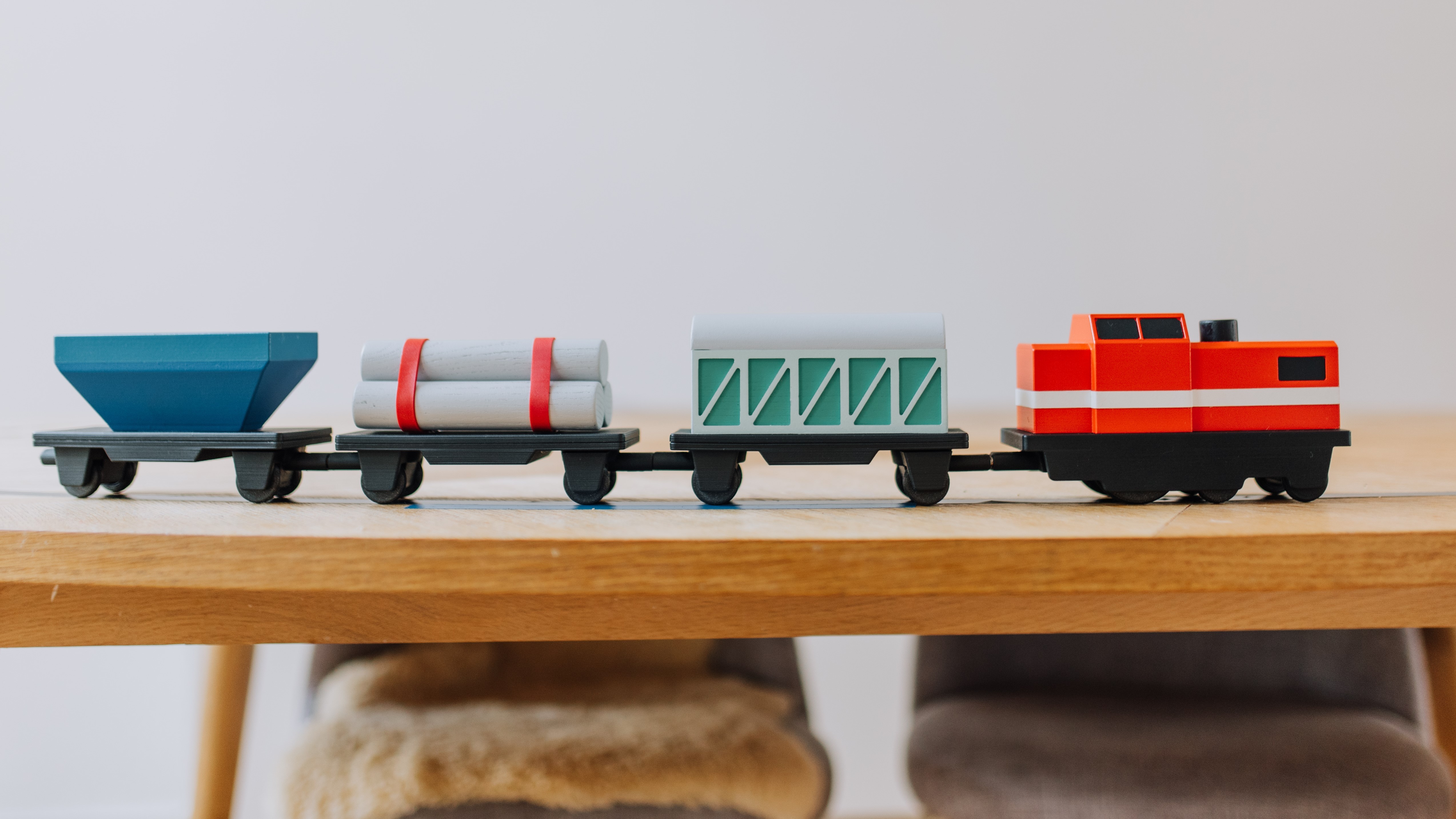
The big advantage of crowdfunding: you can test market interest before investing tens of thousands or more into moulds . You get valuable feedback and create momentum. But the downsides are real: the funds raised often aren’t enough to cover all development and production costs (think tooling, certifications, minimum factory orders…). And then there’s the risk of your idea being copied, even before you've had a chance to launch it yourself. And don’t forget the risk of facing legal trouble yourself if you haven’t checked whether your product idea is already protected by someone else’s patent .

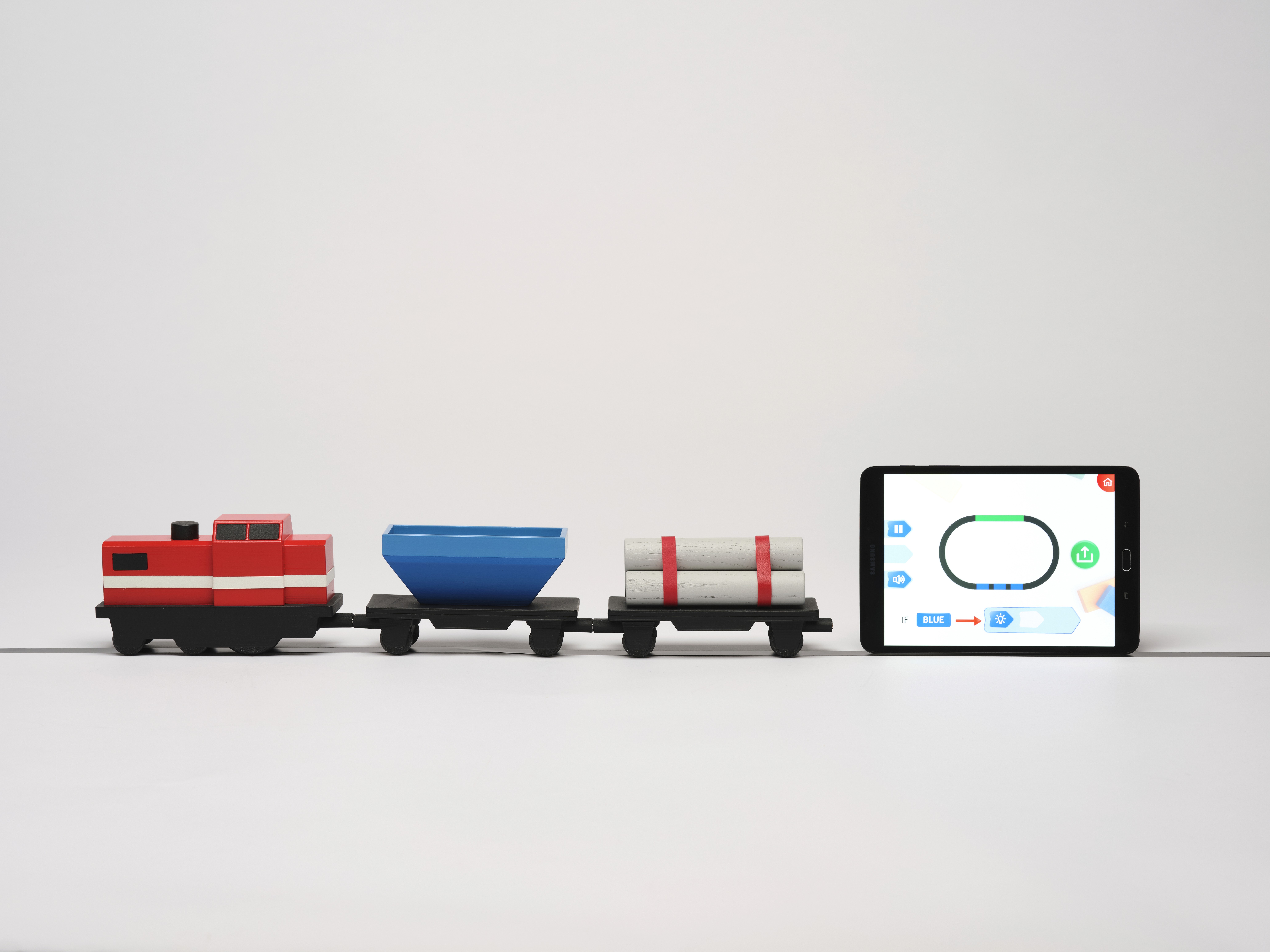
One common pitfall is launching a campaign with only a prototype in hand and no plan for what comes next. Ideally, you’ll want to have already aligned with a reliable manufacturing partner before you go live. That way, you’ll have a clear view of feasibility, realistic production costs, lead times, and what it takes to actually build your product at scale. Too many campaigns raise funds based on an early prototype, only to find out afterward that mass production is more complex, more expensive and slower than expected. That’s a fast track to blown budgets, angry backers, and a very stressful “success.”

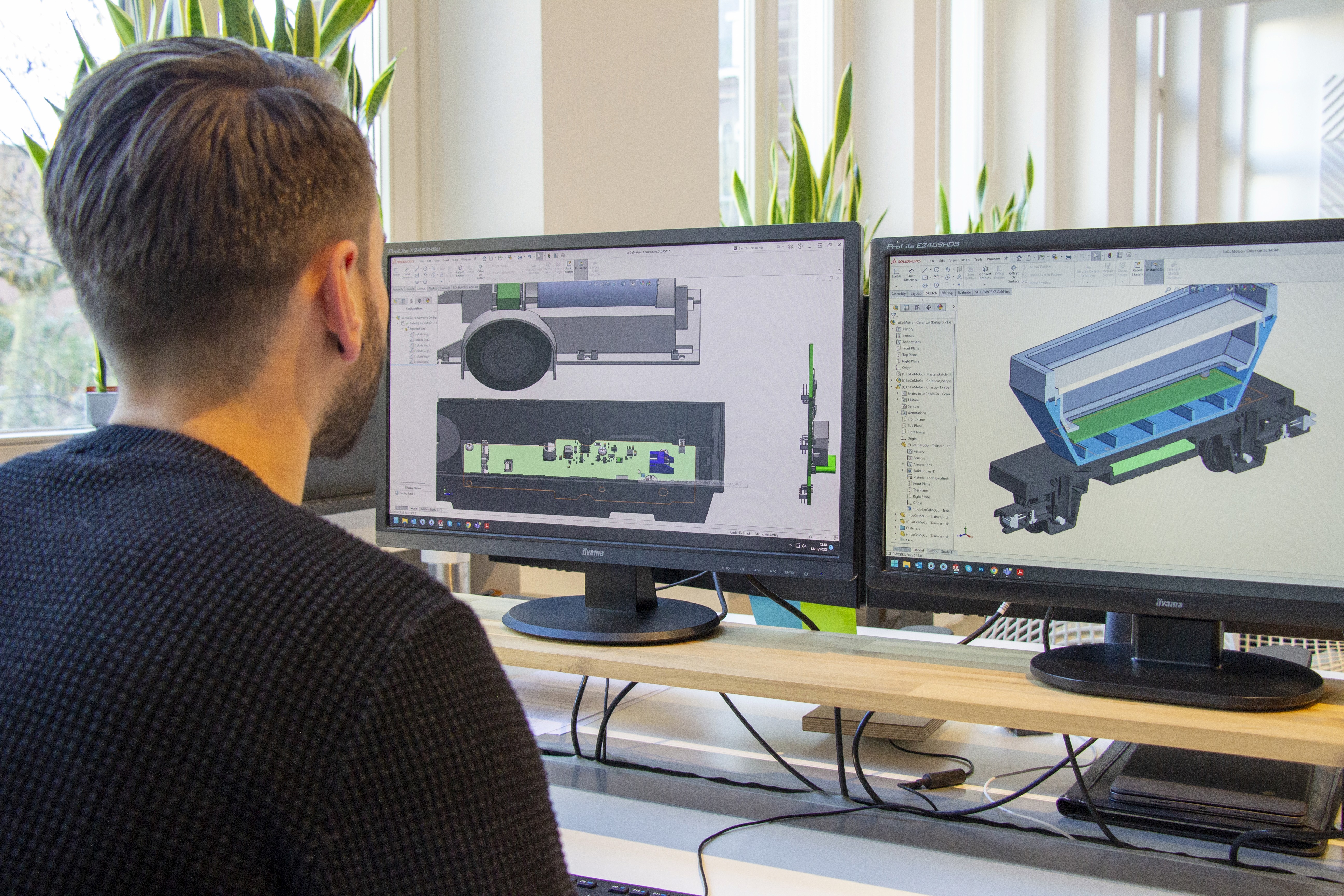
Many campaigns fail after they’ve been funded. You might have cash in the bank and a prototype, but then comes the real challenge: final engineering, opening tooling, setting up a supply chain and getting a factory to understand how to assemble your product. Even for a “simple” product, this process can easily take 6 to 12 months. And those are months filled with emails from backers asking, “Where’s my stuff?”

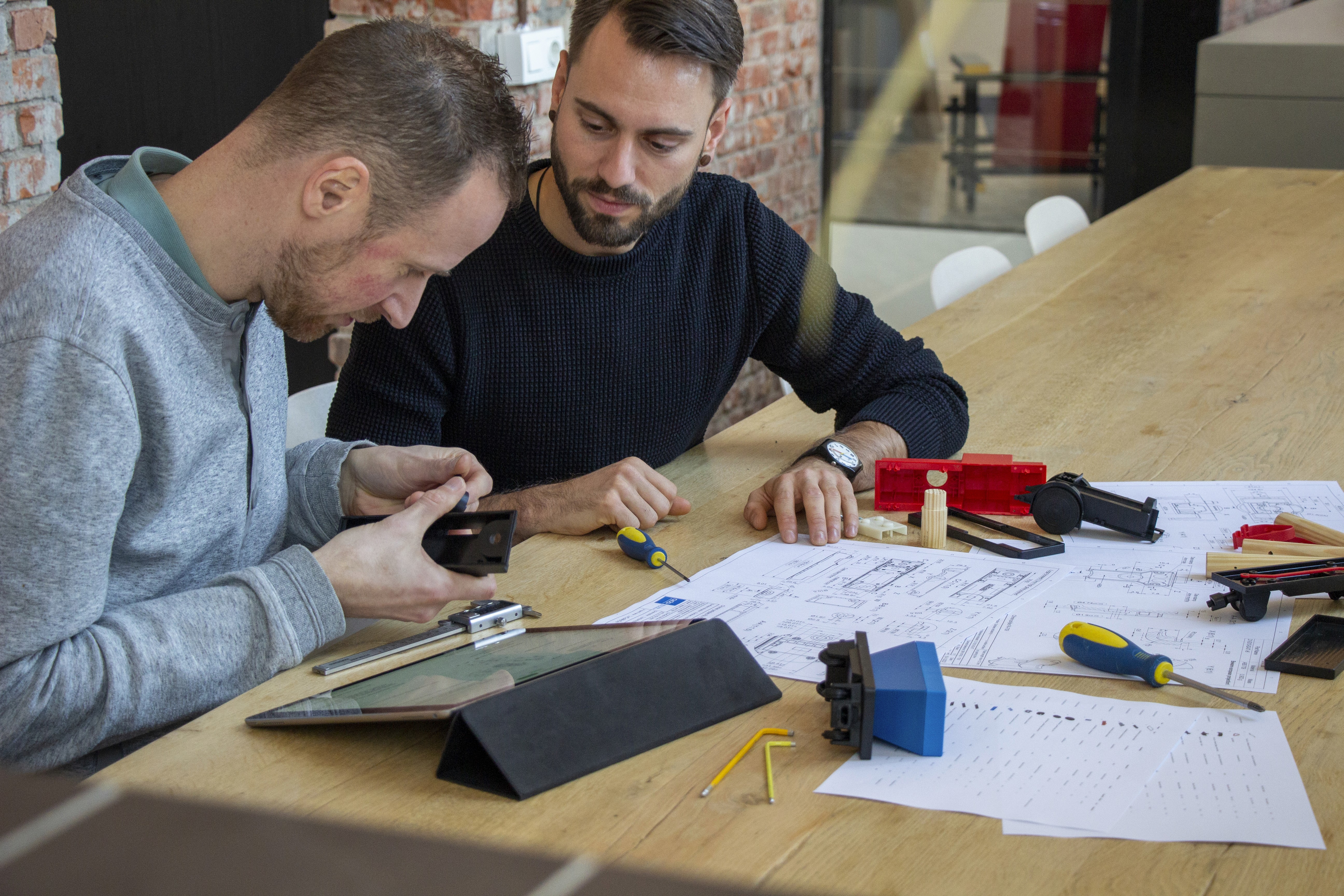
A crowdfunding campaign isn’t a shortcut to success, it’s a high-speed sprint that requires serious preparation. It can absolutely be a valuable part of your launch strategy, but only if you go in with the right preparations, the right team, and a realistic plan. At ManGo, we can help you turn your product idea into a stunning, functional prototype, while also supporting you with the strategy and groundwork needed to move into production. Thinking of crowdfunding your idea? Let’s talk. We’ll help make sure your product doesn’t just look great, but actually gets made.