Beginner’s guide to patenting a product or idea
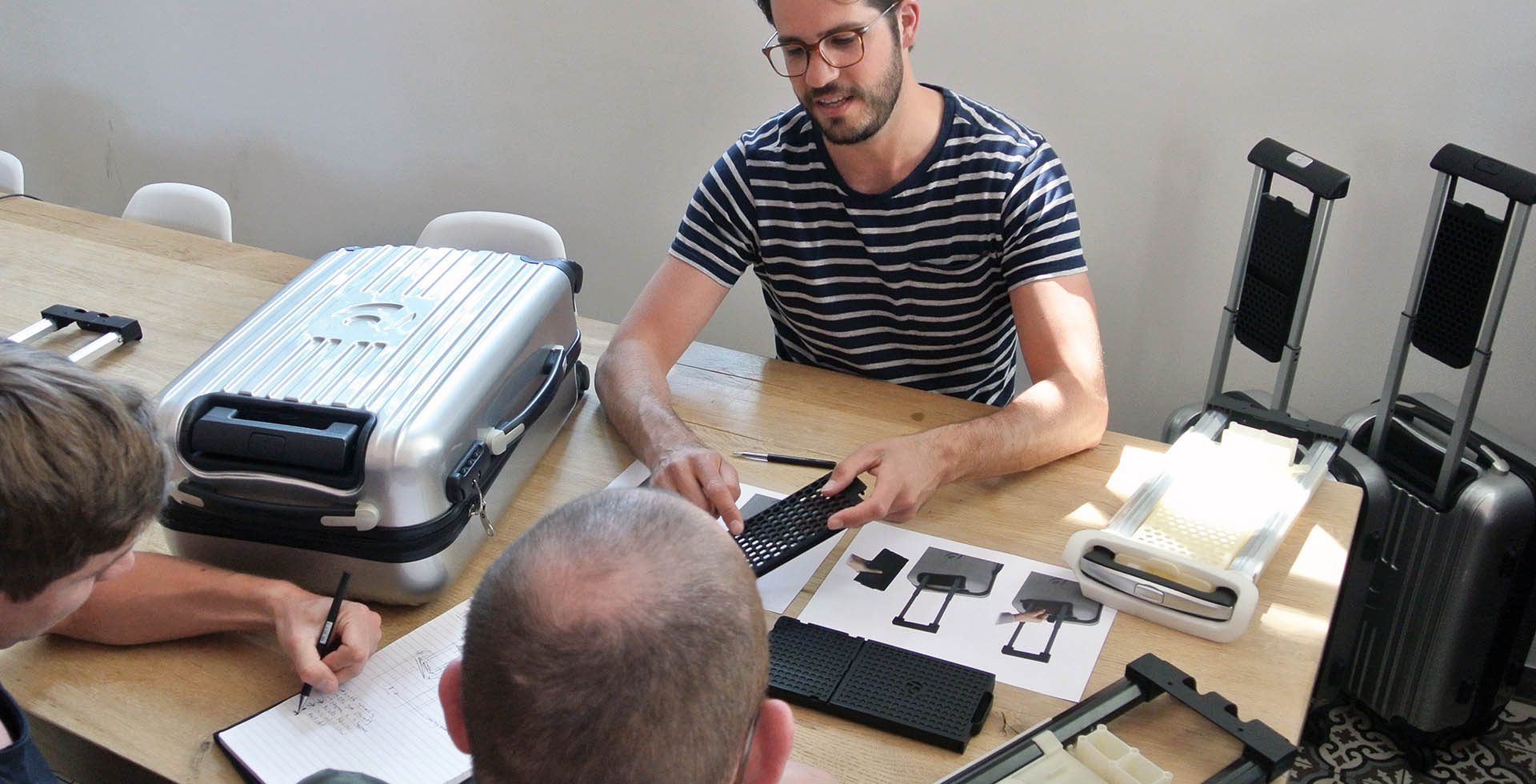
Industrial design is an ever-evolving field. With new products being developed every day, it’s important to know how to protect your product from being copied or otherwise misused. Patenting your product can be a great tool for protecting your intellectual property, but there are both benefits and drawbacks associated with the process. Let’s explore why you may want to patent a product and the potential pitfalls.
A patent is an exclusive right granted by the government to an inventor for their invention. The main purpose of a product patent is to give the inventor full control over their invention so that they can prevent others from using or copying it. Patenting an idea gives you exclusive rights to use your invention for a set period of time (usually 20 years). Having exclusive rights means you can make money off your product with less fear of someone else stealing it from you or profiting from it without your permission. It also creates and additional threshold for competitors from copying your idea or product so they don’t gain an unfair advantage in the marketplace. But always take into account that a patent on invention does not guarantee copycats to stay away, if your product is successful copies will always arise in the market. But by patenting a product in a smart way and with the right lawyers behind you it should be possible to fend copycats off the market.
The process for patenting an invention starts with researching existing patents to make sure yours is truly and technologically novel and non-obvious. This can be done through online databases like Google Patents or through consultations with experienced IP lawyers who specialize in patents. At ManGo, we work with several IP law firms that we can introduce our clients to. The time to file a patent can be quite lengthy so often clients want to pursue to patent an idea early on. This is not always the optimal time as during the development process an initial patent invention idea might not pan out. If there are complex technical challenges it is wise to wait until a Proof Of Concept prototype has been made and validated, before filing for a patent.
Once it has determined that your idea is eligible for patent protection, the next step is to begin the process to patent a product. This involves filing an application with the United States or EU Patent and Trademark Office which will require detailed information about your product as well as drawings or diagrams illustrating how it works. Additionally, it must be proven that your patent idea meets certain criteria in order to qualify. ManGo has worked on many product developments that have been patented. In most of these processes we closely collaborate with patent lawyers to ensure the design is created in such a way allowing for the strongest possible patent on the invention. Sometimes this results in creating a generic patent or having to patent several versions of a product idea to ensure competitors cannot easily find a workaround. The process to patent an idea can take anywhere from 6 months to several years depending on the complexity of your invention and whether or not any disputes arise during this time period. And never forget that it is not allowed to publish or show your patent idea publicly before having it filed. Once an idea has become part of the public domain it becomes impossible to get a patent approved.
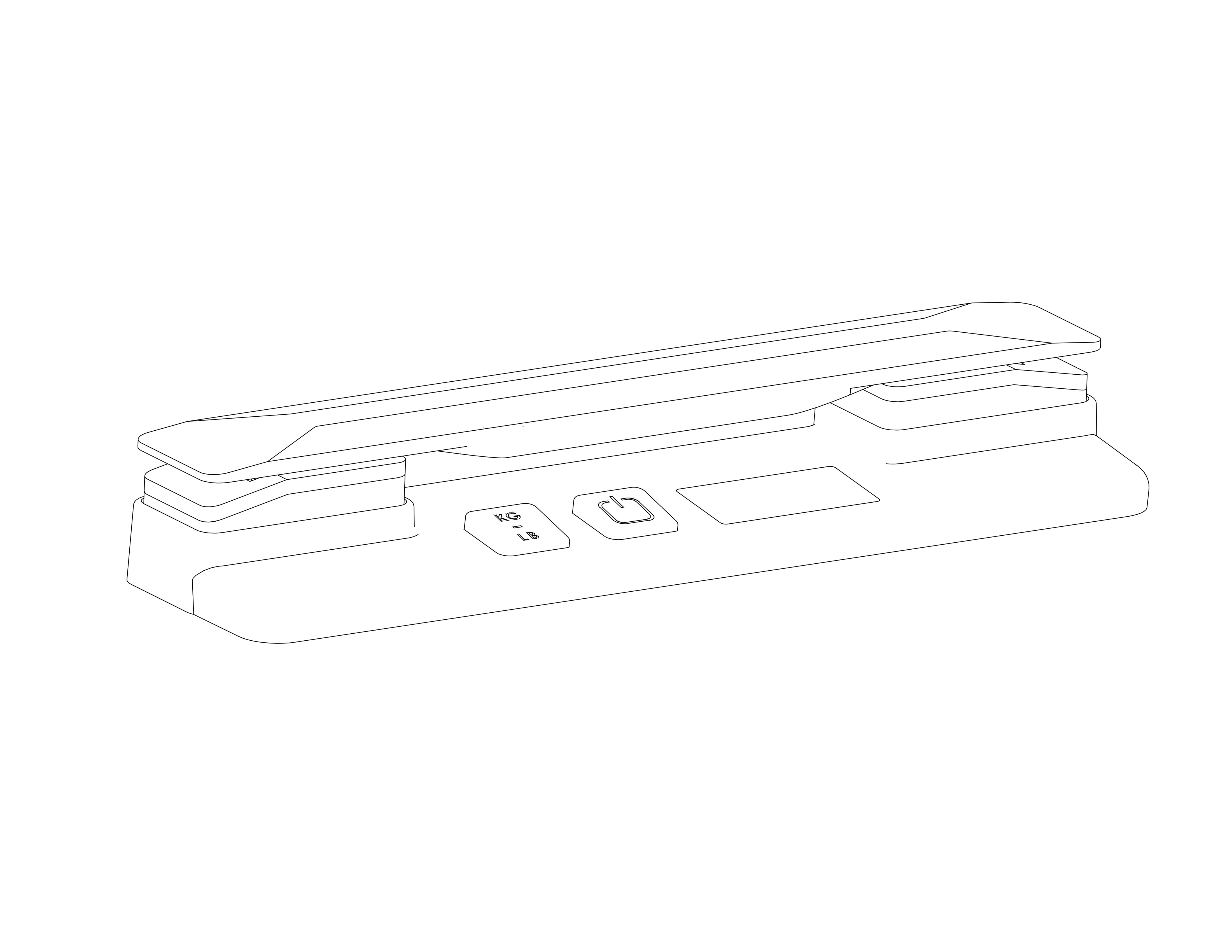
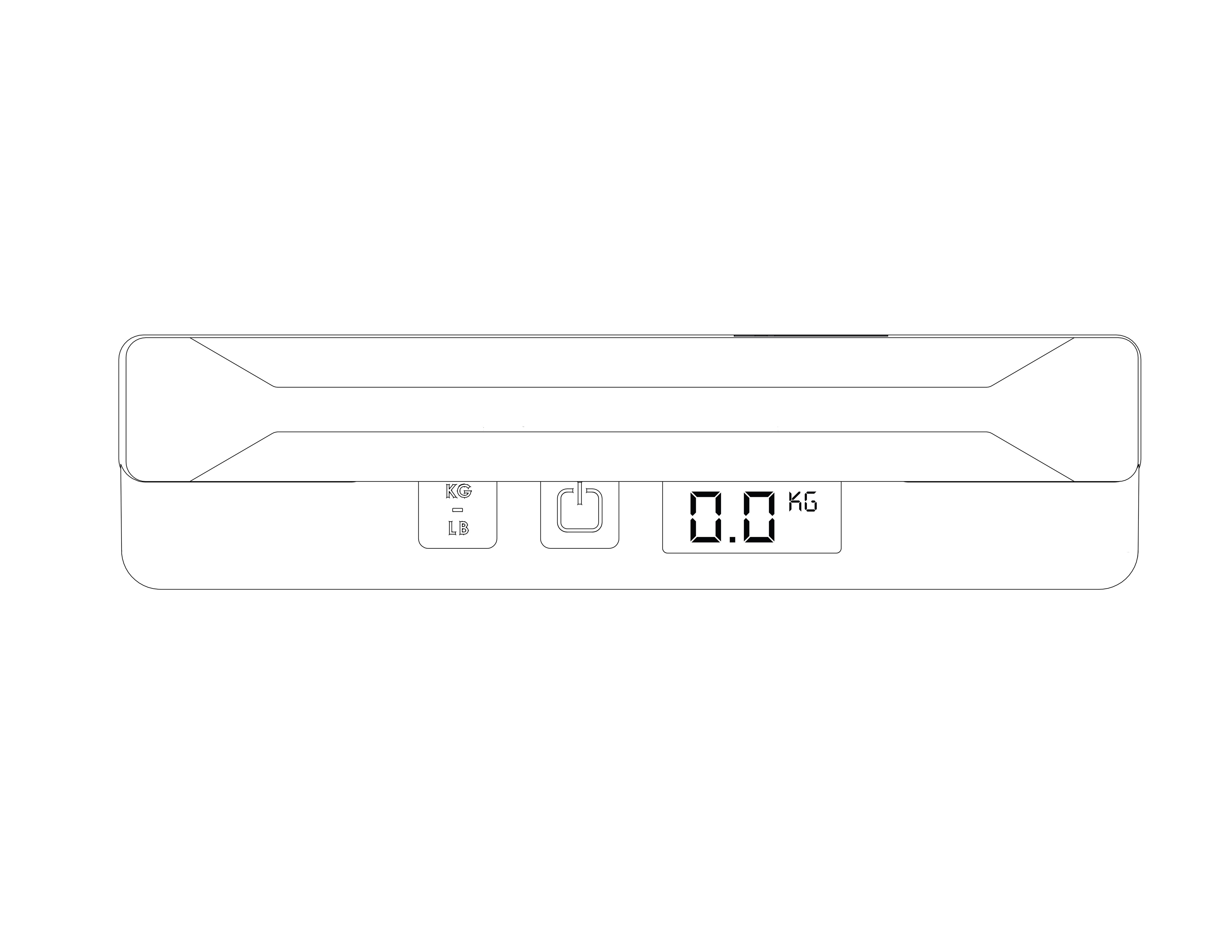
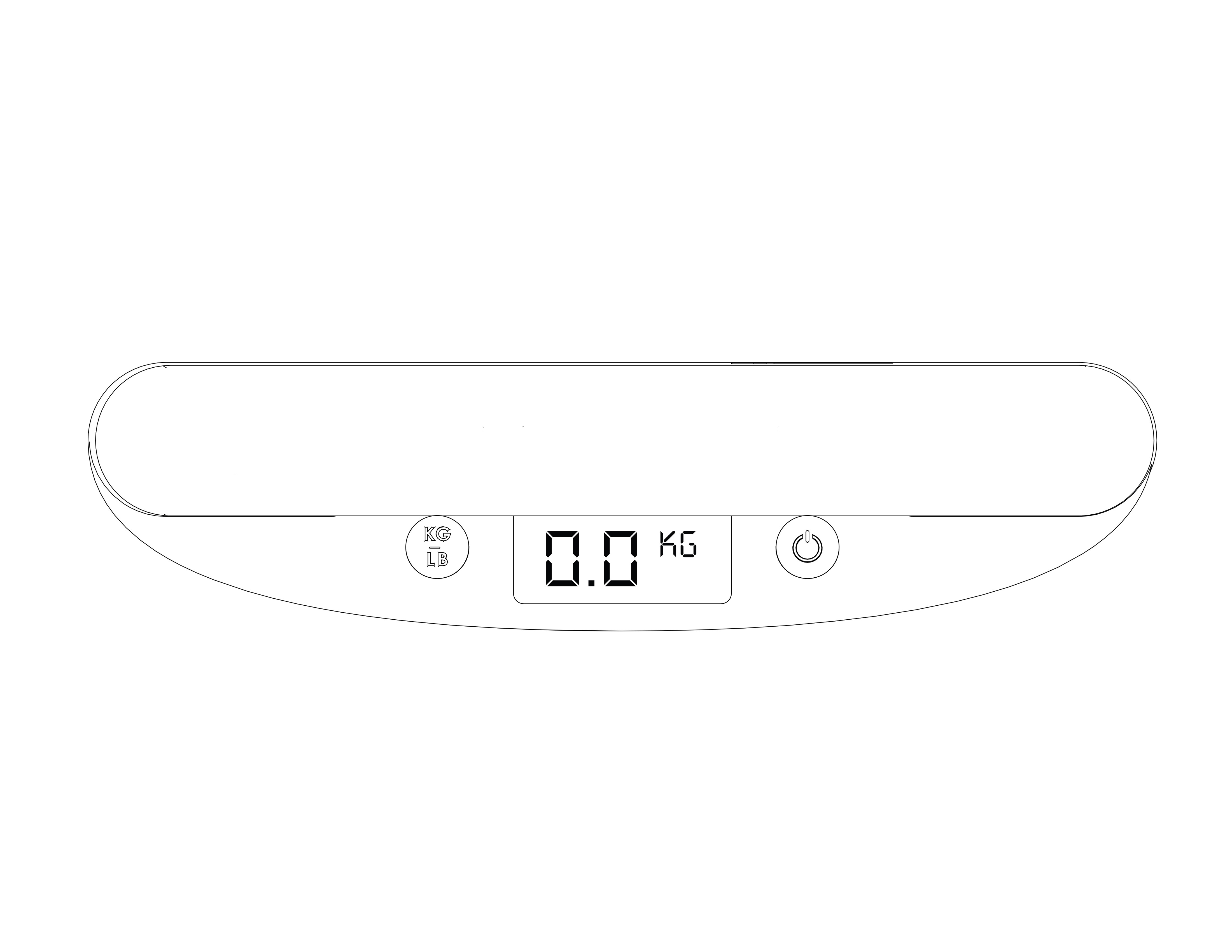
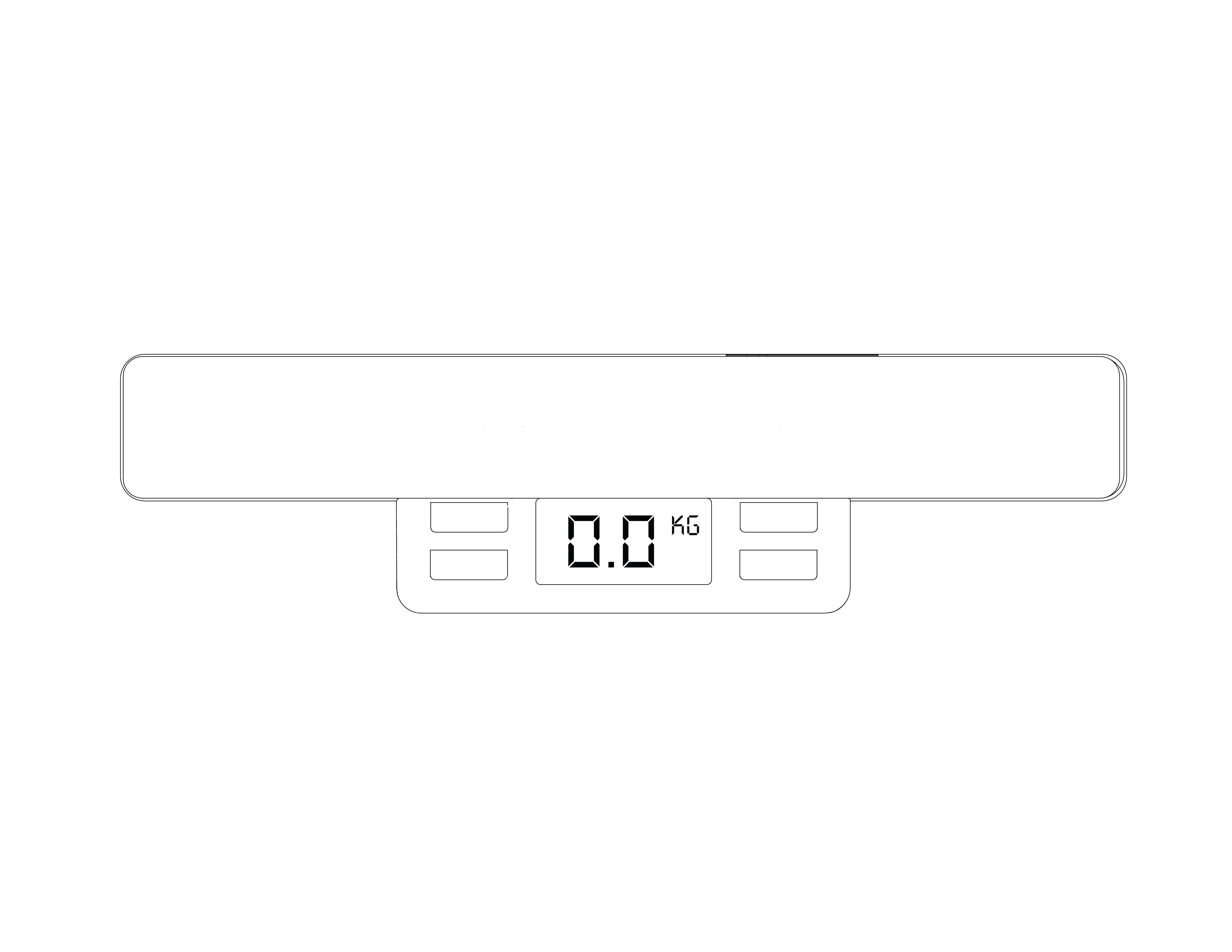
FTO research involves researching existing patents/models in order to make sure there are no legal issues associated with launching a particular product. This type of research is highly recommended by ManGo (even if you have no desire for your own product patent) before taking any steps towards taking an idea from concept all the way through to production.

Model registration is similar to patenting a product but differs in several key aspects. First of all, model registration only applies to non-functional aspects of a product such as its shape or appearance. Secondly, model registration does not give its holder exclusive rights over their invention; instead, it provides them with legal protection against third parties who attempt to copy their product without permission. Model registration also typically lasts less than 10 years whereas patents last up to 20 years or more. Finally, model registration is a lot cheaper than product patents as well as easier and faster to obtain.
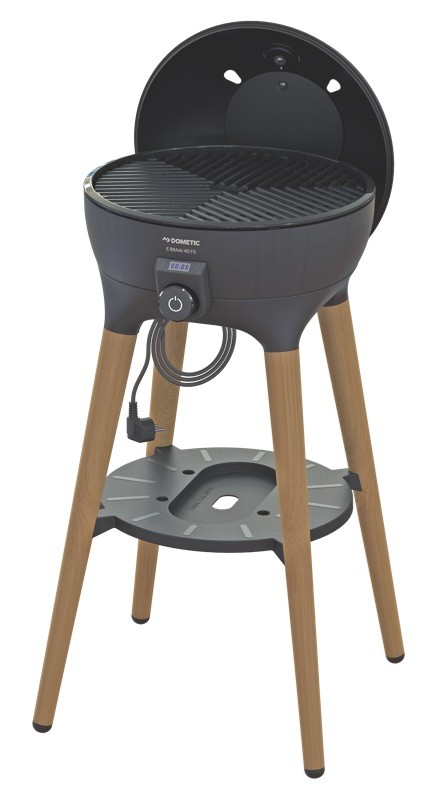
The cost of patenting a product depends on the complexity of the invention and the countries in which protection is sought. In addition to official filing fees, the main cost drivers are patent attorney fees, including prior art searches, drafting the application, and responding to office actions. Official fees for an international PCT application are typically in the range of €3,000 to €4,000, while a European patent procedure via the European Patent Office can amount to approximately €6,000 in official fees. Including professional fees, the total cost up to grant is generally around €10,000 for a national application and between €20,000 and €30,000 or more for a European or international route. After grant, additional country-specific costs apply for validation, such as national fees, translation costs, and local representation, which can range from several hundred to several thousand euros per country, as well as annual renewal fees for as long as the patent remains in force. When all of these costs are taken into account, patenting an idea can quickly become a significant investment. For this reason, many companies choose not to patent their inventions, as resources may sometimes be better allocated to product development or market introduction. It is therefore a decision that should be made carefully; ManGo can advise on the most appropriate strategy, whether that involves pursuing patent protection or deliberately choosing not to do so.
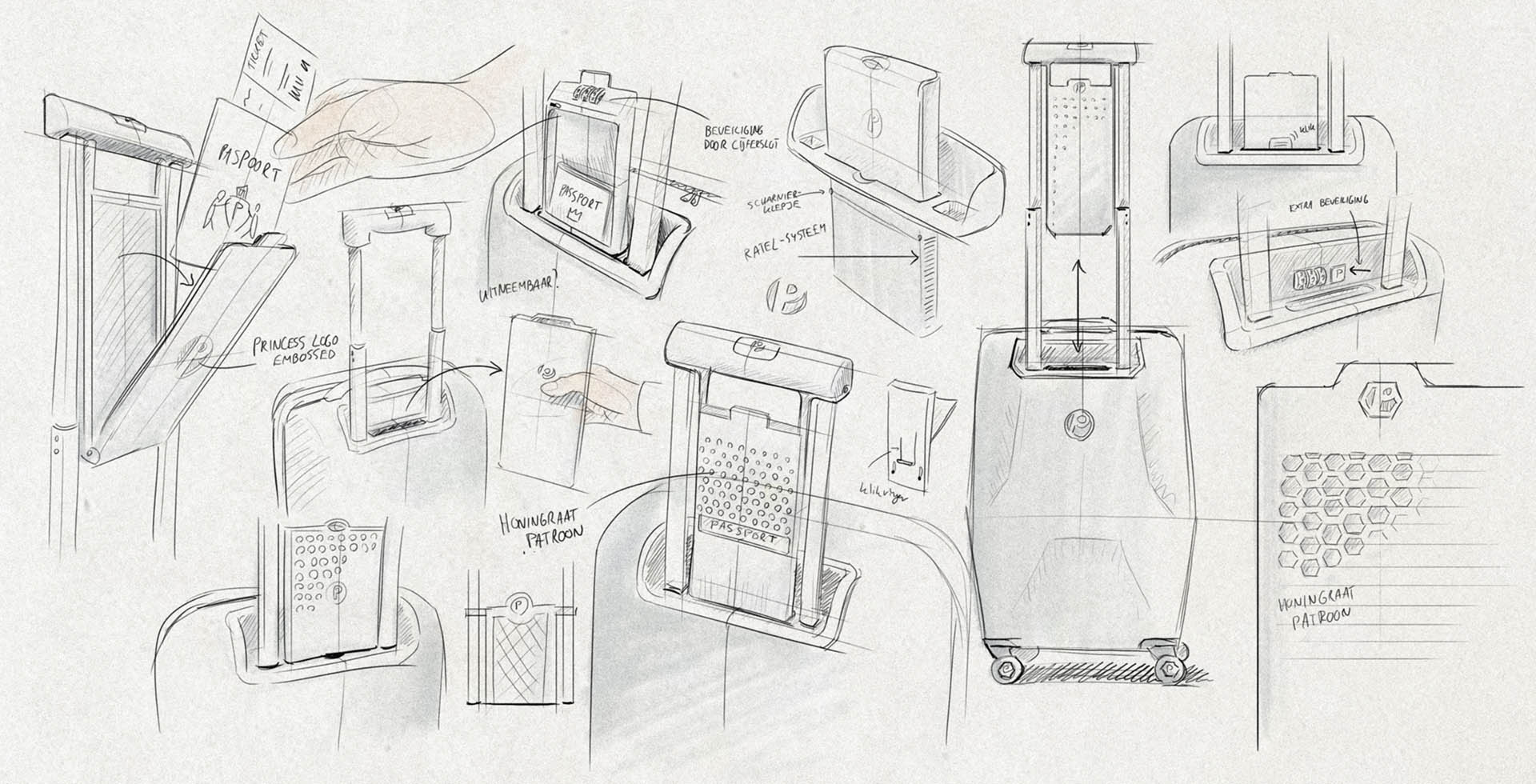
One of the primary benefits of patenting a product is that it grants exclusive rights over its manufacture, use, or sale to its inventor for up to 20 years after registration. This means that if someone attempts to copy your patent idea without your permission, you can legally pursue them for damages in court. Besides protection it is also allows you to sell or license out your invention patent, with possible substantial profits from doing so. Having a product patent can also increase your brand value and add credibility. Which can be useful if you need venture capital funding or other types of investments in order to launch your product.
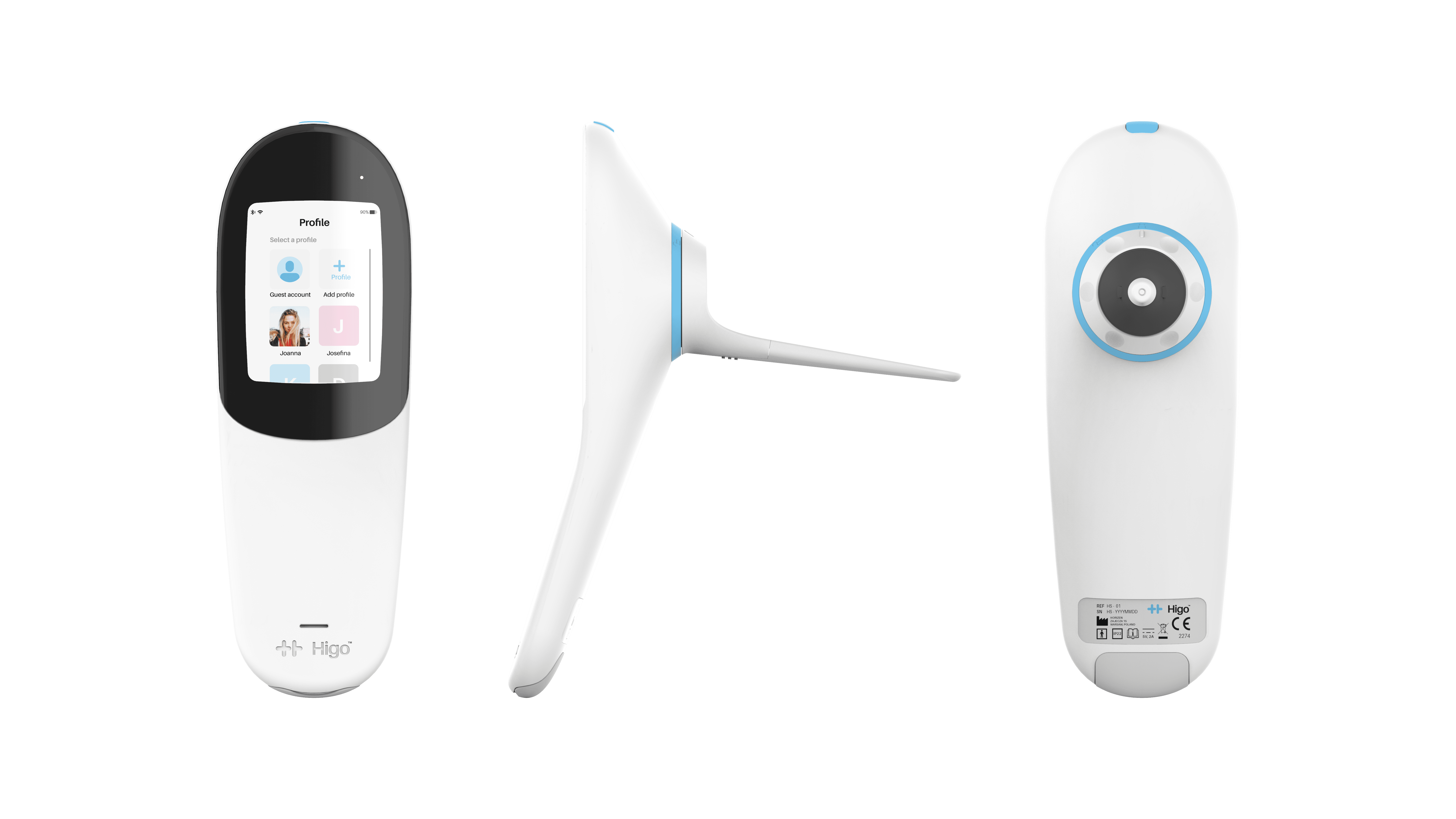
Patenting a product is not an easy process and there are several drawbacks. One issue that many inventors have encountered is that when they attempt to register their invention, they discover there are already similar patents on file which prevent them from getting their own patent idea approved. In such cases applicants must either modify their designs or abandon their efforts entirely which can be both time consuming and expensive. Something ManGo can assist clients with to avoid this from happening. If other patents do not form obstacles, getting a patent on an invention always requires considerable time, money and effort. Which could take away from other areas of business development such as marketing and sales. Also, product patents require continual maintenance which means paying for renewal fees every few years in order for them to remain valid during their lifetime—which could add up significantly over time. Once a patent has been granted its owner must remain vigilant about enforcing their rights and remain on the lookout for copycats.
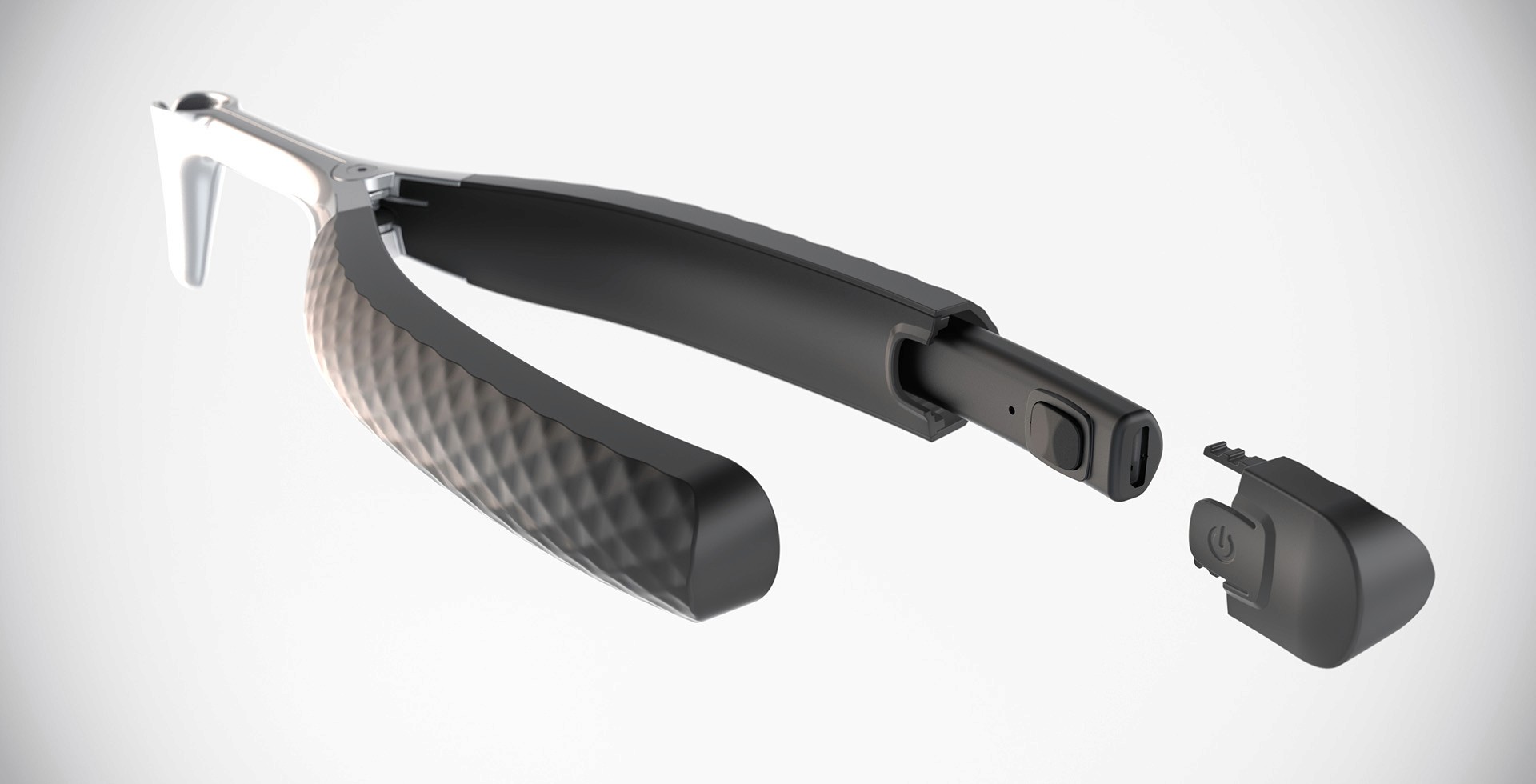
Patenting your product can be an effective way to protect yourself from copycats while increasing brand value and gaining potential investment opportunities down the road—but it’s important that you do your due diligence first in order to understand all associated costs and potential risks involved with pursuing this route before taking any action. ManGo can assist in your research to enable you to make an informed decision about getting a patent on an invention.
©2026 ManGo Product Design | Privacy Policy | Terms & conditions | Cookies