Audio and acoustics

Audio and acoustics in product design cover everything a product is intended to communicate through sound and everything users actually hear. This includes confirmation tones, alarms and voice prompts, but also fan noise, vibration, rattling, airflow and mechanical clicks. These sounds affect usability, comfort, safety, perceived quality and trust. They are shaped by component selection, product architecture, materials, geometry, software and the environment in which the product is used. Acoustic performance should therefore be considered during development, not treated as a final adjustment after the product has already started making unwanted noise.
Audio usually refers to intentional sounds that communicate with the user or contribute to the product experience. Examples include confirmation tones, warnings, alarms, startup sounds, voice prompts and the click of a mechanical control. These sounds should have a clear purpose and match the product, brand and use environment.
Acoustics describes how sound is generated, transmitted, reflected, amplified, reduced and perceived in and around a product. It includes motor and fan noise, airflow, structural vibration, resonance, material damping, speaker placement and sound escaping through an enclosure. Audio is what the product is meant to say. Acoustics determines what the user actually hears.
Product sound design brings intentional interface sounds and unwanted mechanical noise into the same development process. This helps product teams consider communication, perceived quality and acoustic performance as connected design decisions.

Users often judge a product through sound before they consciously think about it. A controlled click can make a mechanism feel precise. A rattling enclosure can make an otherwise capable product feel unreliable. A fluctuating fan tone may attract more attention than a steady sound at a similar level.
Sound can also communicate product status, guide an action or warn of danger. In these situations, the sound must be detectable, distinguishable and appropriate to its urgency. Poorly designed audio can create confusion, alarm fatigue or missed information. For products used in homes, hospitals, workplaces or public spaces, sound also affects other people in the environment.

Almost every physical product can benefit from acoustic awareness. It becomes especially important when a product contains moving parts, produces airflow, communicates through sound or is used in places where noise matters.
Medical devices may use alarms and feedback sounds that affect safety and usability. Heat pumps, air conditioners and ventilation systems contain fans, compressors, pumps and airflow paths that can disturb users or neighbors. Consumer electronics combine speakers, microphones and notifications with compact enclosures. Industrial equipment must balance machine noise with operator comfort and audible safety information. Even hinges, buttons, locks and packaging can influence perceived quality through sound.
The design objective is not always silence. A useful click, calm notification or stable motor sound may improve the experience. The goal is to make sound intentional, appropriate and predictable.

Unwanted noise often begins with a source such as a fan, motor, compressor, pump, gear, bearing, relay or moving mechanism. The product architecture can transmit or amplify that sound through rigid connections, thin panels, air cavities inside the housing or parts that resonate at particular frequencies.
Rattling is commonly caused by loose tolerances, weak fixation or components moving under vibration. Buzzing may come from electronics, transformers or vibrating panels. High pitched tones can originate in fans, motors, airflow or switching electronics. Airflow noise increases around narrow openings, sharp transitions, restrictive grilles and poorly selected fans.
These problems are difficult to solve with insulation alone. Quieter components, better mounting, vibration isolation, greater structural stiffness, smoother airflow and controlled operating modes are often more effective. The strongest solution usually combines several small improvements.

An interface sound should begin with meaning. The team must define what the user needs to understand, whether action is required and how urgent the message is. A confirmation, warning, error and critical alarm should not communicate the same level of urgency.
The environment matters as well. A sound that works in a quiet office may disappear in a factory or become intrusive in a bedroom. Distance, background noise, repetition, privacy and differences in hearing should be considered. Important information should not rely on sound alone. Light, display messages, haptic feedback or physical indicators can provide additional confirmation.
Interface sounds should be tested with users without explaining their meaning first. Can people detect the sound, distinguish it from other signals and interpret it correctly? Does it create the intended urgency? Does it remain acceptable after repeated use? A sound that works once may become irritating when heard throughout the day.

Sound pressure is often expressed in decibels, including the commonly used A weighted value dB(A). This is useful, but a single number does not fully describe how a product will be perceived. Frequency, tonality, sharpness, roughness, variation, duration and repetition can all influence annoyance and perceived quality.
Two products with a similar dB(A) value may sound very different. A steady low hum may fade into the background, while a quieter high pitched whine continues to attract attention. Acoustic development therefore needs both objective measurement and subjective listening. A microphone shows what happened. Users reveal what that sound means in practice.
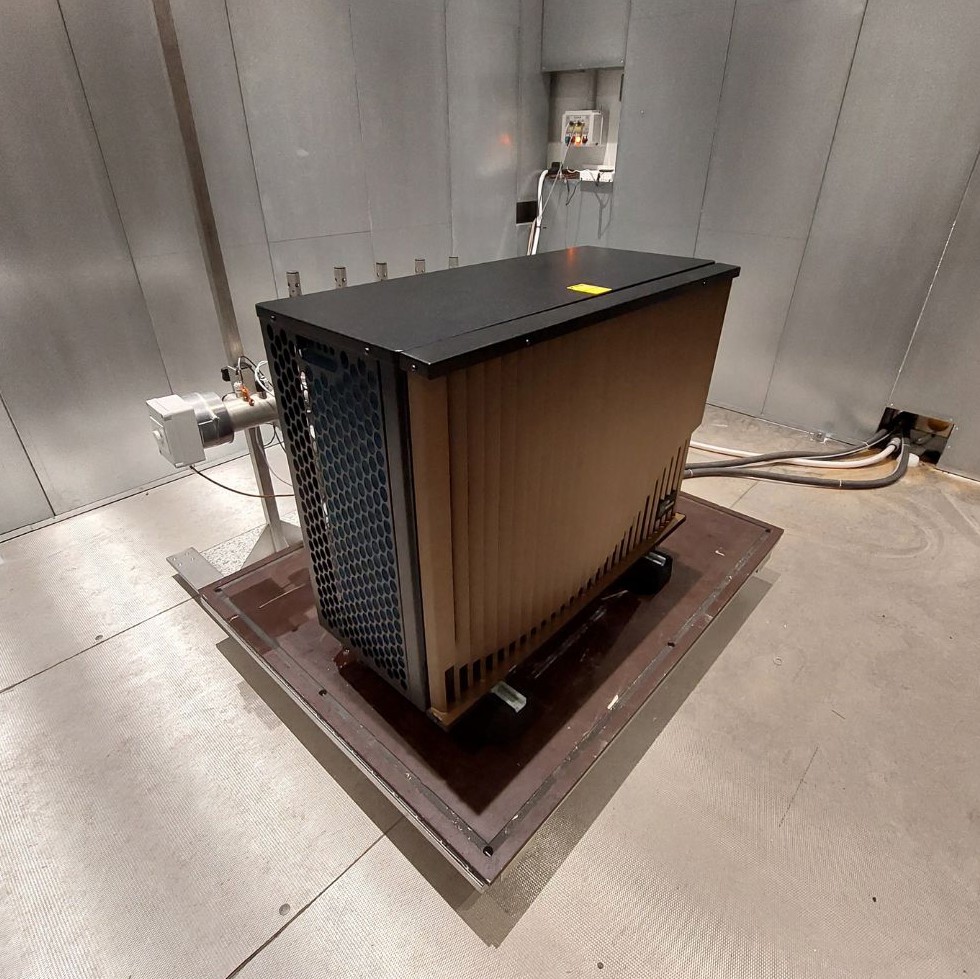
A structured product development process brings acoustic performance into the same decisions as functionality, ergonomics, appearance and manufacturing. It typically includes five connected steps.

Start by describing the intended sound and the sounds that should be avoided. Define whether the product should be quiet, provide feedback, communicate urgency or express a particular brand character. Consider the use environment, distance to the user, operating time, relevant noise limits and whether people may be sleeping, working or recovering nearby.
These goals should become measurable and testable design inputs. A requirement such as “not annoying” is understandable, but it must be translated into operating conditions, measurement methods and acceptance criteria.

List the possible sound and vibration sources, including fans, motors, pumps, compressors, speakers, buzzers, valves, mechanisms, airflow and loose parts. Then examine how their energy can reach the user or the surrounding environment.
A quiet component can become loud when it excites a panel or enclosed air volume. A vibration source can travel through a mounting structure and appear somewhere else in the product. Identifying both the source and the transmission path prevents teams from treating only the visible symptom.

Component position, mounting strategy, airflow geometry, enclosure stiffness, materials and openings all affect sound. These decisions should be explored while the architecture can still change. Early rigs and prototypes can compare fans, test isolation concepts, reveal resonance and evaluate speaker or microphone placement.
This work should be included in the product development timeline. Waiting until final engineering often leads to heavier parts, improvised damping or changes that conflict with cooling, serviceability and production.

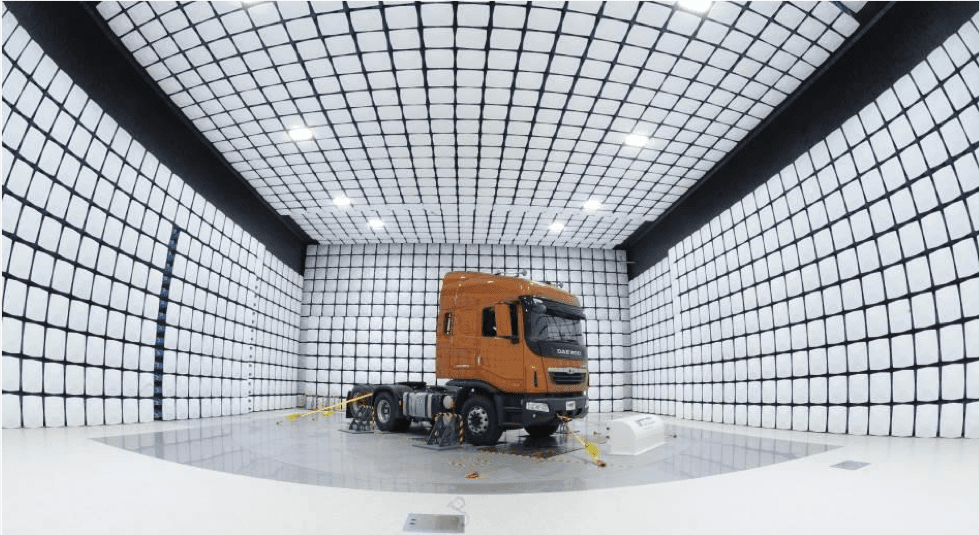
Objective testing may include sound pressure, sound power, frequency spectra and vibration measurements under defined operating conditions. Subjective testing can assess interpretation, annoyance, perceived quality, brand fit and the effect of repeated use.
Tests should represent the real environment wherever possible. Mounting, nearby walls, corners, flooring, background noise and user distance can change the result. For outdoor equipment, installation may be just as important as the product itself.
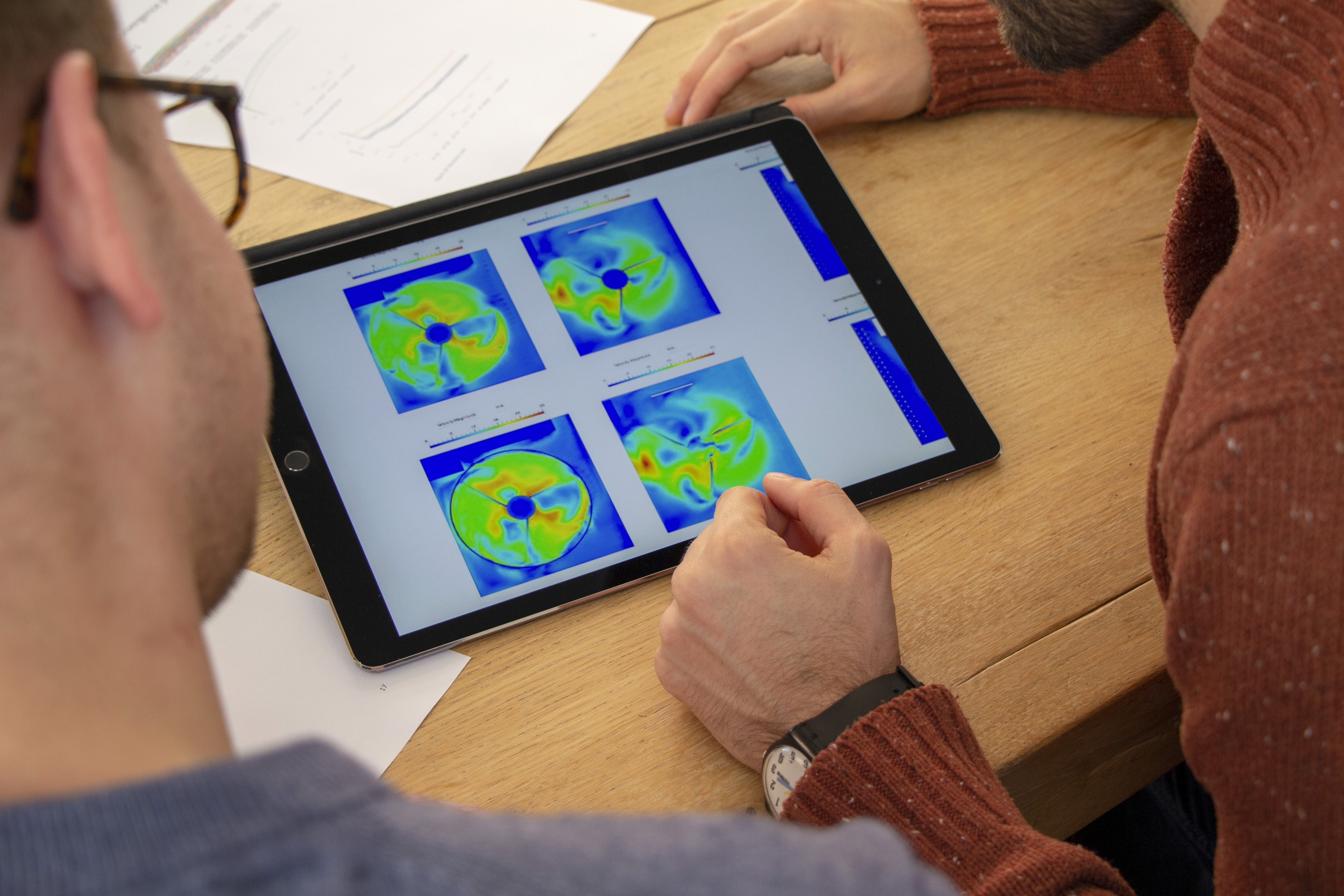
Acoustic improvements may require changes to geometry, tolerances, components, materials, mounting, airflow, software controls or interface sounds. Each change should be tested again to confirm that it solves the acoustic problem without creating issues with heat, durability, assembly or maintenance.
Final development deliverables may include acoustic requirements, test conditions, measurement results, sound files, volume ranges, remaining risks and production controls. A solution that works in one carefully assembled prototype must still be repeatable in series production.

The applicable requirements depend on the product, market and use environment. Some medical electrical equipment uses alarm systems that may need to comply with IEC 60601-1-8. The standard defines requirements, tests, alarm priorities and consistent alarm signals.
ISO 3744:2025 describes engineering methods for determining the sound power level of noise sources from sound pressure measurements. In the European Union, certain categories of outdoor equipment fall within Directive 2000/14/EC on environmental noise emissions.
These examples do not apply to every product. Acoustic and regulatory requirements should be identified early with the relevant specialists and test laboratories, particularly when sound affects safety, certification, installation or market access.
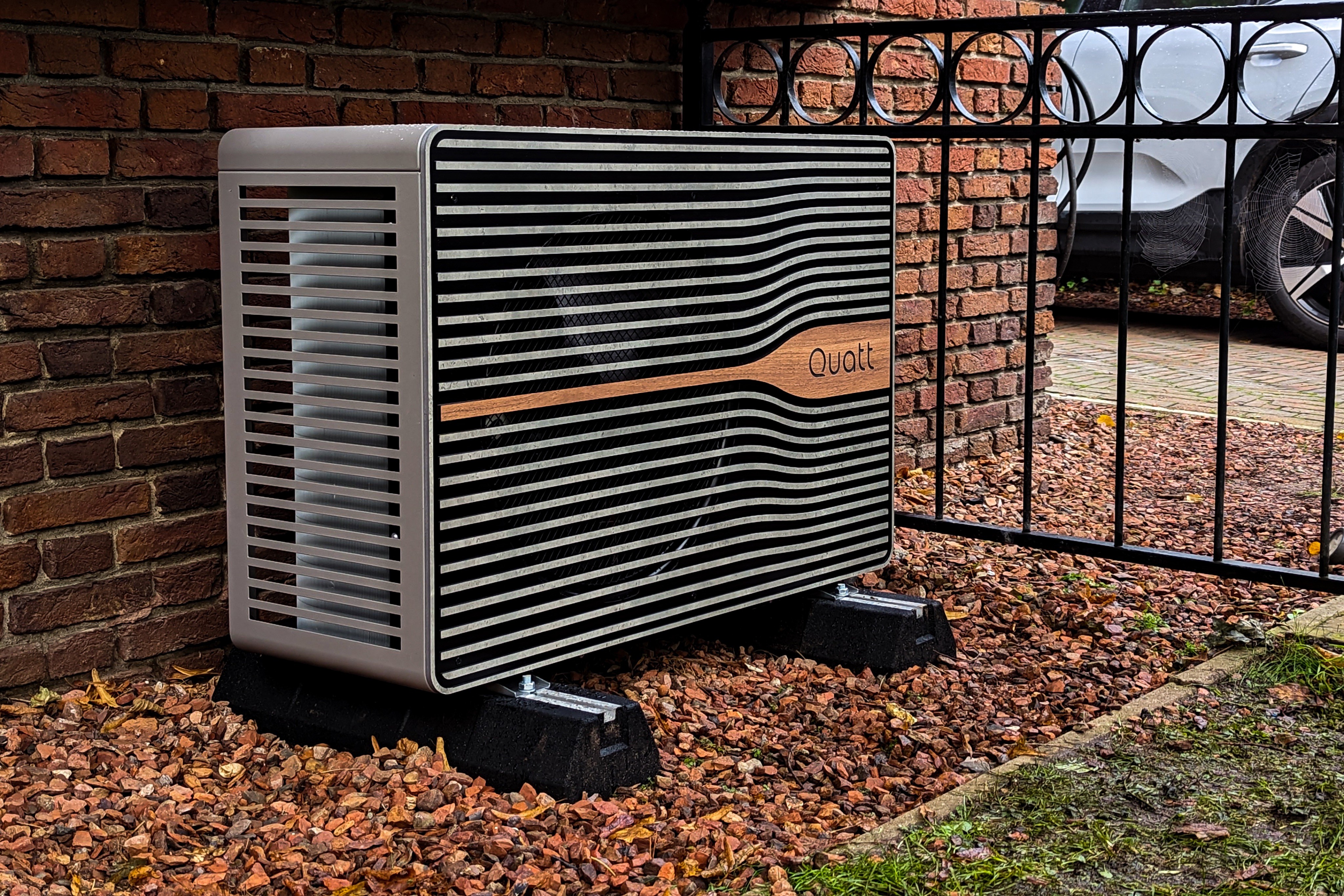
ManGo’s work with DeWarmte shows how acoustics can become part of the wider product architecture. Across a family of heat pumps and boilers, the teams had to balance airflow, noise reduction, thermal efficiency, appearance and manufacturing. For the boiler, ManGo developed an aluminum ribbed core enclosed by rotomolded parts. This construction combined structural strength, acoustic damping and thermal performance.
The example also shows why sound cannot be isolated from the rest of product development. A change that reduces noise may affect airflow, cooling, dimensions, service access or cost. Acoustic performance improves when industrial design, mechanical engineering and specialist testing work together.
ManGo Product Design can help define acoustic requirements, identify likely noise sources and incorporate sound into product architecture, prototyping and testing. Our industrial designers and engineers can explore component placement, mounting, enclosure stiffness, airflow, materials, mechanisms and user feedback as connected design decisions.
ManGo is not an acoustic certification laboratory. When specialist measurements, regulatory assessment or certification are required, we can collaborate with acoustic engineers, test laboratories and regulatory specialists. Test findings can then be translated into practical design changes that remain manufacturable and consistent in production.
This approach is relevant for climate products, medical devices, consumer electronics, industrial equipment and other products where sound influences usability, comfort, safety or perceived quality.
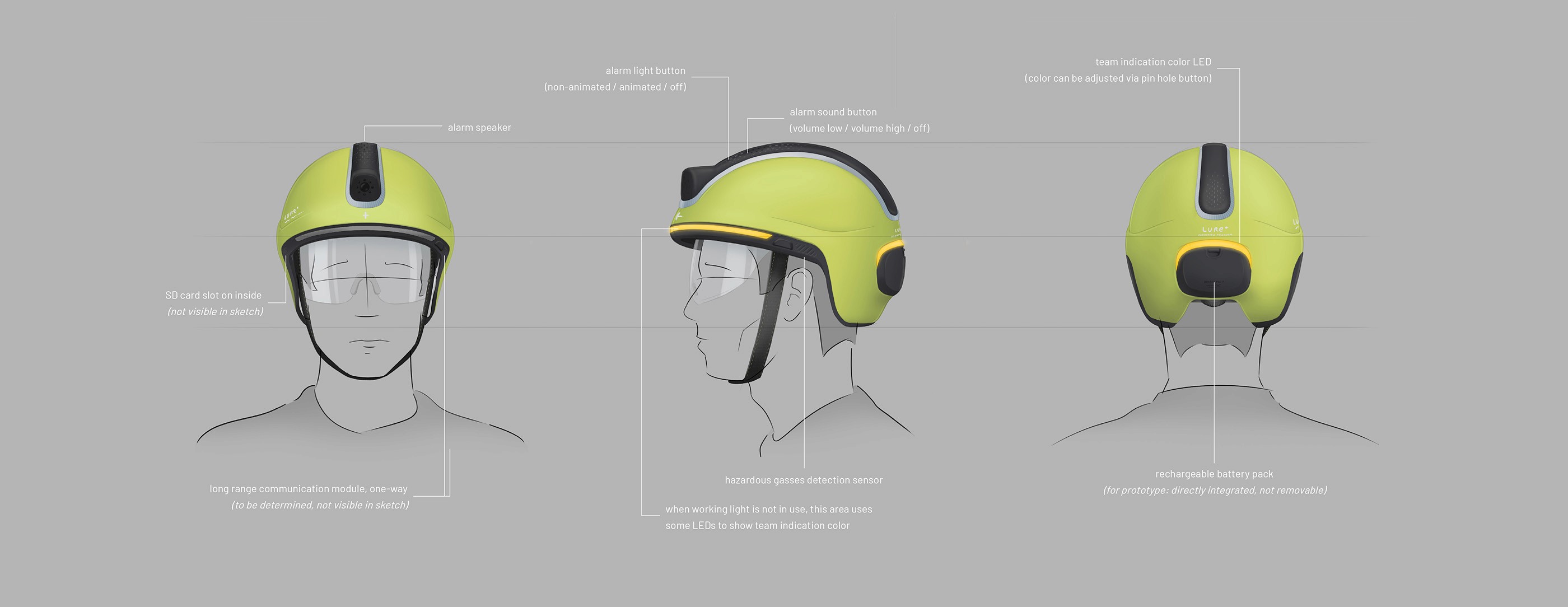
Audio and acoustics are part of how a product works and how it feels. Intentional sounds should communicate clearly, while unwanted noise should be controlled through component choices, product architecture, vibration management, airflow design and testing.
The best results come when acoustic goals are defined early and evaluated throughout development. Objective measurements explain the physical behavior, while user testing shows whether the result is understandable, comfortable and appropriate in practice.
Does your product need to sound quieter, communicate more clearly or create a better user experience? ManGo can help identify acoustic risks, develop quieter product architectures and coordinate specialist testing before changes become expensive.

©2026 ManGo Product Design | Privacy Policy | Terms & conditions | Cookies