Moulding matters: engineering decisions that impact looks.
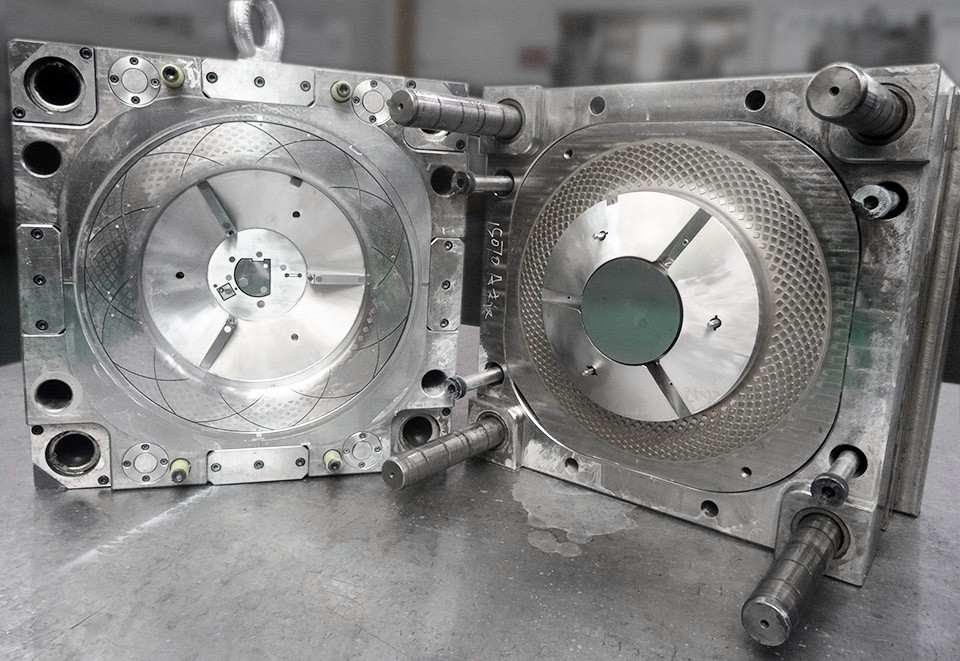
Nothing kills the vibe of a beautifully designed product faster than a mysterious dent, a shiny circle or a weird little line running across the middle of your housing. If you’ve ever wondered why that otherwise-perfect injection moulded part has a visible split line or an odd shadow near the corner, welcome to the world of mould engineering. It’s not always glamorous, but it’s where a lot of the final product’s appearance level is won, or lost. When we move from design to tooling, reality sets in. The beautiful shapes you’ve envisioned now need to be produced in a mould that is filled with molten plastic, splits open and pushes the part out without breaking it. Every parting line, ejector pin and mould surface finish has consequences. So let’s walk through the main causes behind those visible features, and how we at ManGo apply smart engineering to keep them under control.
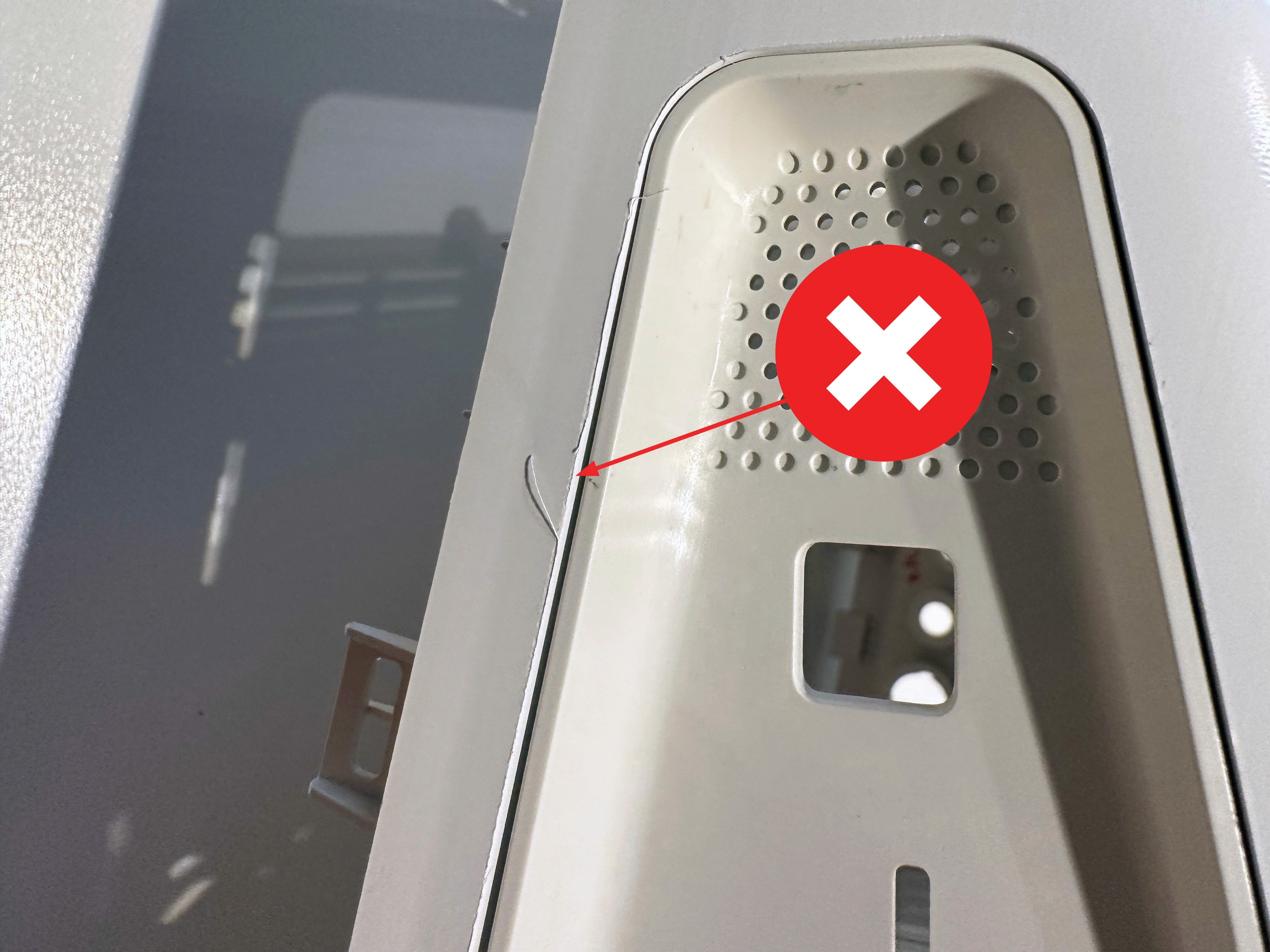
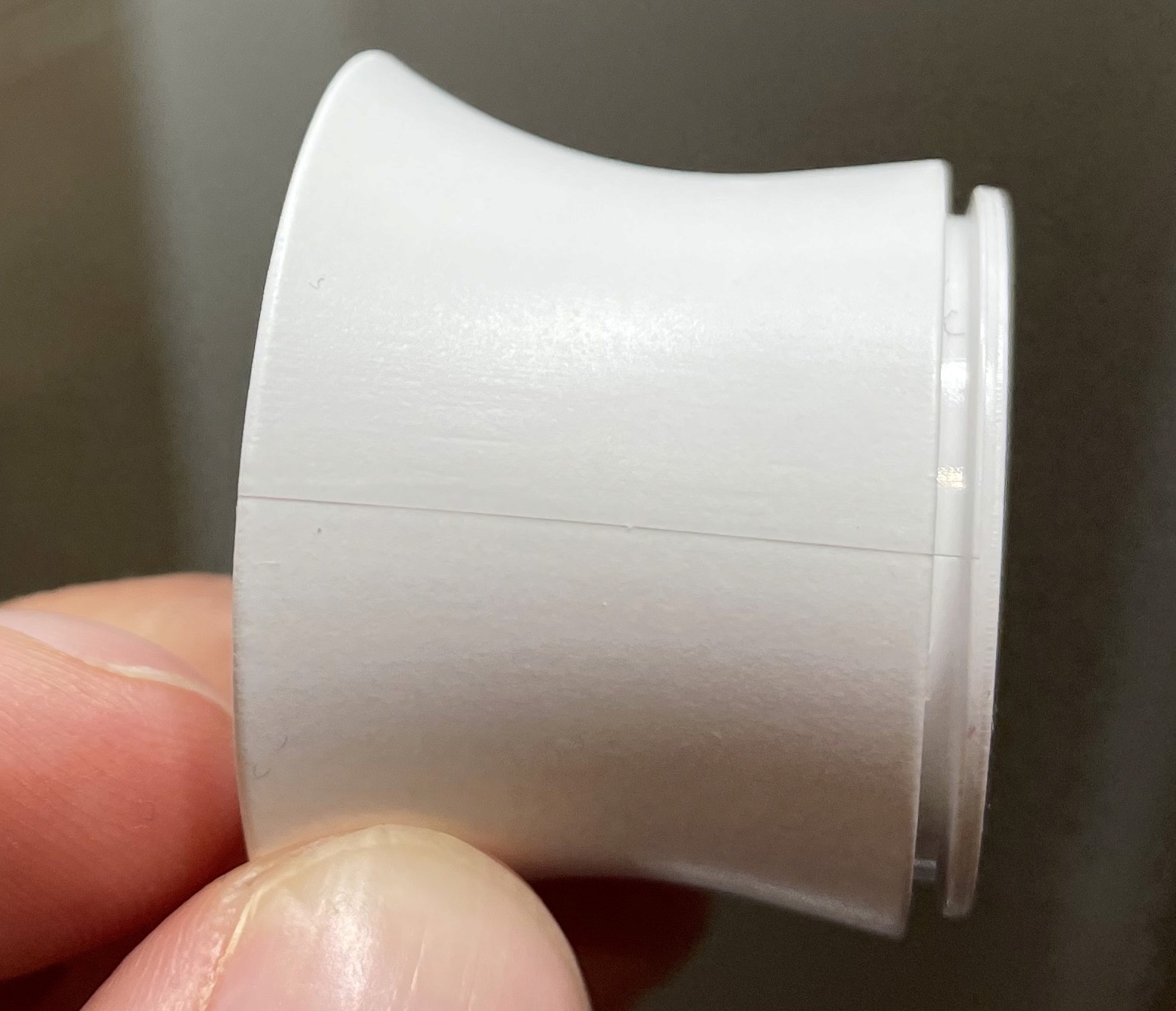
Split lines (a.k.a. parting lines) are where the two halves of a mould meet and unfortunately, they like to announce their presence. You’ll often see them as fine seams on the edge of your part. While they’re unavoidable, they can be cleverly hidden by placing them along sharp edges, recesses or any area already part of the geometry. At ManGo, we often design parts with these lines in mind from the very first sketch. Want them at the back of the product? No problem. Want them to align beautifully with other features so they look intentional? Consider it done.
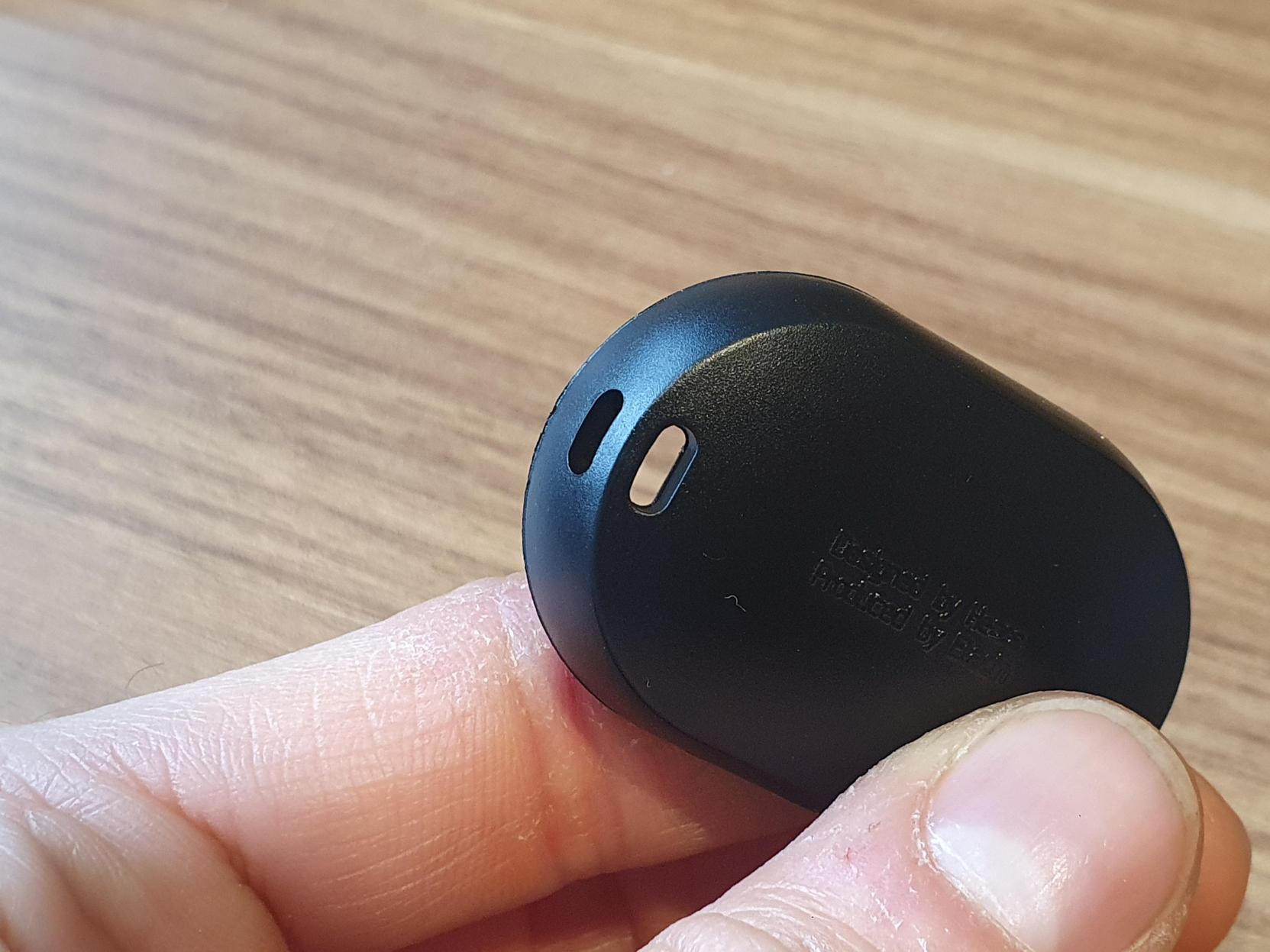
You know those tiny, slightly raised dots that look like the part has a pimple? That’s the injection gate (or point) where the plastic entered the mould. Some gates leave nearly invisible marks, others are more obvious. The type of gate (pin gate, edge gate, tunnel gate, etc.) and its position affect the surface finish and the way material flows. Ideally, you want these points on the inside of the product or in an area that won’t be visble We often help clients make trade-off decisions between part quality and gate location. Additionally, placing the gate correctly can also help reduce warpage and improve how well the mould fills.
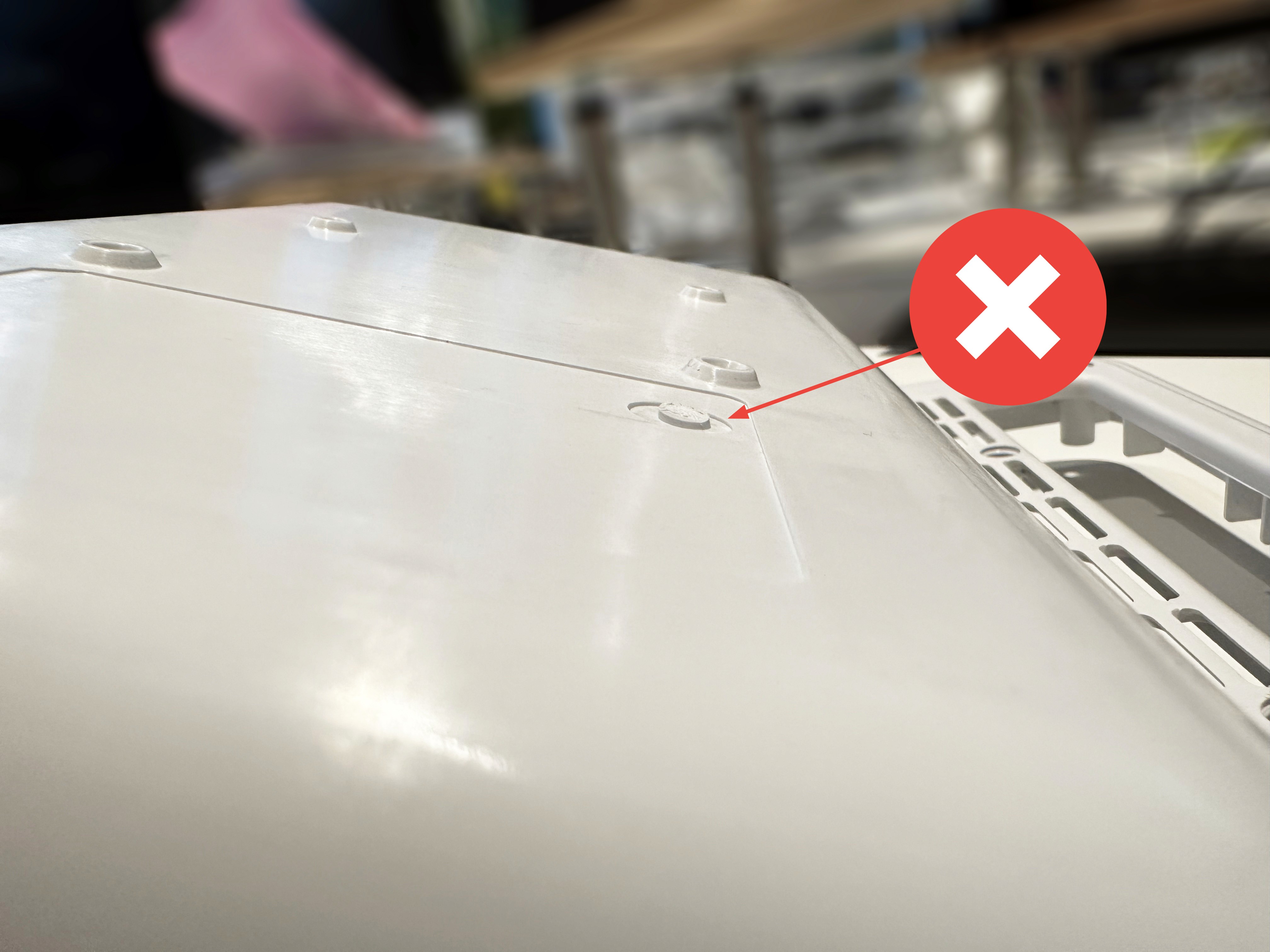
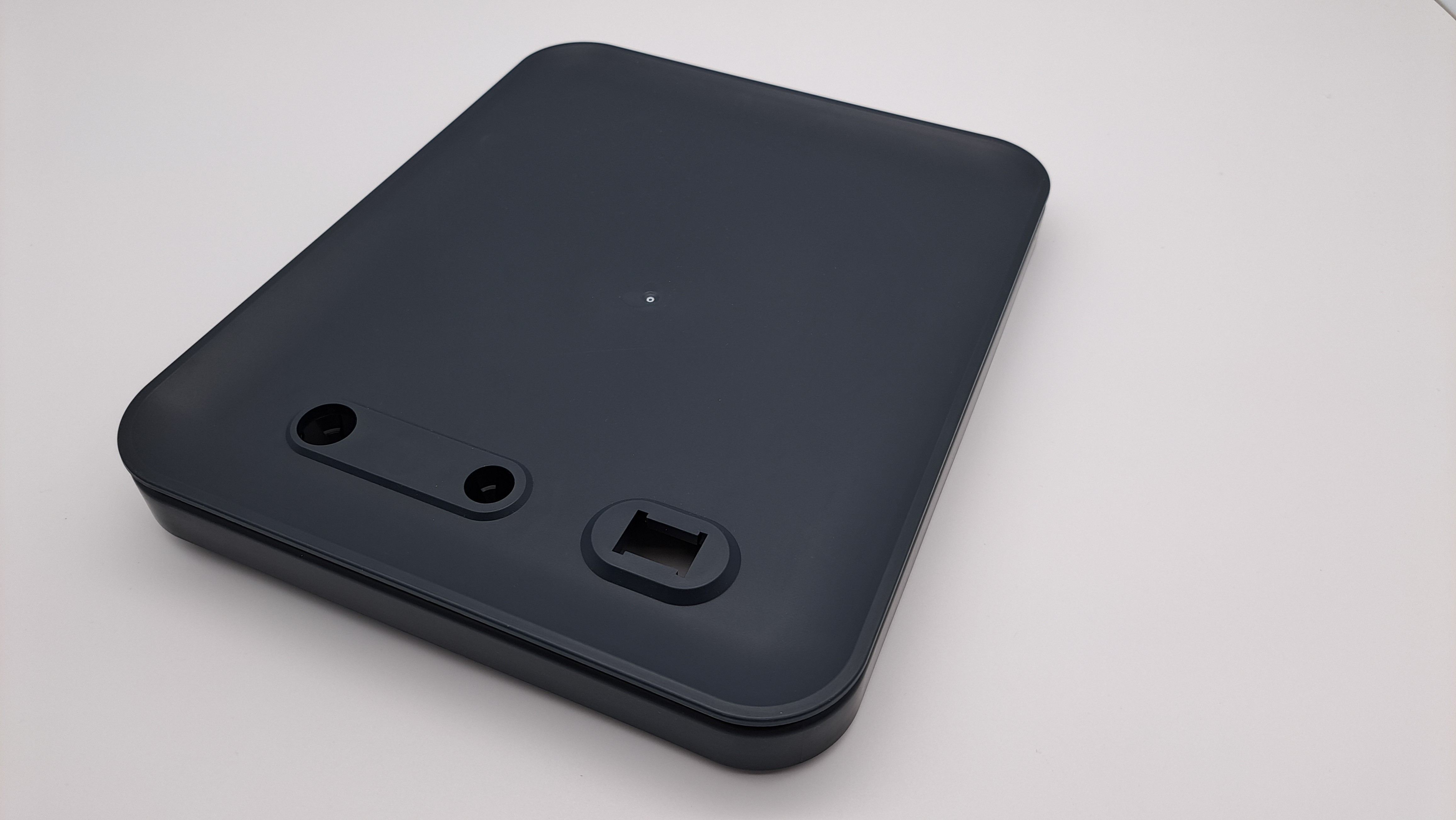
Once your product has cooled down in the mould, it doesn’t just hop out on its own. Enter ejector pins, small metal rods that push the part out. These leave small circular marks, often visible on the inside of parts. While you can’t eliminate them entirely, we can place them in areas that are less visible (or hidden behind labels, rubber feet or battery covers). For high-end products, we can even use custom ejector systems to minimize their appearance. Still, if your product needs to look like it was machined from high end materials we consider designing those areas as aesthetic “zones” from the start.
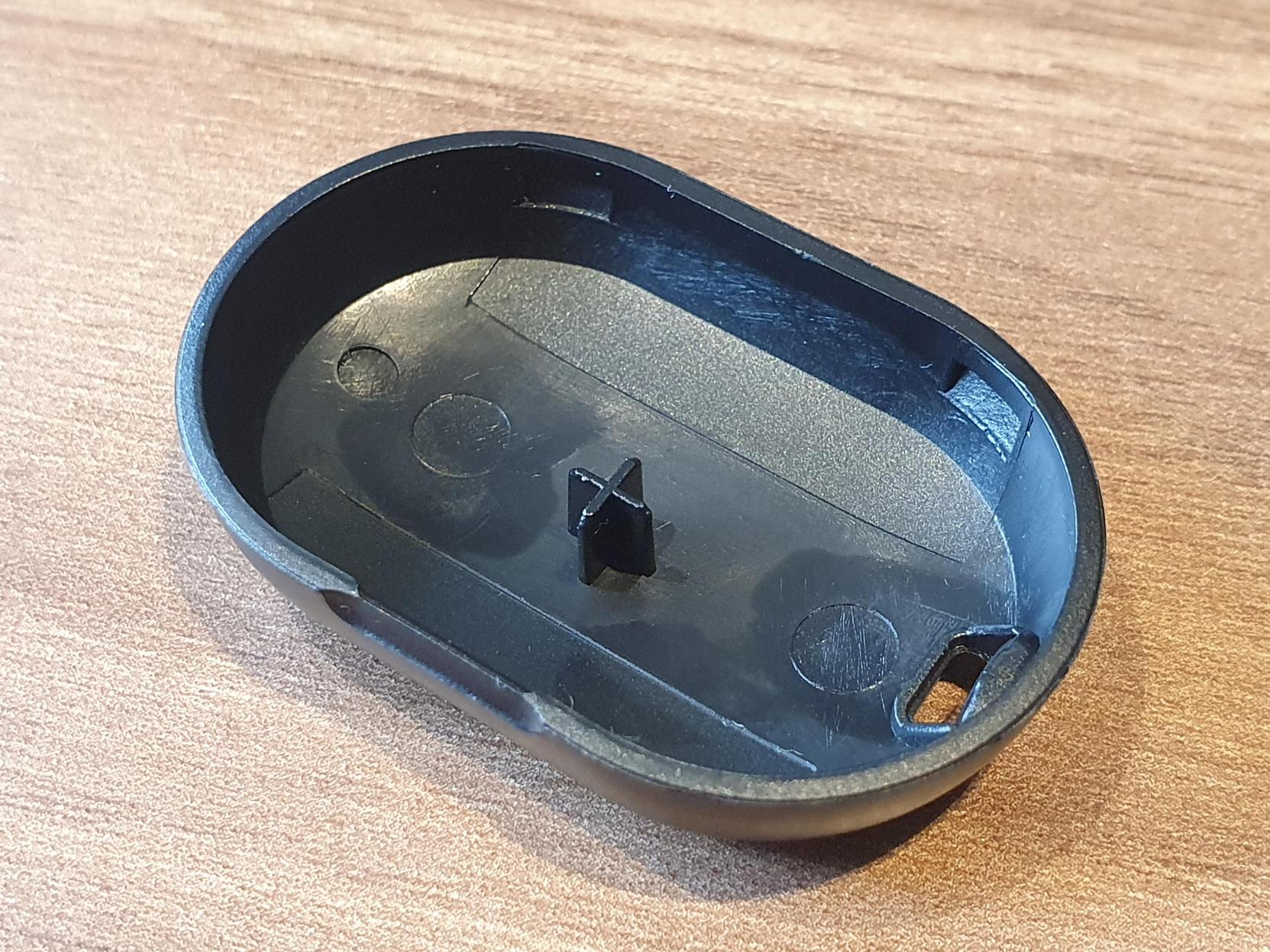
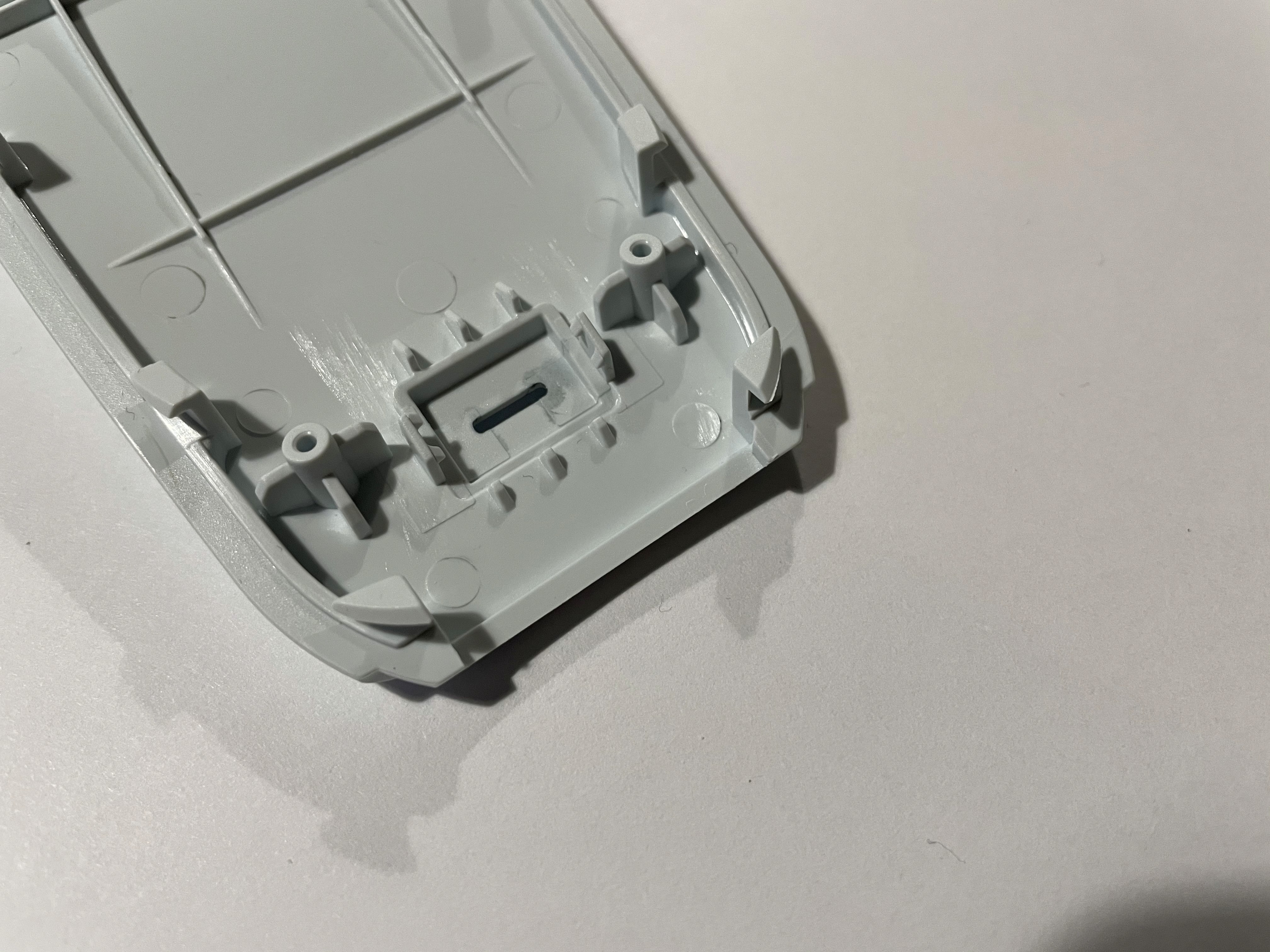
Sink marks occur when thick areas of plastic cool and shrink unevenly, usually near ribs, bosses or thick walls. The result? A dent or shadow that looks like someone pressed a thumb into the part. These are preventable with smart design: use thinner wall sections, add coring to reduce thickness or stagger ribs and bosses to spread out the heat. Bonus: all these tricks not only improve the appearance but also shorten cooling times, which means faster cycle times that results in cheaper parts. At ManGo, we always take into account the specific type of plastic used (out of the thousands available), since each one comes with its own quirks, behaviors and technical requirements when it comes to preventing sink marks.

Flow lines happen when molten plastic cools at different rates while moving through the mould, leaving streaks or subtle discolorations. Weld lines (or knit lines) form where two flow fronts meet and don’t fully fuse. You’ll often find them near holes, notches or complex part geometries. These can be cosmetic, but sometimes structural too. The solution? Tweak gate location, adjust flow speed, or use better (read: more expensive) materials. Or call us. We’ve done our fair share of weld-line detective work.
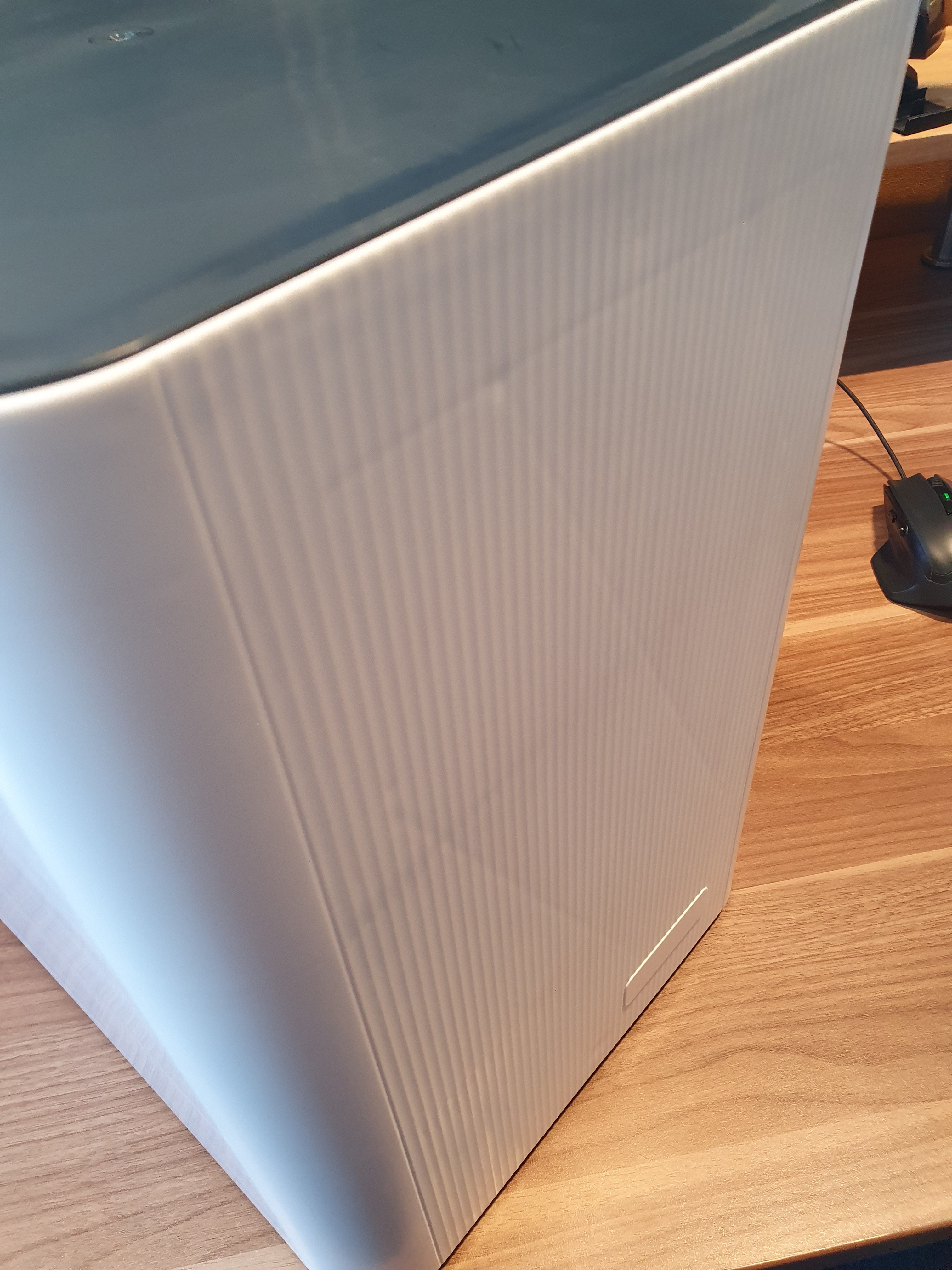

The texture of your mould has a direct impact on how your product looks, feels and how many fingerprints it attracts. Want a high-gloss finish? Prepare for a highly polished (and pricey) mould. Prefer a soft-touch matte? A sandblasted or EDM finish can do the trick. Keep in mind that different finishes show wear and defects differently, so choosing the right one isn't just aesthetic, it’s strategic. We help clients pick finishes that match the product’s use case, brand image and manufacturing realities.
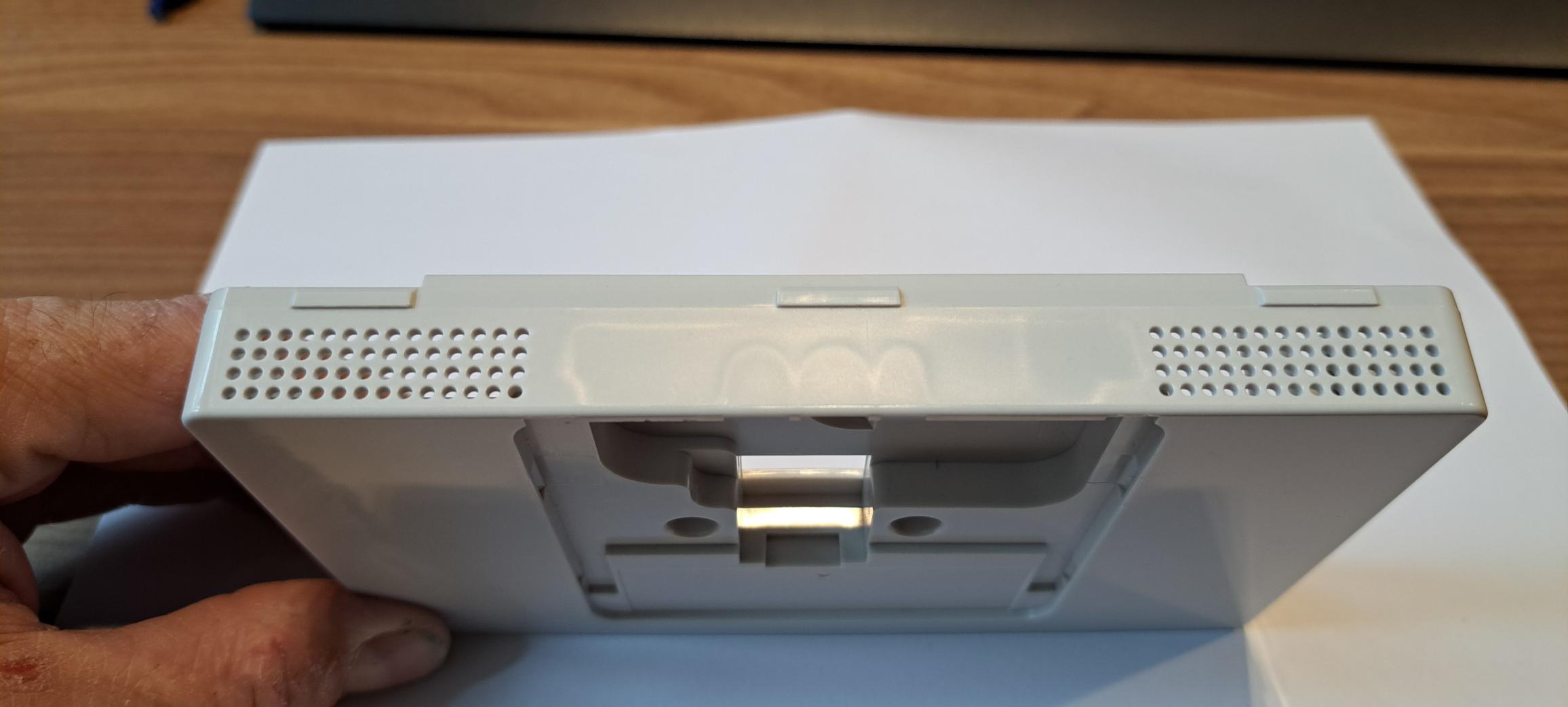
Even after everything is engineered “perfectly,” molten plastic still has one final say. As it cools, it shrinks, and not always in a predictable way. This shrinkage doesn’t happen uniformly, and when different areas of a part cool and contract at different rates, warping can occur. Suddenly, your straight, flat panel starts to resemble a potato chip. Warping is most often caused by uneven wall thicknesses, poor gate placement, lack of symmetry or insufficient draft angles. But it's also influenced by the geometry of the part and how it's oriented within the mold. Long, thin parts or flat surfaces are particularly vulnerable. Material choice plays a big role too: some plastics are more prone to warping due to higher shrinkage rates or internal stresses during cooling. What worked fine in ABS might warp dramatically when switched to polypropylene. To avoid these headaches, we carefully balance wall thickness, add structural ribs, optimize gate positions and ensure even cooling through clever mold design. On top of that, we use simulation software to predict warpage before the mold is built, and, of course, our engineers have seen more plastic “war stories” than they’d like to admit.
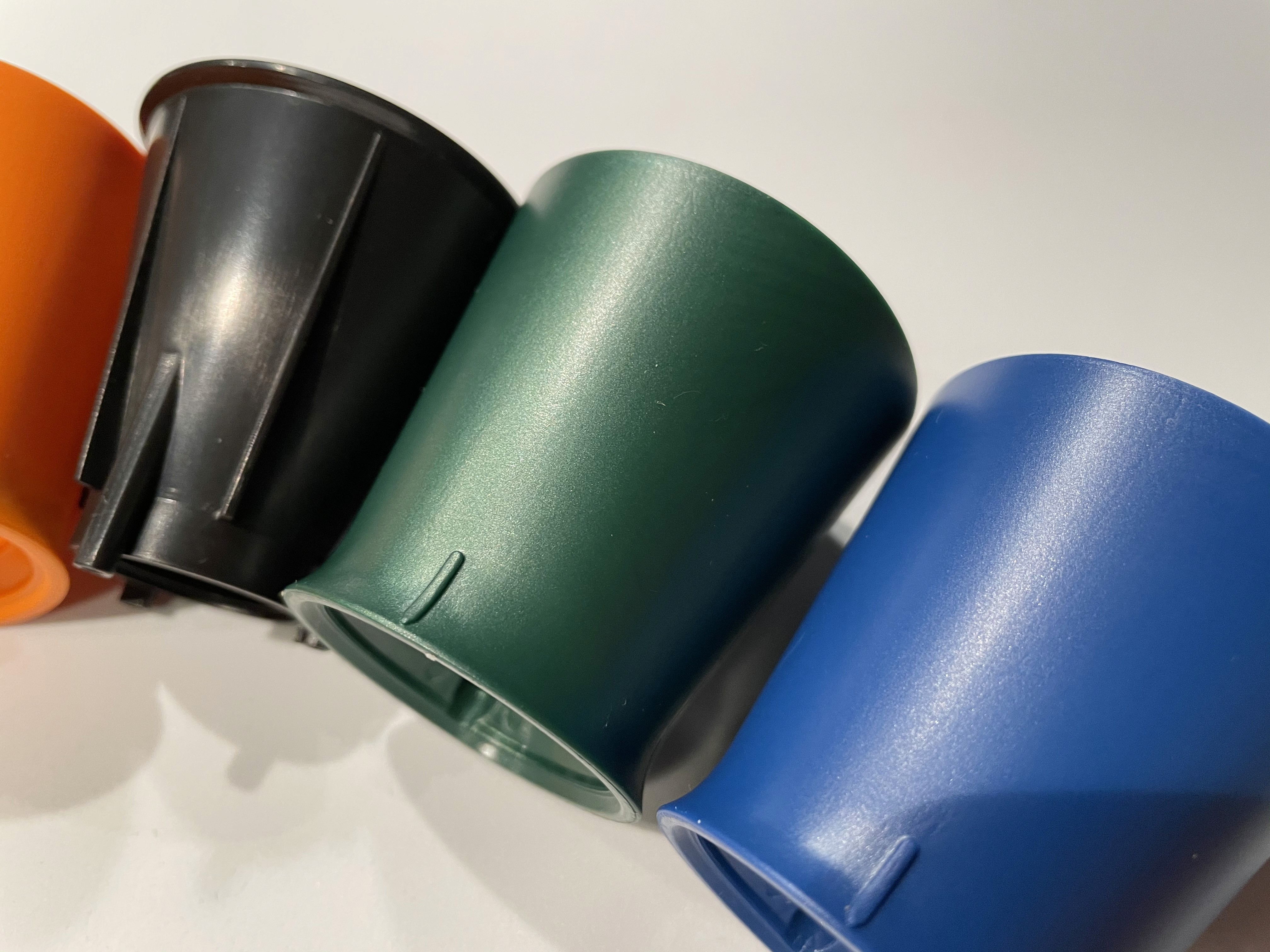
Picking a Pantone or RAL color on paper is one thing, getting that exact same hue on a real, injection moulded part is another story entirely. Plastic isn’t paper and color perception changes with thickness, gloss level, texture, and even lighting. That dreamy soft mint green that was great on paper might look like expired toothpaste once it's on a shiny ABS part. We always use a masterbatch (a custom color pigment mixed into the base material) but even then, trial-and-error is part of the process. Off Tool samples are crucial for checking color accuracy in real life. Need a perfect brand match? We’ll help you work with suppliers to fine-tune the formula, tweak the surface texture, and run those all-important test shots until your product looks exactly like it should and not like it just got back from a week in the sun.
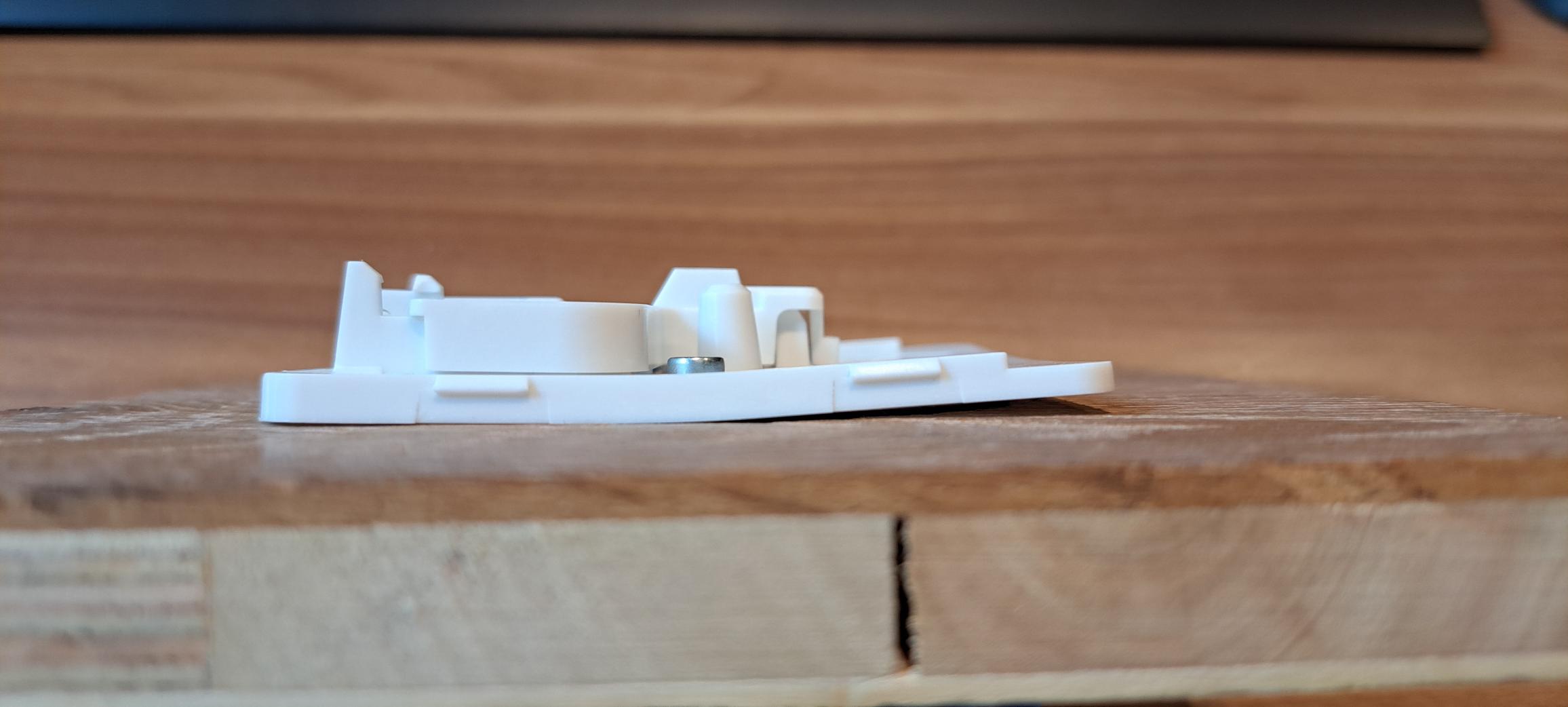
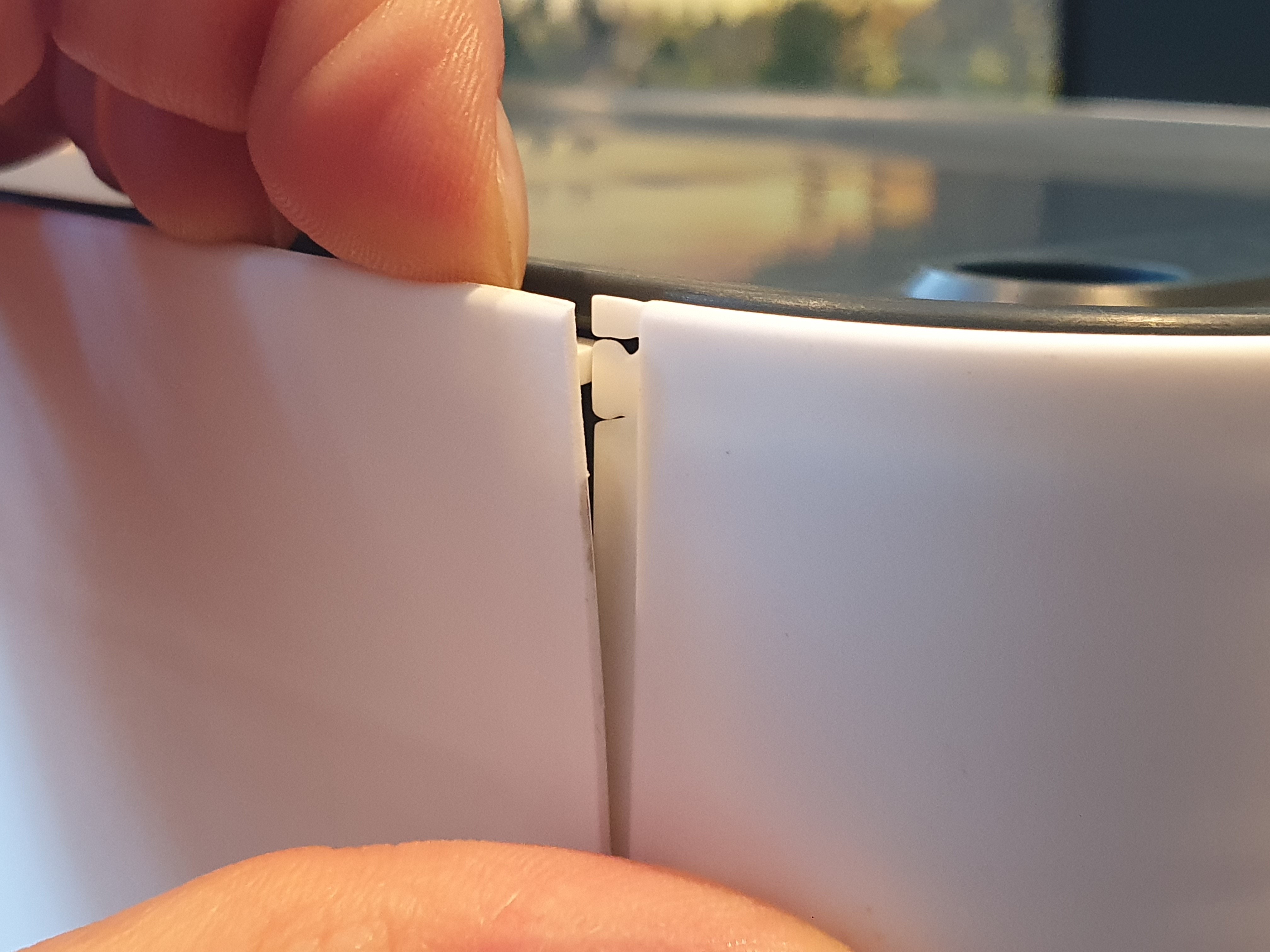
Here’s the trade-off many don’t expect: decisions that improve how a part looks can have a massive impact on how much the mould costs. Want that split line hidden on the underside instead of across the top? That may require a more complex tool with moving parts (sliders, lifters or collapsible cores). Want no visible ejector marks? Then we might need a larger mould or unconventional ejection setups. Want ultra-fine surface textures or a mirror polish? Get ready for polishing grades that cost more than your prototype run. On the flip side, making clever compromises on part aesthetics can sometimes reduce tooling complexity (and price) by thousands. The art lies in balancing beauty, function and budget without losing the soul of your product and brand.
At ManGo Product Design, we don’t just make products that look great, we engineer them to work in the real world ith partners such as Production Heroes , right down to how the plastic flows. We believe good design doesn’t fight the mould, it works with it. From split lines and sink marks to ejector pin placement and shrink prediction, we help you make smarter decisions before the tool is ever made. Because no one wants to “discover” an ugly weld line after 10.000 parts are produced. As moulds don’t forgive or forget design flaws, but we can help you avoid them altogether.
©2026 ManGo Product Design | Privacy Policy | Terms & conditions | Cookies